Patients & Community Research Participation
The Brooks Clinical Research Center offers a variety of studies and community events to support patients' and community members' interest in helping advance the science of physical rehabilitation medicine.
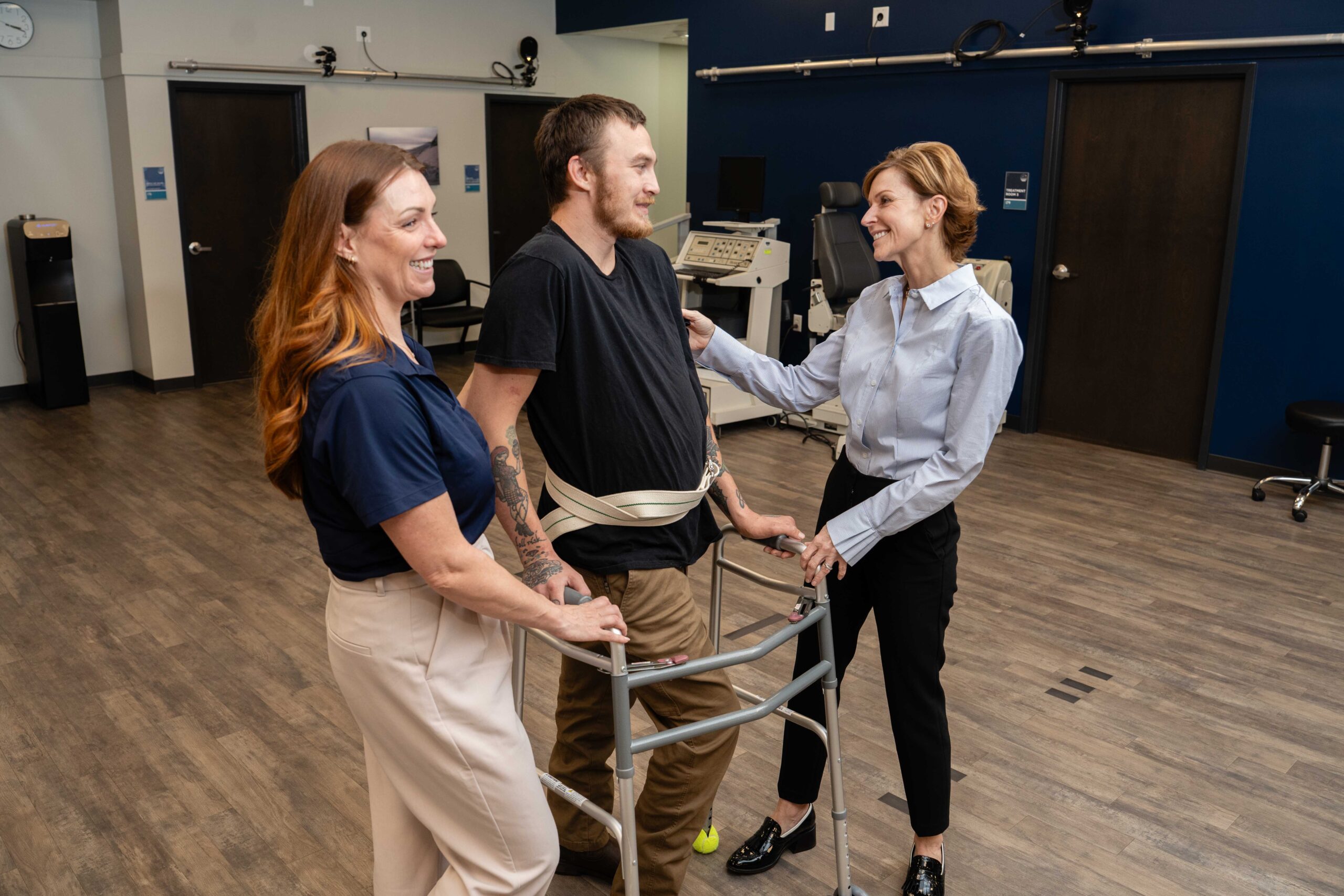
Current research studies at Brooks
Review the latest research studies being conducted at Brooks and sign up to participate.
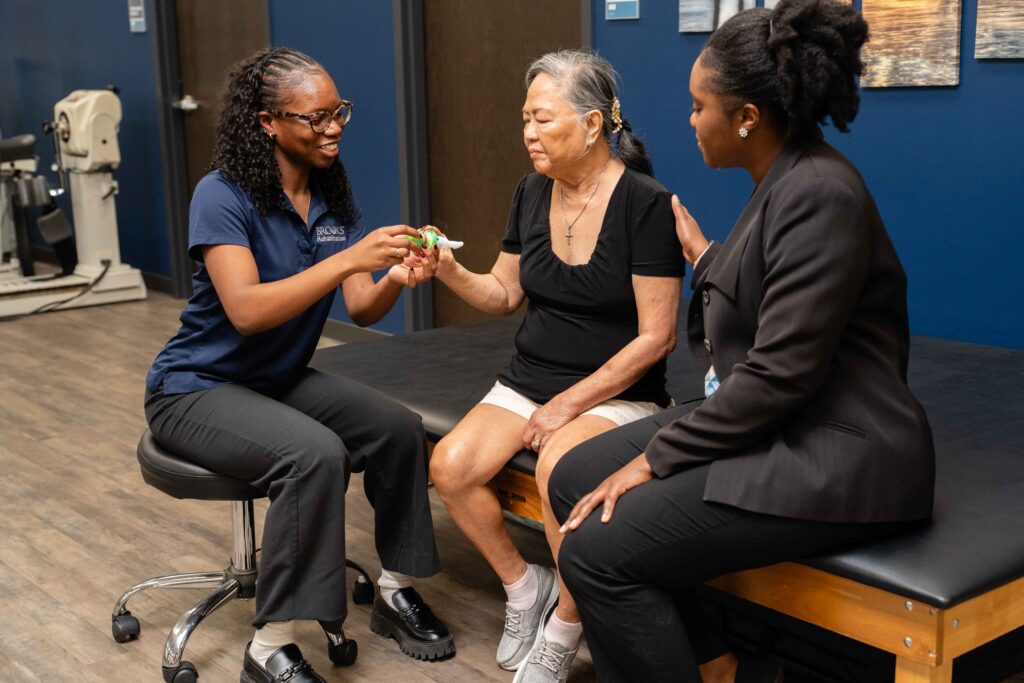
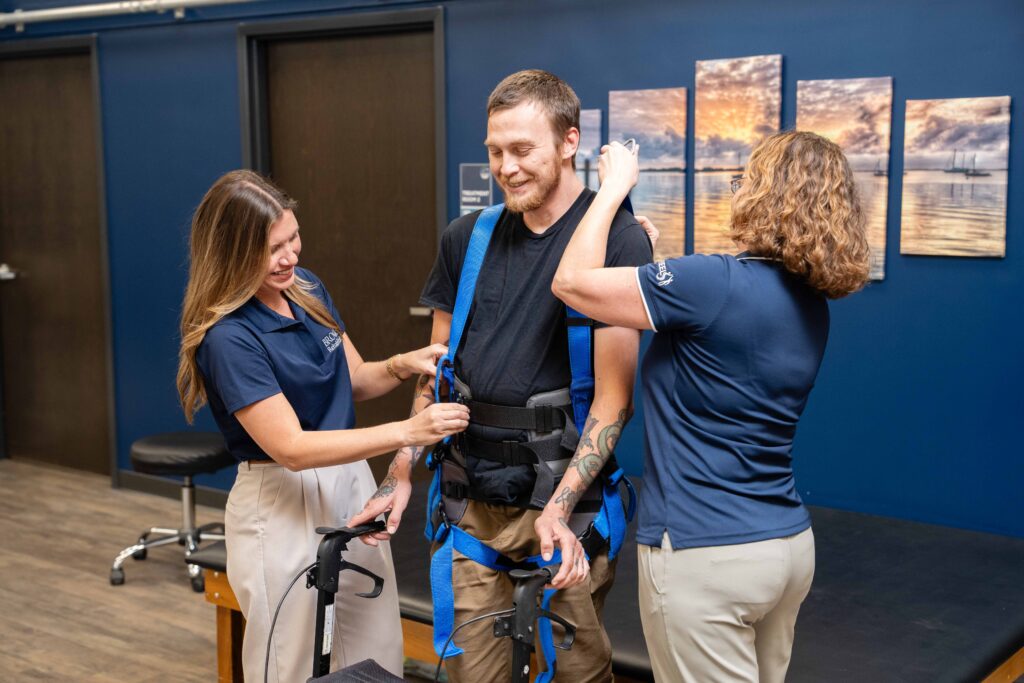

Community outreach programs
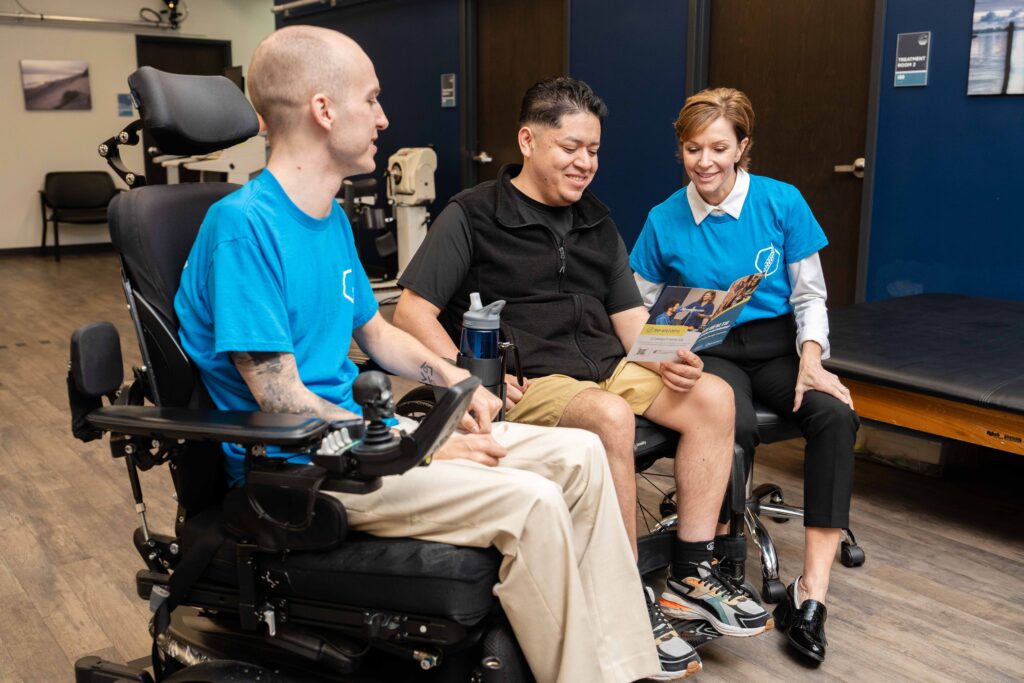
SHARP
The SCI Health Research Partnership (SHARP) is a community engagement and advocacy group that aims to improve the quality and impact of rehabilitation research by uniting researchers, clinicians and people with spinal cord injury.
THRIVE
The Traumatic Brain Injury Health Research Innovation and Education Partnership aims to address gaps in TBI care by bringing together patients, caregivers, clinicians and researchers.
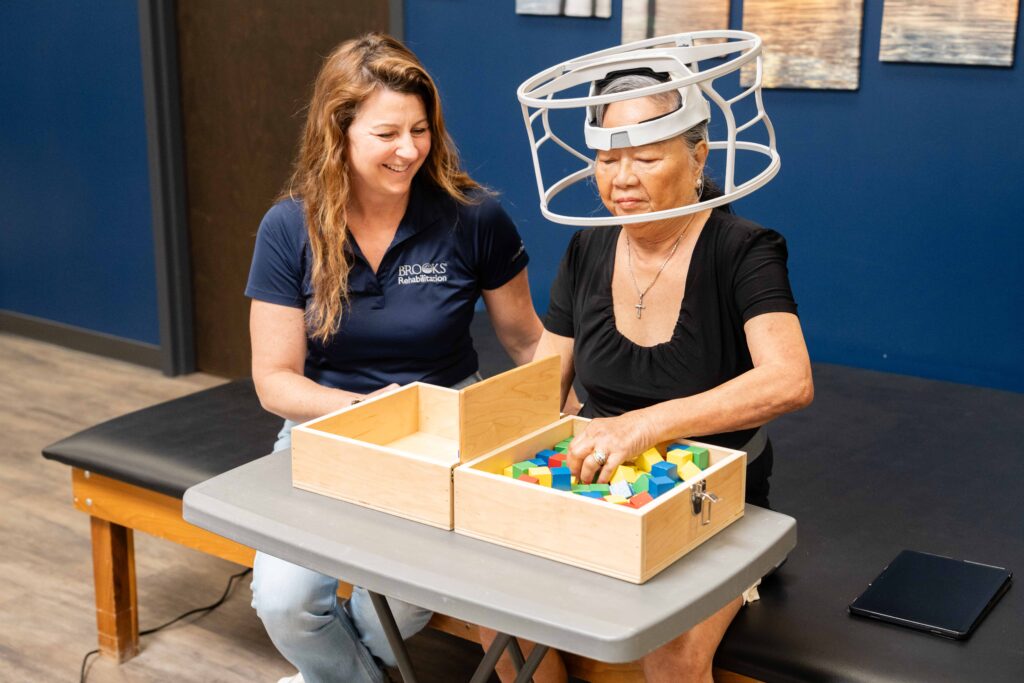
Research registry
Join our research registry if you are interested in participating in current and/or future studies being conducted at Brooks Rehabilitation.
Have questions? Contact our research center at [email protected] or (904) 758-9952.

Meet our research team
Interested in learning more about the investigators who conduct our studies and research at Brooks? Click below to meet our team of highly skilled researchers and clinicians
Frequently asked questions
Choosing to participate in a research study is an important decision. Every study has unique potential benefits and risks of participation. Explore these frequently asked questions and answers about clinical research at Brooks to help inform your decision.
Clinical rehabilitation research is designed to answer questions about the impacts of disease or injury on daily functions, and examines the effectiveness of various rehabilitation interventions. Research often aims to test or develop new treatment methods or determine how they work in order to inform future research. Clinical research relies on the participation of volunteers such as individuals with stroke, spinal cord injury, pain and mobility disorders, as well as those without a health condition to serve as a comparison group (i.e., controls).
- Intervention: Intervention studies often test a novel intervention or a new use of a conventional intervention. For example, a research study might test how training a person to walk backwards over several exercise sessions could affect their overall walking function, balance, and fall-risk after stroke. Another study might combine walking training on a treadmill with mild stimulation in order to improve mobility or decrease pain after spinal cord injury. Involvement in an intervention study can range from weeks to months, or even years, depending on the study.
- Assessment: Assessment studies often test new measures or aim to improve existing measures that relate to rehabilitation outcomes. Participation in assessment studies typically involves a single session or a few sessions where a participant performs a series of tasks under observation. An assessment can also be part of clinical care where patient outcomes are compiled and used as research data.
- Healthy Controls: Individuals without illness, injury, or disability, otherwise known as “Healthy Controls” in research, may be involved in a study in order to compare outcomes to other groups with a specific disorder or impairment. Data from healthy controls helps researchers and clinicians understand how certain conditions such as back pain, stroke, or spinal cord injury, can cause changes in function like walking, breathing, or using your trunk muscles.
- Delivery of Care: Research regarding delivery of care involves examination of how clinical practice is delivered and the impact it has on patients. This type of research also includes testing and implementing innovative delivery approaches in order to improve care and patient outcomes.
- Improving walking recovery and breathing function after stroke
- Improving walking recovery and breathing function after spinal cord injury
- Maintaining physical health and improving quality of life in the presence of disability
- Factors influencing independent mobility in the community post-stroke
- Delivery of care for musculoskeletal pain conditions
- Rehabilitative care for individuals with pelvic and urogynecologic disorders
- Rehabilitative care for individuals with cancer
Research studies generate new knowledge, advance, and improve the science, technology, and care for individuals receiving rehabilitation services now and in the future.
Clinical rehabilitation research answers different types of questions in order to further understand or improve rehabilitation. A research study involves a detailed protocol that is designed to answer the specific question being addressed by the study. For instance, is intervention ‘A’ better than intervention ‘B’? Therefore a research study must involve adherence to the protocol and only activities covered in the protocol (i.e., interventions A and B) are to be performed. The protocol specifies the types of individuals who are eligible to participate in the study, the schedule of tests and/or interventions, as well as the potential risks and benefits.
Clinical care (i.e., physical therapy, occupational therapy, speech therapy, etc.) may not involve a specific protocol, but typically involves many unique interventions or approaches to target a patient’s specific problem or goal. Clinical care is focused on the unique needs of each patient and their plan of care.
The number one priority for all researchers at Brooks Rehabilitation is the safety of our study participants. All researchers are obligated to monitor and ensure that every participant is safe and protected against any abuse, manipulation, or coercion. These safeguards are an essential part of research.
Researchers are required to follow strict regulatory research requirements and guidelines that have been established to ensure your safety and rights, such as Good Clinical Practice (GCP). GCP is an international ethical and scientific quality standard for designing and conducting clinical trials. In addition, there are many entities that provide oversight of clinical research studies. Some of these include:
- Regulatory agencies or health authorities such as the U.S. Food and Drug Administration (FDA). The FDA handles reviewing clinical trials before they begin.
- Institutional Review Boards (IRBs) or Independent Ethics Committees (IECs). An IRB or IEC is an independent group that includes scientists, doctors, and lay people. This group reviews a research study’s design and any changes that are made to it, as well as any information provided to participants to ensure that participants’ rights, safety, and well-being are protected. IRBs and IECs have the authority to approve, ask for changes, or disapprove clinical research.
Additionally, participants and their protected health information will remain confidential and secure for all study-related activities. Photos and videos of participants may only be used for educational and/or marketing purposes if a voluntary authorization form is signed and dated by a participant or their legal representative.
Learn more about the ethical conduct of research:
- Belmont Report – https://www.hhs.gov/ohrp/regulations-and-policy/belmont-report/index.html
- Declaration of Helsinki – https://www.wma.net/policies-post/wma-declaration-of-helsinki-ethical-principles-for-medical-research-involving-human-subjects/
- The Common Rule – https://www.hhs.gov/ohrp/regulations-and-policy/regulations/45-cfr-46/index.html
The informed consent process is a fundamental tool to help you understand how your rights, safety, and well-being will be upheld during the clinical trial. During informed consent, someone from the research team will provide you with details about the study you are considering. This will include potential benefits and risks of the study as well as its purpose, duration, and specific procedures. This information will help you decide whether you would like to take part in the study.
Before you agree to participate, a member of the study team will walk you through the informed consent document and answer any questions you may have. You can take as much time as you need to review it. Should you decide to participate, you will be asked to sign the document and a copy will be provided to you.
During your participation, the study team will promptly inform you if new information becomes known that may alter your decision about remaining in the study. You may stop participating in the study at any time for any reason. Your decision will not influence your regular medical care or any benefits to which you are entitled.
Study participation may have unique benefits for each individual. Your participation in research may benefit you directly or indirectly as well as benefit others with related conditions in the future. Potential benefits may include:
- Experiencing or testing out new interventions that are not available in the clinic
- Participation in health and functional assessments at regular or frequent intervals
- Participation in rehabilitation interventions and/or assessments typically at no cost
- Contributing to science and helping researchers learn in order to develop better treatment methods in the future
- Receiving compensation for your time and study involvement
- Engagement with researchers, clinicians, and other study participants
- Learning about or getting connected with other programs and resources at Brooks
Study participation involves potential risks. The research regulatory process helps ensure that risks are minimized as much as possible and all risks are explained and communicated to you. Risks can include:
- Involvement in a treatment that is not effective or beneficial to you
- Inconvenience of study activities (i.e., time, travel, etc)
- Sharing of personal health information with study team members
- Learning about or realization of research outcomes that can be disappointing or unexpected
Participation in research is a choice and involves potential benefits and risks. Researchers at Brooks consider safety to be the highest priority and research regulations ensure careful review and oversight of all research activities. All potential risks are minimized as much as possible and risks are explained and discussed with each potential participant. Physicians, investigators, and safety monitors carefully review study activities and evaluate safety. Some studies, particularly those with higher risks, have safety monitoring boards that provide an additional layer of guidance and oversight.
is also helpful to ask questions to ensure your unique concerns are addressed. It might be helpful to ask the following:
- What is the purpose of this study?
- Why might this study be right for me?
- What tests or treatments are involved?
- What are the benefits, risks, and/or inconveniences?
- Will I be paid for study participation and/or will my costs such as transportation be covered by the study?
- What is the expected time commitment such as hours per week or number of sessions per week or month?
- What should I expect from the study team and what are they expecting from me?
- Will my health information be protected or shared?
- How will the study potentially benefit others in the future?
If you or your family/caregivers have any additional questions about the study, write them down and ask a research study member.
Yes. A research volunteer may decide to end their participation in a research study at any time. When withdrawing from the trial, the volunteer should alert the research team and describe the reasons for leaving the study. Leaving a research study does not affect the clinical care or treatment you receive at Brooks Rehabilitation.
Go Beyond the Research
Latest research news and clinical insights from Brooks Rehabilitation
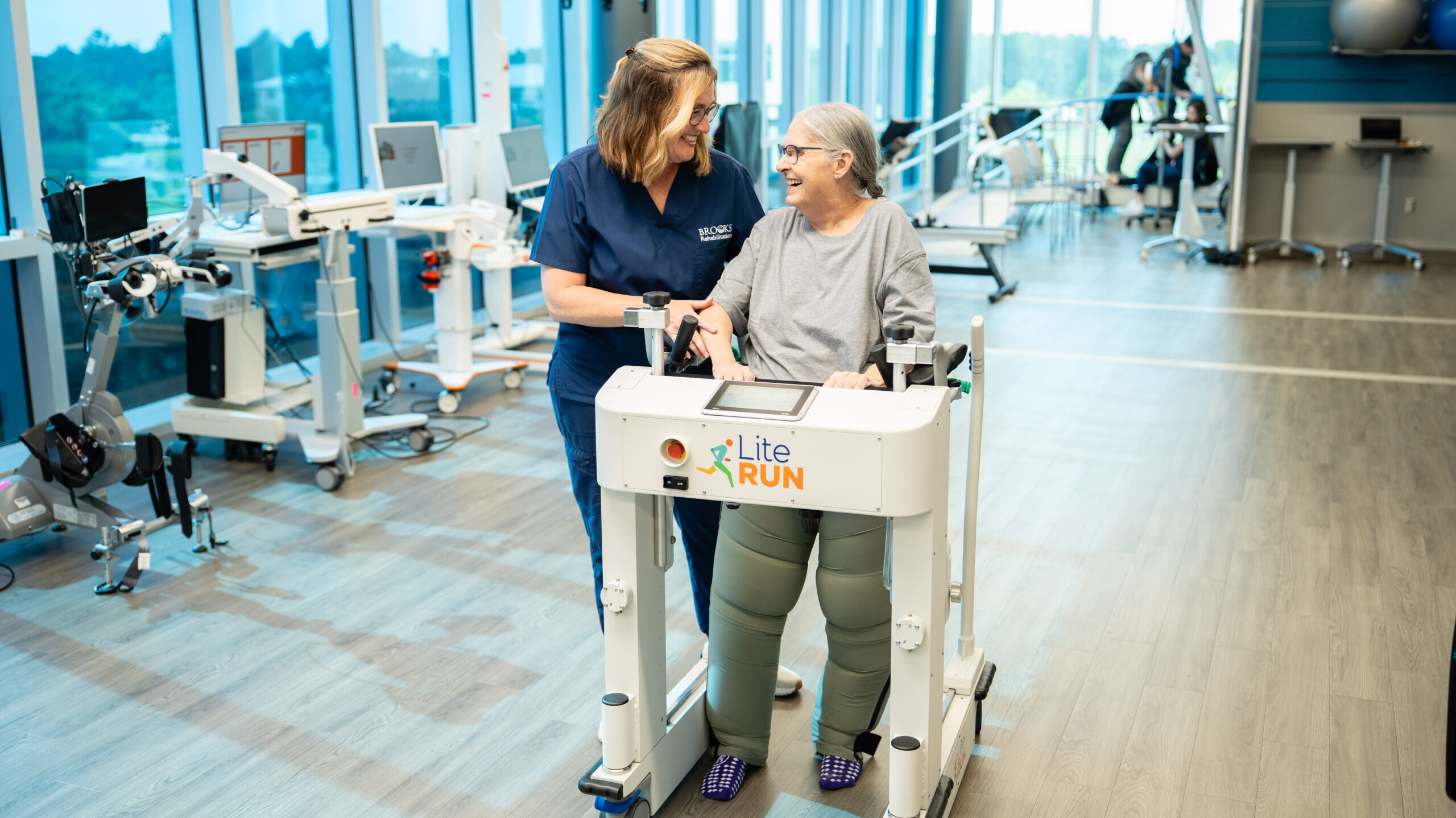
Brooks Rehabilitation Adds Lite Run Inc. Technology to Improve Patient Mobility
Brooks Rehabilitation, a top-ranked physical rehabilitation provider, announced the addition of FDA-registered anti-gravity mobilization technology, Lite Run, Inc. Brooks is the...