Cancer Rehabilitation Program
Providing specialized, interdisciplinary care for people diagnosed with cancer to help regain their strength, mobility and independence before, during and after cancer treatment.
We understand the challenges individuals face when navigating a cancer diagnosis for themselves or a loved one. At Brooks, we are here with you every step of the way with solutions to support your entire recovery journey.

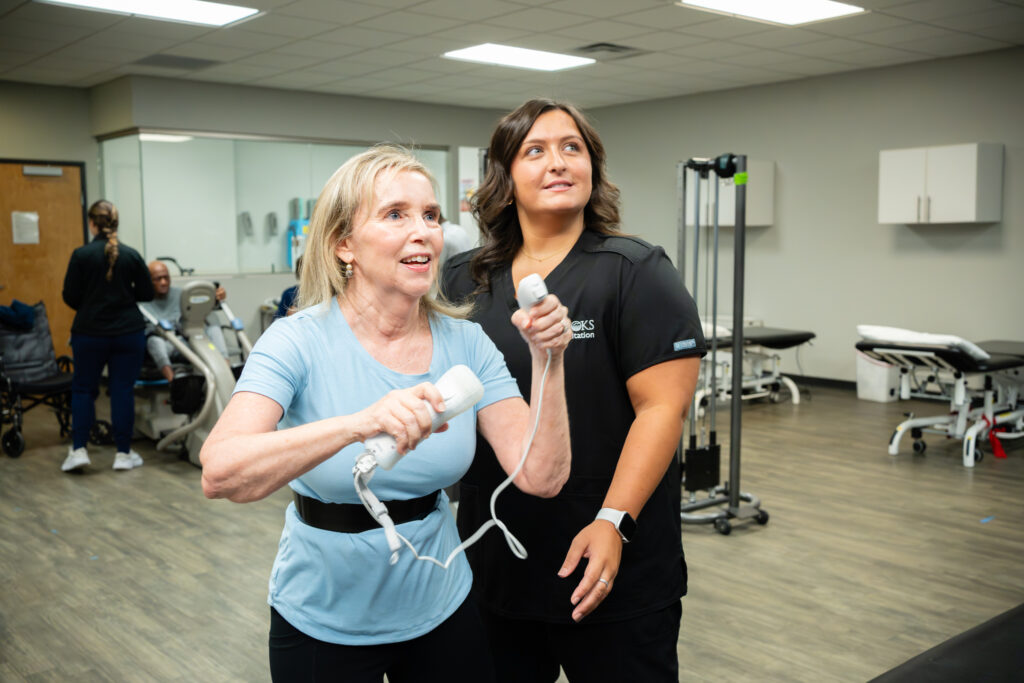
Why cancer rehabilitation
A person’s quality of life can be greatly affected by a cancer diagnosis and treatment interventions. Strength, mobility and function are generally impacted at any time during the diagnosis. The team at Brooks specializes in helping reduce restrictions in movement, increasing muscle strength and endurance – all tailored to your tolerance level.
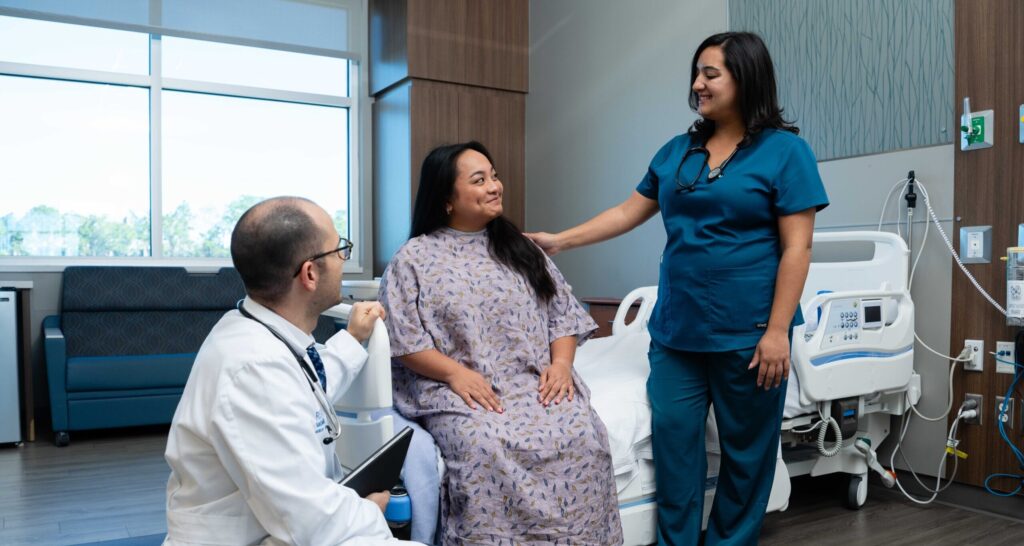
Why choose Brooks
With a long history of providing physical rehabilitation to the most medically complex patients in the nation, Brooks is often a top choice for oncology care teams, patients and their families to help improve an individual’s independence and quality of life.
Brooks is one of the only comprehensive physical rehabilitation systems of care in Florida, which means not only do we support your physical recovery from inpatient rehabilitation to home, but the emotional and social recovery needed to integrate back into daily life and the activities that are important to you.
Cancer symptoms we help manage


Patients in our program can expect physical rehabilitation support to help manage or improve cancer-related symptoms across all our care settings, including but not limited to:
- Pain
- Joint stiffness or reduced range of motion
- Weakness, fatigue and reduced endurance
- Poor coordination and balance
- Improving ability to live independently in the community
- Limitations with activities such as bathing, dressing or cooking
- Memory loss or attention-span decline
- Difficulty swallowing or speaking
- Bowel and bladder incontinence
- Skin and tissue changes
- Sexual and pelvic dysfunctions
- Nutrition support
- Low vision
Specialized services and support for cancer
Brooks’ expertise in cancer rehabilitation and care goes Beyond inpatient recovery. Our team of experts are available to support patients’ recovery journey throughout our network of inpatient rehabilitation hospitals, outpatient therapy clinics, home health care clinicians and cancer navigator services.
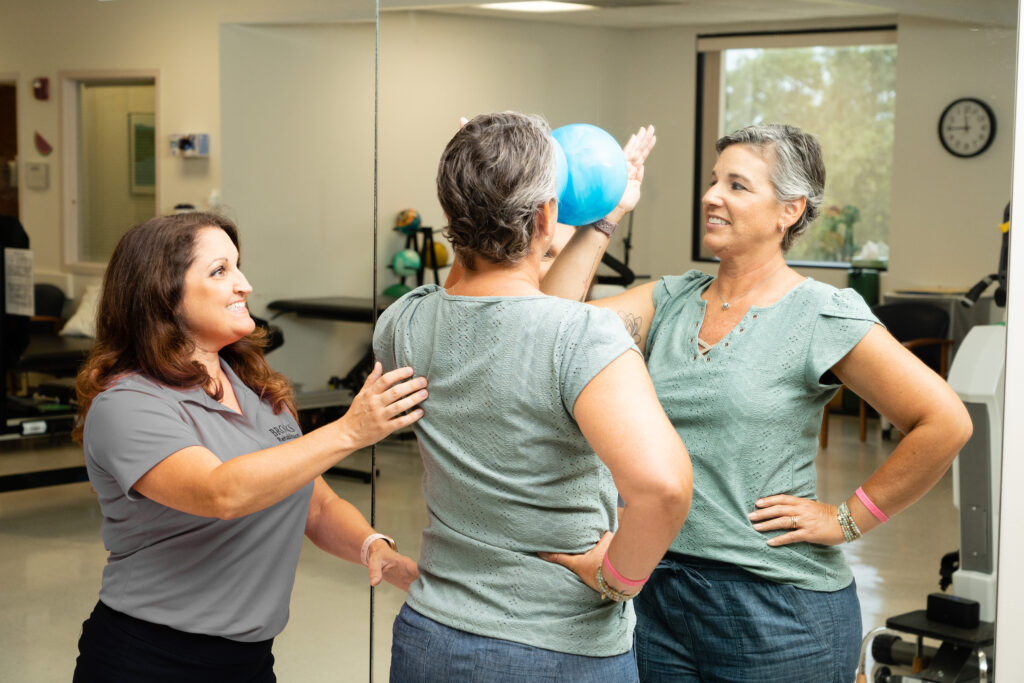
Prerehabilitation with outpatient therapy
Before undergoing cancer treatment, our team of outpatient therapists work with you to help build up strength and endurance for better outcomes after.
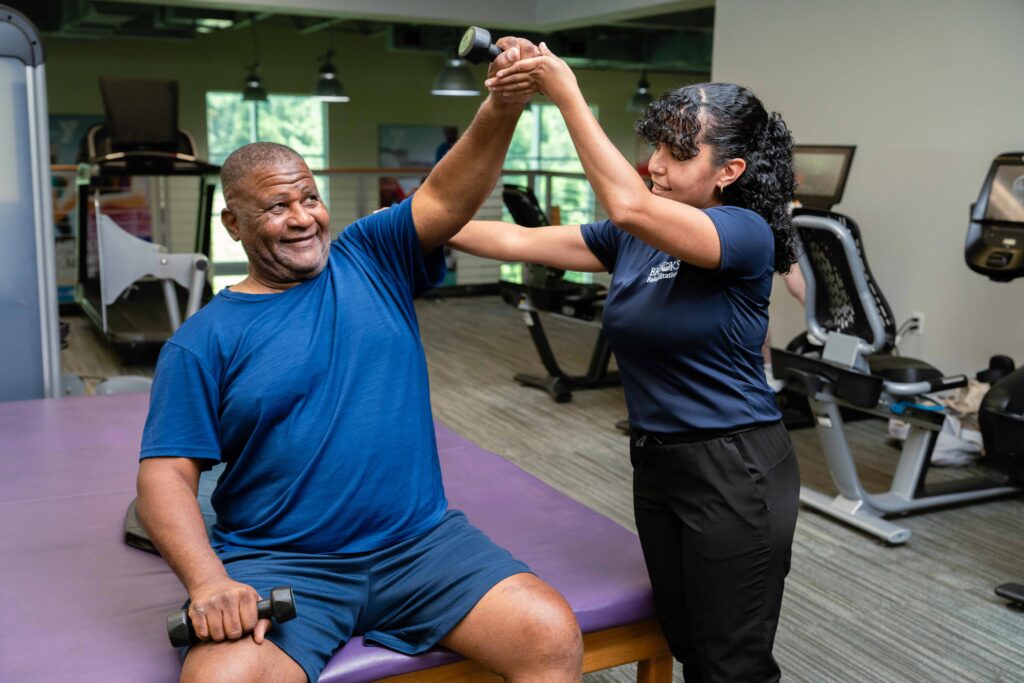
Cancer wellness program
After initial rehabilitation is complete, our expert therapists can still support you through our oncology wellness program. Continue your recovery journey at select YMCAs in Jacksonville under the guidance of our oncology therapists three days a week. A referral from your provider is needed to participate
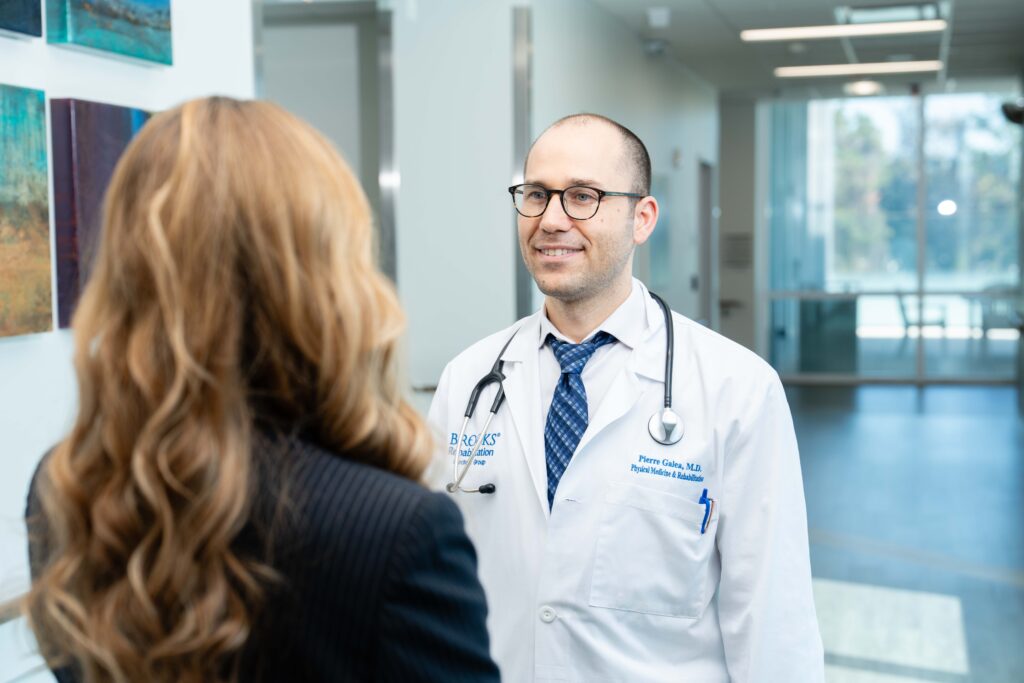
Cancer rehabilitation navigator services
Our cancer navigator is available to those who need additional help navigating care between on-site and off-site teams, and planning next steps. Speak with your oncology team to obtain a referral to Brooks for our cancer navigator services.
We provide expert care at every recovery milestone
As a comprehensive system of care, we are able to meet patients where they are with the appropriate care setting and therapy needed before, during and after cancer treatment.
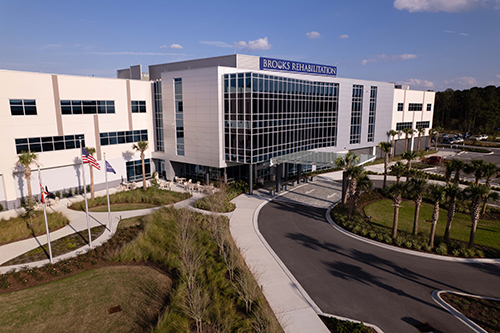
Rehabilitation Hospitals
Appropriate when the patient has complex medical care needs along with multiple intensive therapy needs and needs 24/7 monitoring.
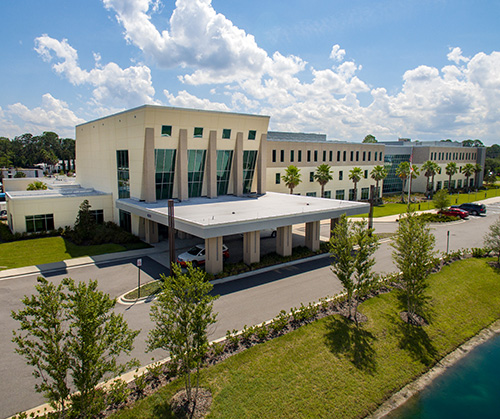
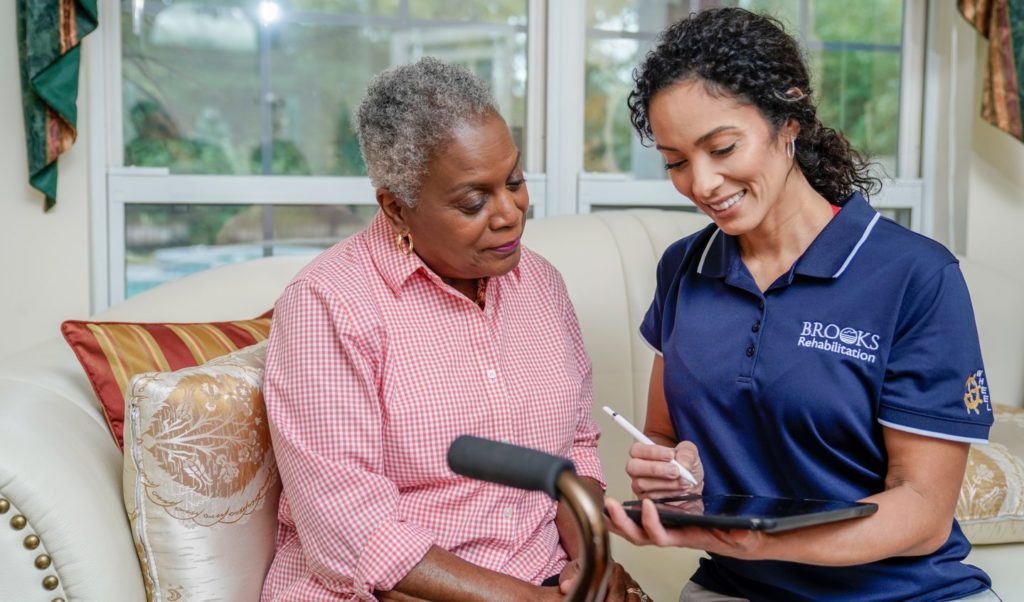
Home Health
The patient is homebound and has therapy or medical care needs but does not need 24/7 oversight from a physician.
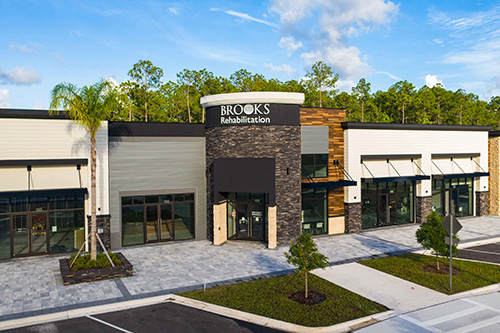
Outpatient Clinics
The patient needs expert physical, occupational or speech therapy and can leave the home.
Types of cancer rehabilitation we provide
Our expert physical medicine and rehabilitation physicians, nurses and therapists are highly knowledgeable in multiple areas of cancer rehabilitation care. They continually train on the latest practices for cancer rehabilitation to ensure each patient’s highest level of recovery.
We care for patients who have experienced:
- Breast cancer
- Multiple myeloma
- Lymphoma
- Leukemia
- Blood cancers
- Pelvic cancers
- Lung cancer
- Liver cancer
- Brain cancer/tumors
- Colon/rectal cancers
- Central nervous system cancers
In addition, our interdisciplinary care model provides us the ability to bring together our brain injury and cancer experts to provide the unique rehabilitative care people with brain tumors need to help address neuromuscular impairments and cognitive issues that may occur.
Brain tumor rehabilitation
As one of the only inpatient rehabilitation facilities in the country with a focus on brain tumor rehab, our clinicians have the experience to support the complex medical and rehab needs of people who are diagnosed with a brain tumor.
This expertise is woven through our entire system of care, whether an individual needs rehabilitation at an inpatient facility, from home health care professionals or outpatient therapy.
Medical support includes:
- Neurologic monitoring
- Pain management
- Wound care
- Glycemic control
Therapy support includes
- Neuromuscular impairments such as weakness, spasticity, paralysis or swallowing
- Improving ability to live independently in the community
- Cognitive and communication changes
What to expect during cancer rehabilitation
Patients across our system of care receive varying levels of medical and therapy services in our cancer rehabilitation program, depending on their care setting and needs.
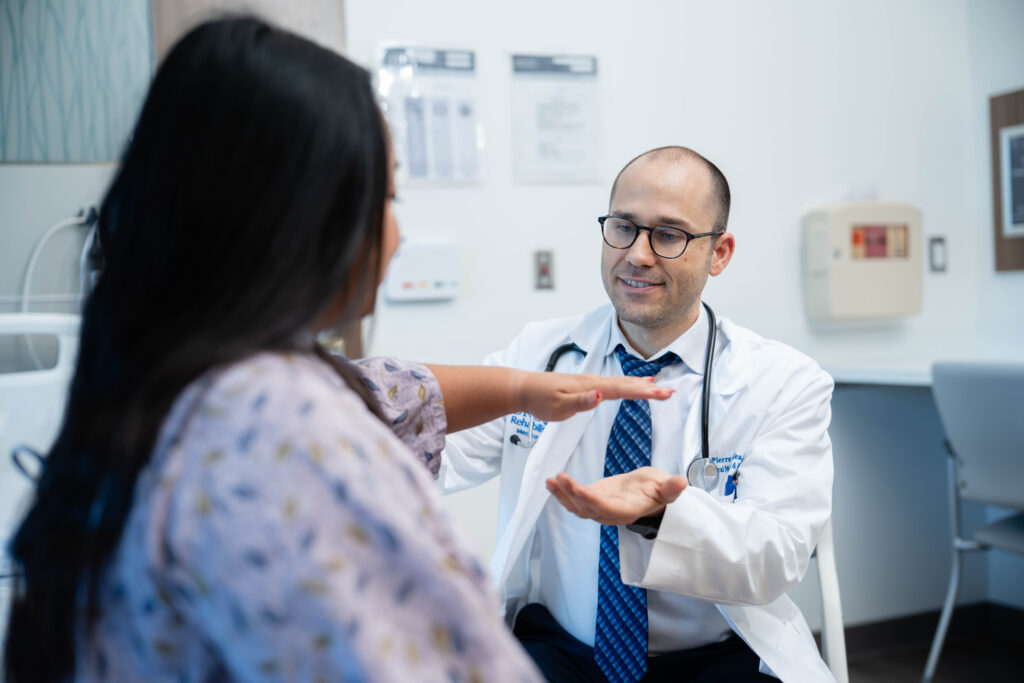
Physician Oversight
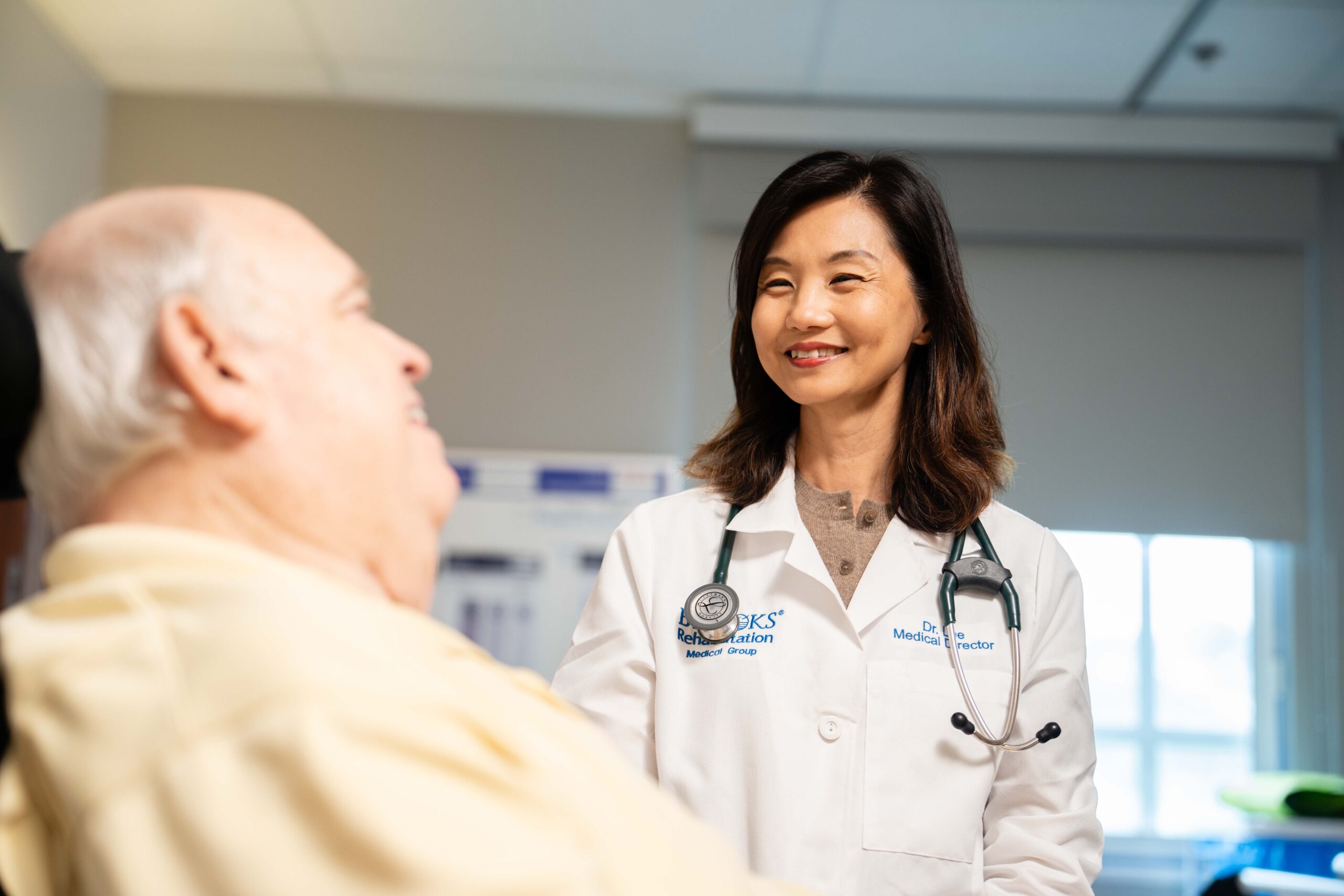
Physical medicine and rehabilitation physicians oversee the rehabilitation and medical care of cancer survivors, ensuring streamlined communication between care settings and teams when at our inpatient hospitals.
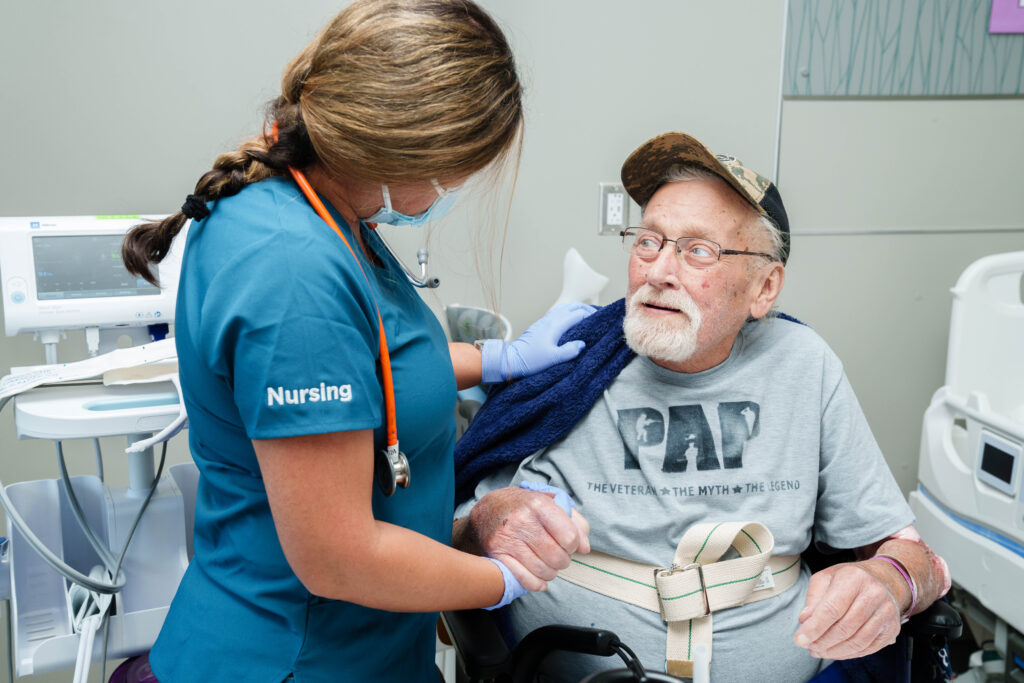
Rehab Nursing
Rehab nursing is provided at our inpatient hospitals, skilled nursing and home health care settings. Highly trained nurses monitor vital signs, manage medications, provide wound and infection care and control, family education and much more.
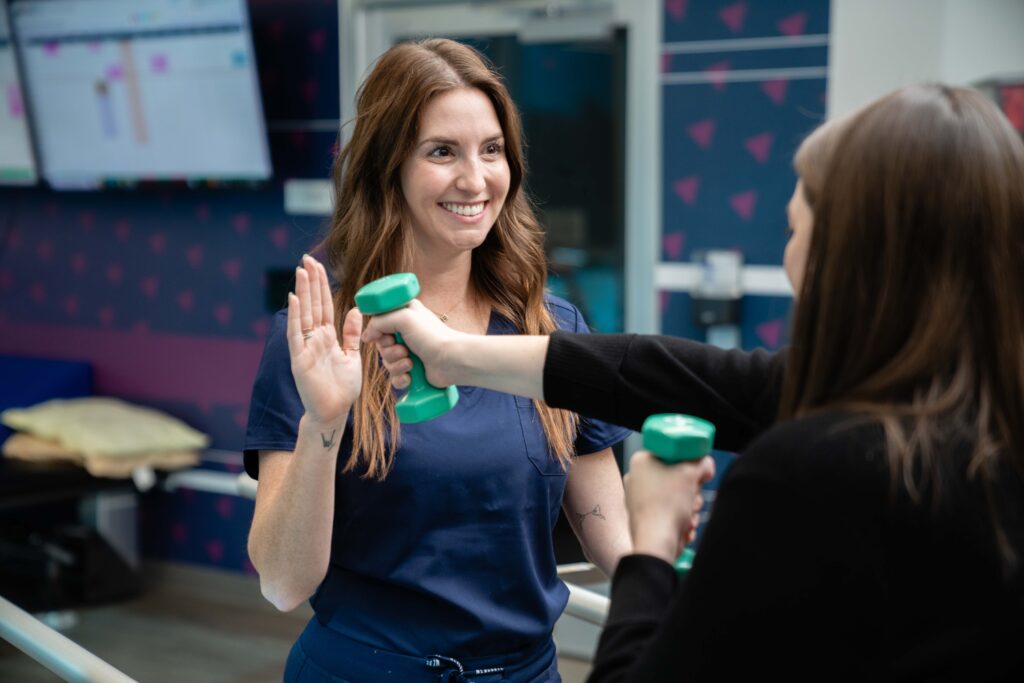
Physical Therapy
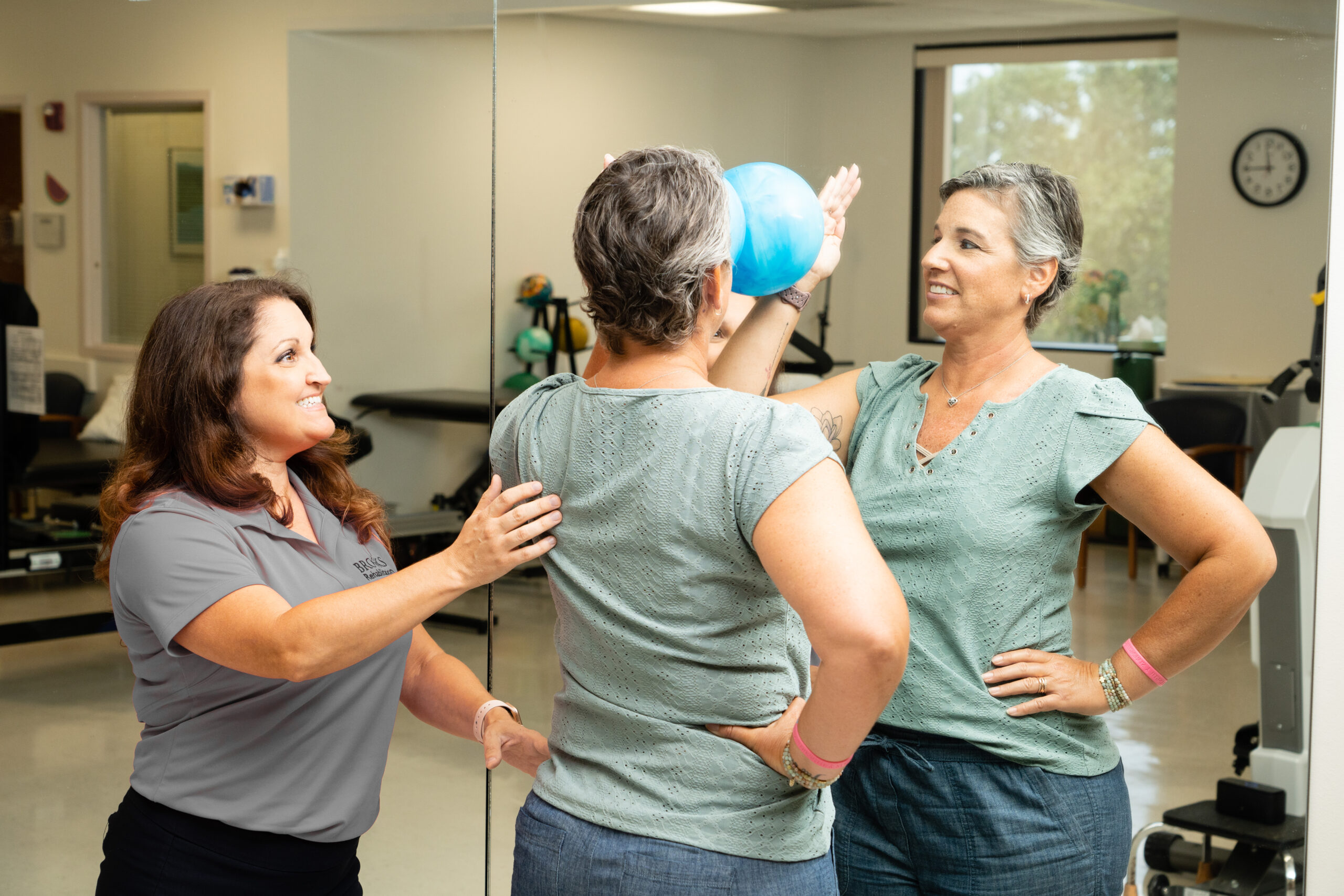
Provided at all our care settings and tailored to the patient’s ability, physical therapists work to improve endurance, strength, mobility and stamina before and after cancer treatment.
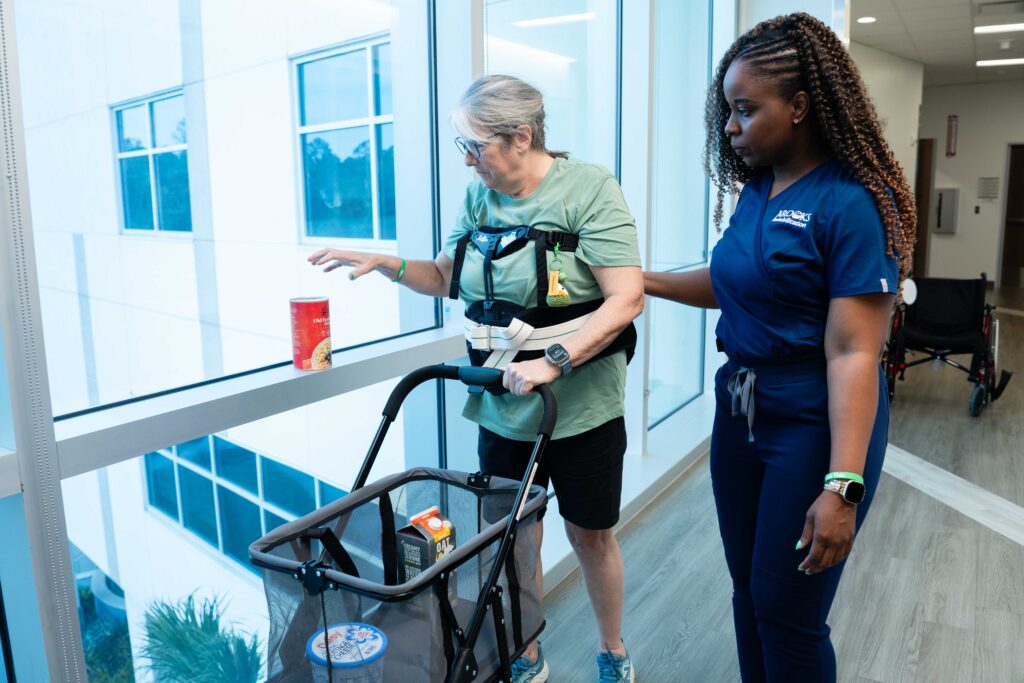
Occupational Therapy
Occupational therapists (OT) support the regaining of motor skills for activities of daily life such as dressing, eating and bathing, as well as addressing low vision issues. OT is provided across all of our care settings.
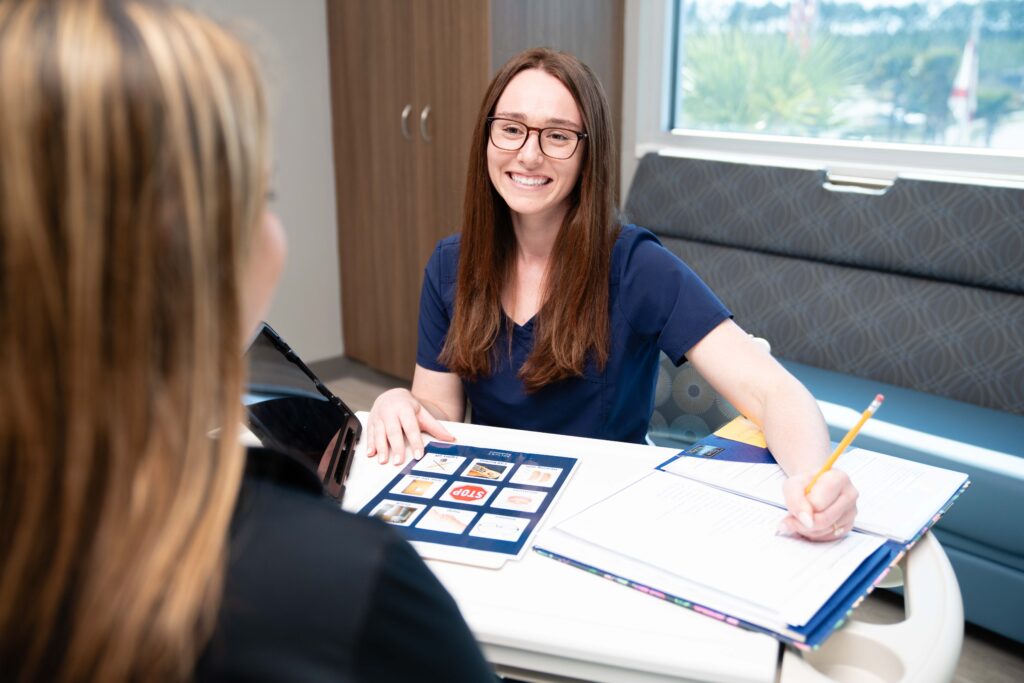
Speech Therapy
Speech therapists work to strengthen patients' swallowing and voice/communication. Our expert speech therapists are available across all care settings at Brooks.
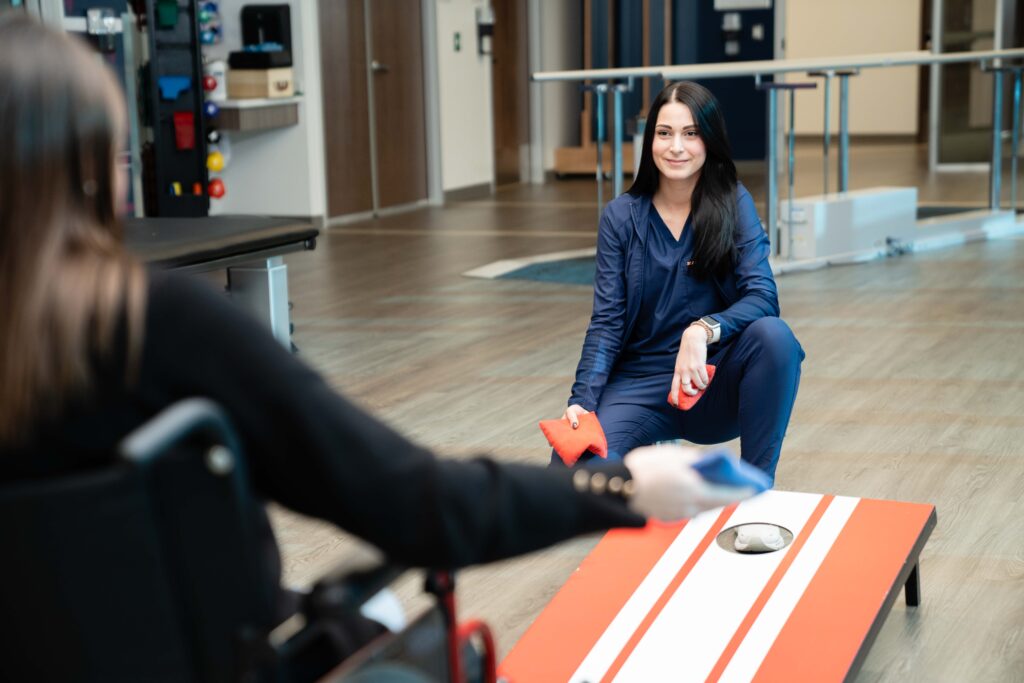
Recreational Therapy
Enhances physical, cognitive and emotional recovery through the patient’s interests and hobbies. This therapy is available at our inpatient hospitals and skilled nursing facilities.
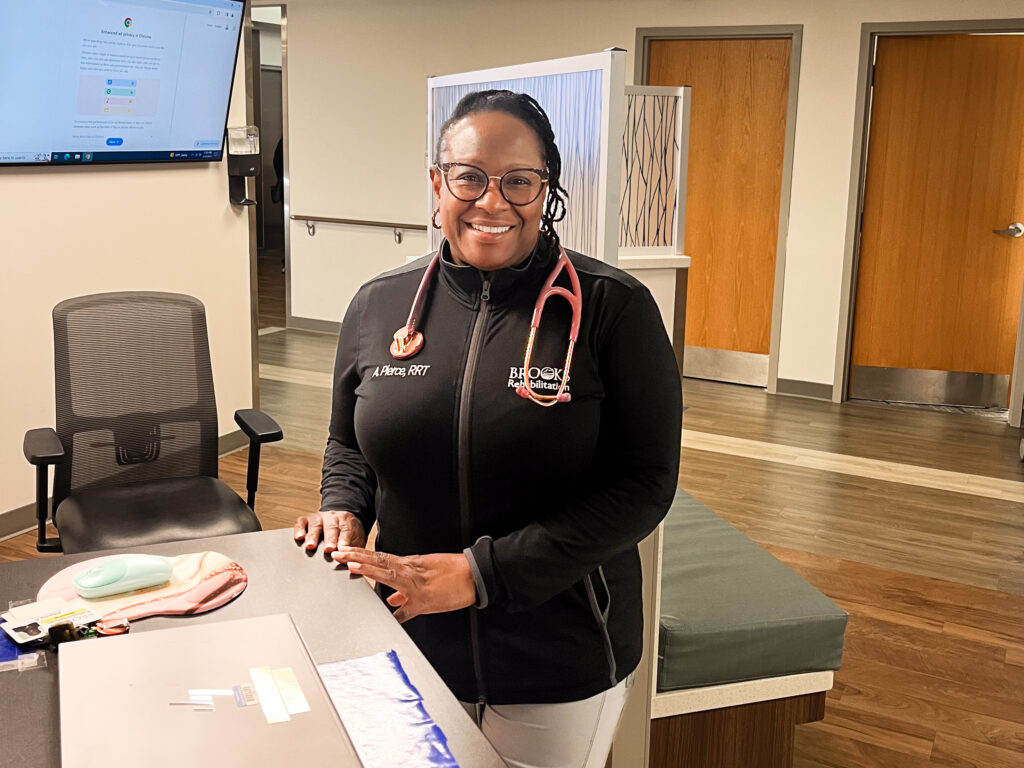
Respiratory Therapy
Respiratory therapists helps facilitate breathing recovery and prevent infection through exercises and specialized techniques. Patients receive this care at our inpatient hospitals.
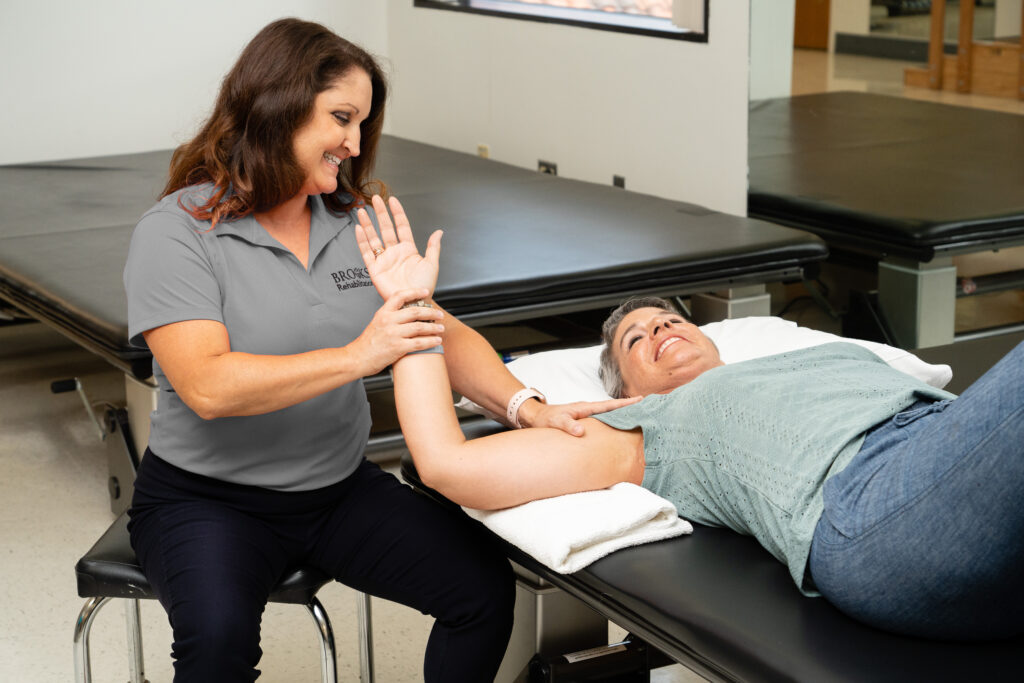
Lymphedema Therapist
Our certified lymphedema therapists provide therapy focused on reducing limb swelling and increasing function at our inpatient hospitals, home health care and outpatient clinics.
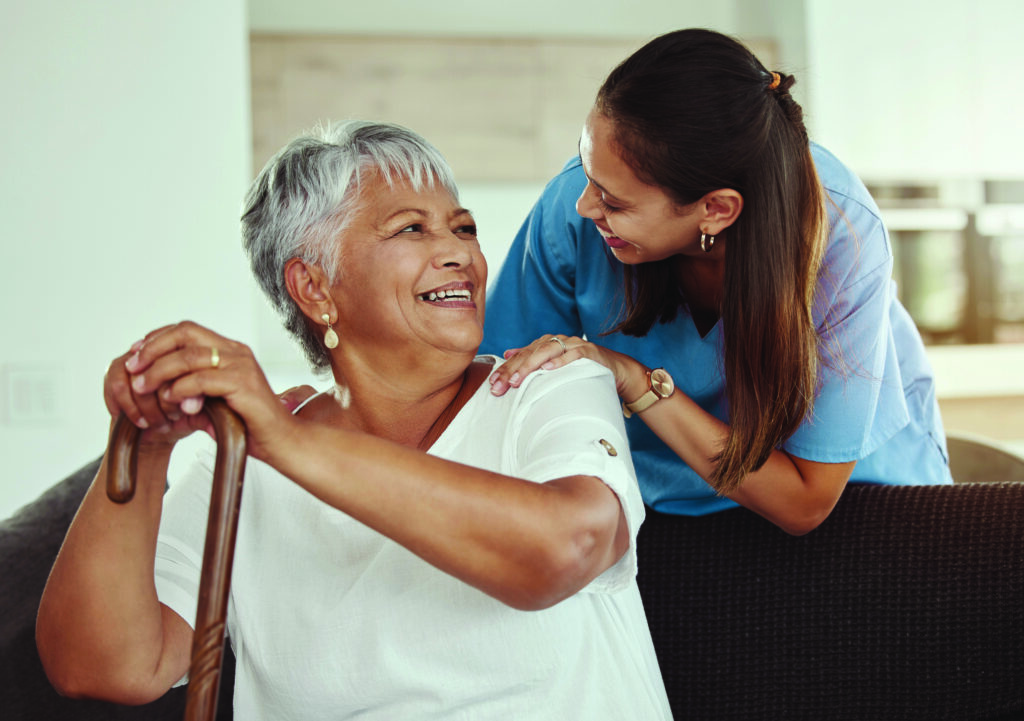
Mental Health Counselors
Mental health counselors are available at our hospitals and in an outpatient capacity to help patients and families cope with the life changes that come with a cancer diagnosis.
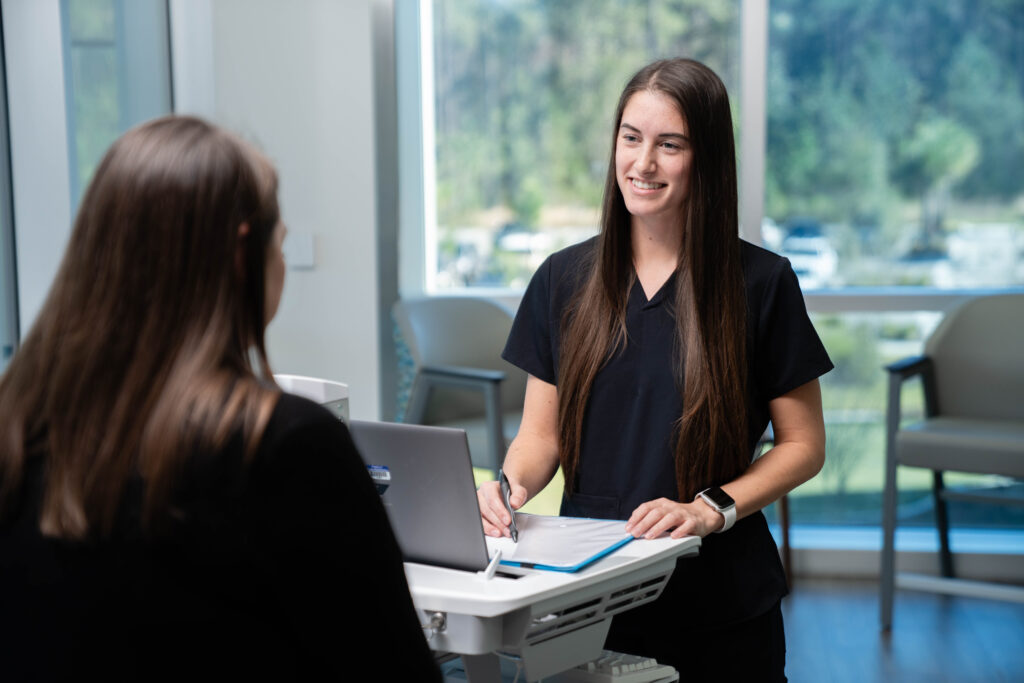
Palliative Care Referral
Our team has the ability to consult and provide a referral to palliative care professionals for patients and caregivers who need an extra layer of support.
Highly skilled medical care during recovery
Brooks’ physicians, nurses and clinicians can provide the continued medical support and care patients need after discharge from an acute hospital at our inpatient rehabilitation facilities.
The following medical care is supported at Brooks’ inpatient hospitals:
Onsite dialysis center

Lab sample collection
On-site pharmacy to provide necessary medications
Wound care

Bowel and bladder support

Caregiver training
Medication management and education

Nutrition support and education
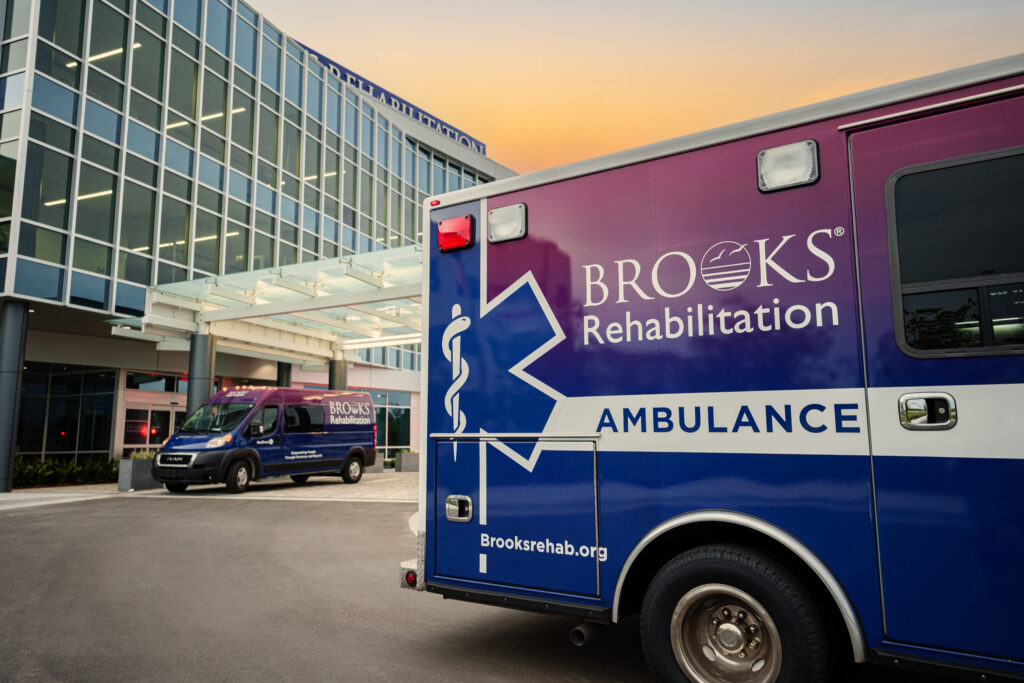
Off-site appointments and transportation
Lab testing, medication adjustments and monitoring are important during recovery. Transportation arrangements are available for patients needing to visit their oncology care team periodically during a their stay at our inpatient rehabilitation hospitals.

Inpatient rehabilitation recovery milestones for cancer rehab patients
Patients and caregivers can expect approximately two weeks of care in an inpatient rehabilitation hospital, depending on the amount of physical rehabilitation needed. Therapy is tailored to the patient’s tolerance level and goals. Recovery goals are focused around the patient’s interests and accomplishing every day tasks such as dressing, walking, eating, hygiene, hobbies and interests, as well as building endurance and muscle strength to help the patient transition home.
Continuity in care after discharge from inpatient rehabilitation
Our care team works with the patient and family as a partner in determining the appropriate next level of care for patients before leaving our inpatient hospitals. Brooks’ primary goal is to discharge patients home with their families. However, if additional care and rehabilitation is needed, we are able to provide options through our system of care.
Our cancer rehabilitation program leaders
Our programs are physician and clinician-led, ensuring comprehensive care across our system. The physicians, nurses and therapists at Brooks are the experts in their field and highly knowledgeable in the latest techniques and treatments for rehabilitation therapy and care.
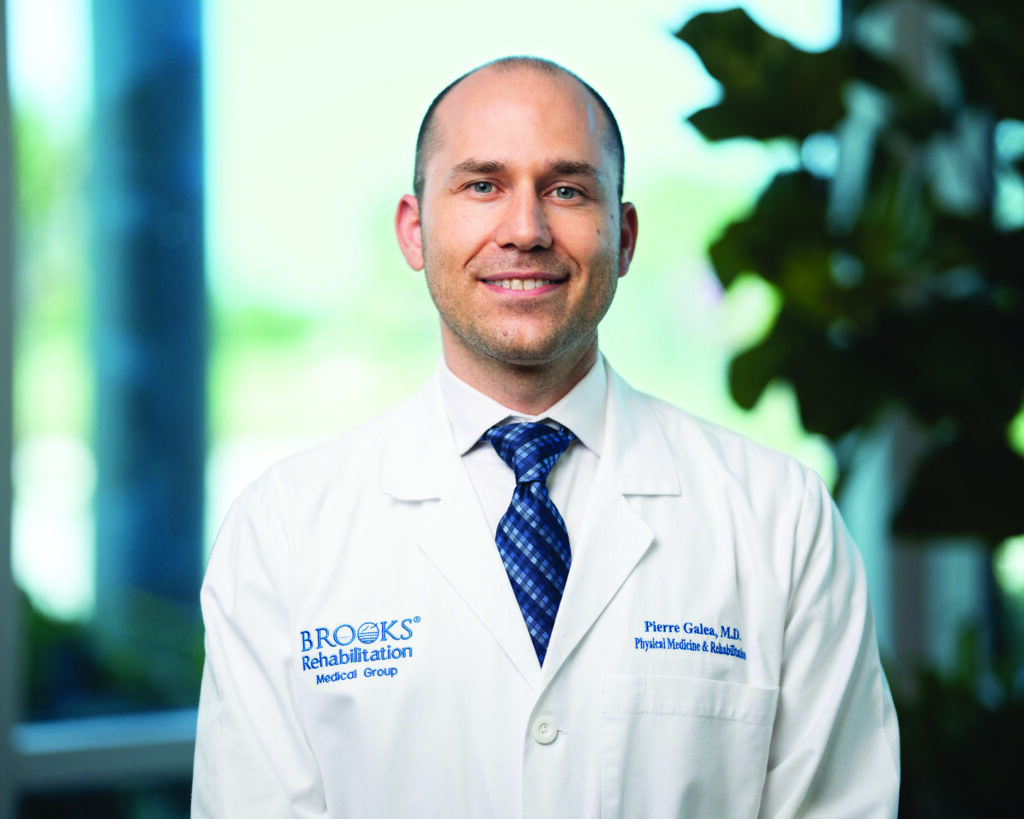
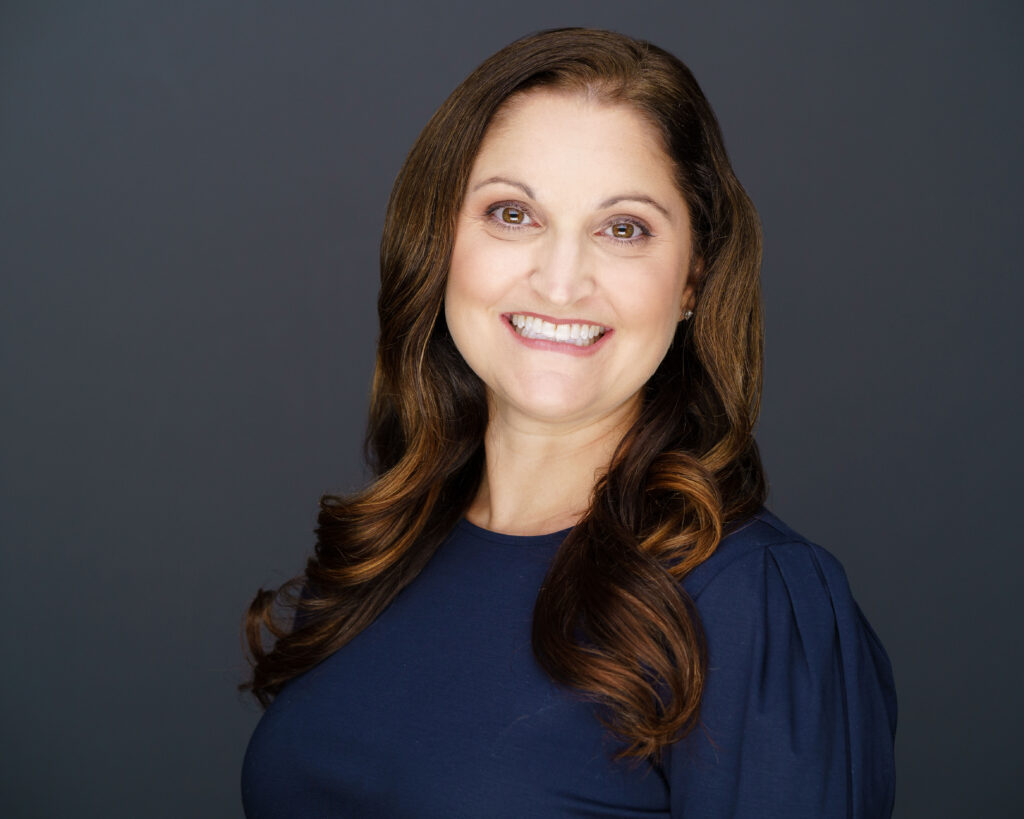
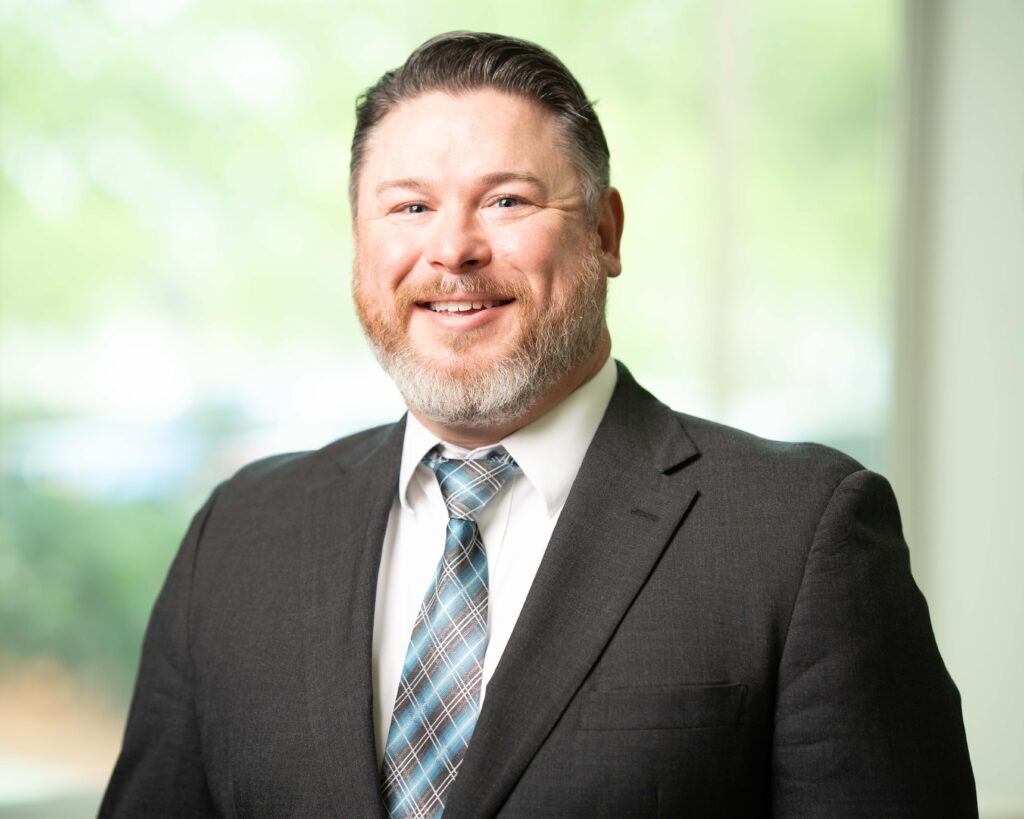
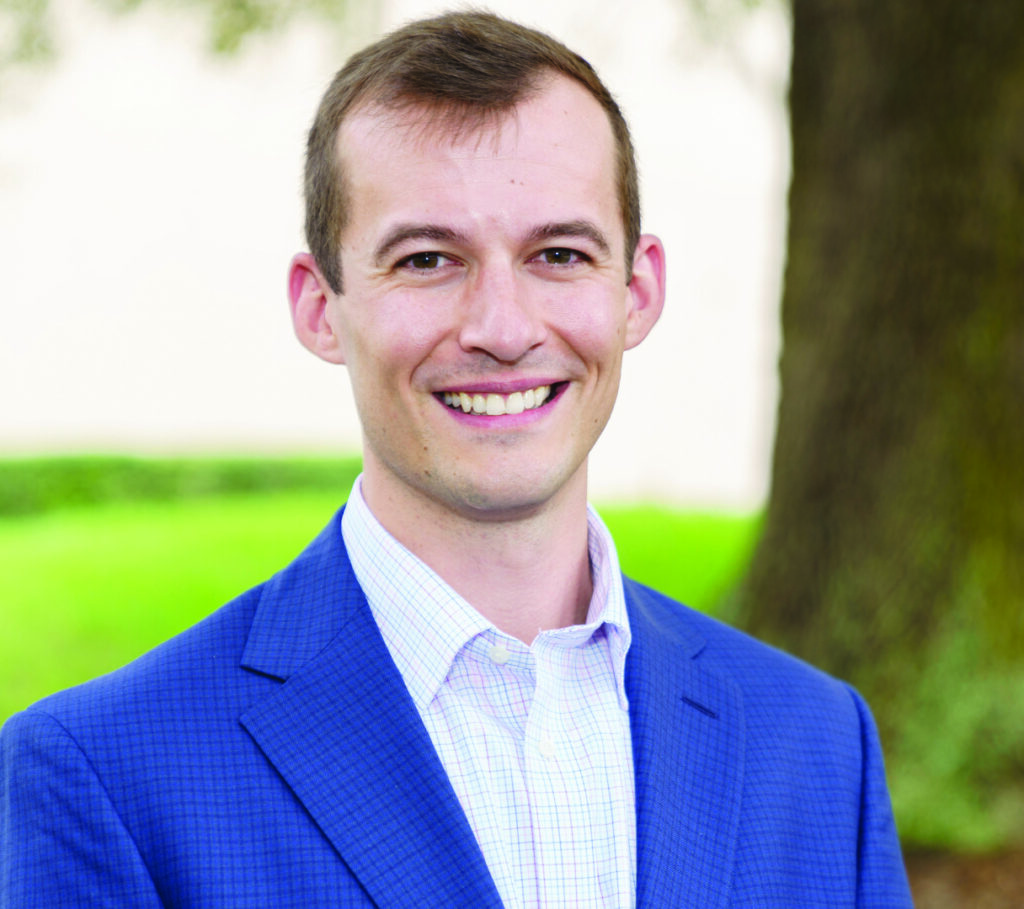 Steve Walczak, PT, DPT, PCS
Director of Rehabilitation, Brooks Rehabilitation Hospital - Bartram Campus
Steve Walczak, PT, DPT, PCS
Director of Rehabilitation, Brooks Rehabilitation Hospital - Bartram Campus
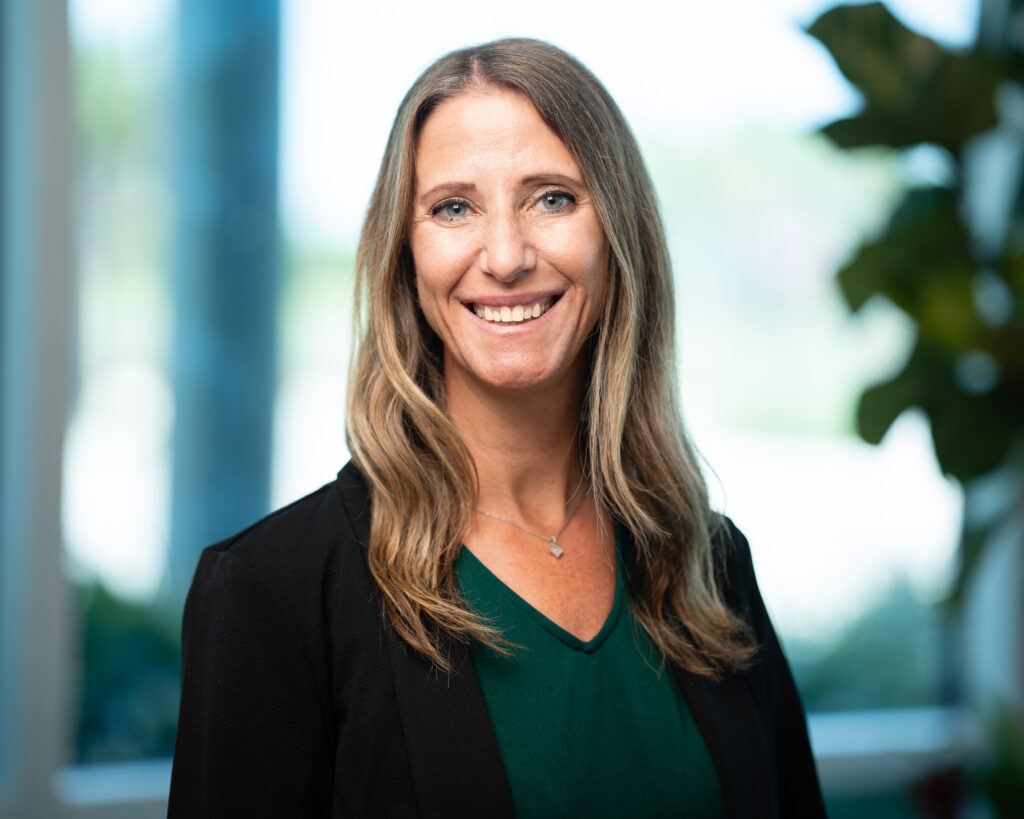
 Kyle Cauble, MRMC
Director of Rehabilitation, Brooks Rehabilitation Hospital - University Campus
Kyle Cauble, MRMC
Director of Rehabilitation, Brooks Rehabilitation Hospital - University Campus
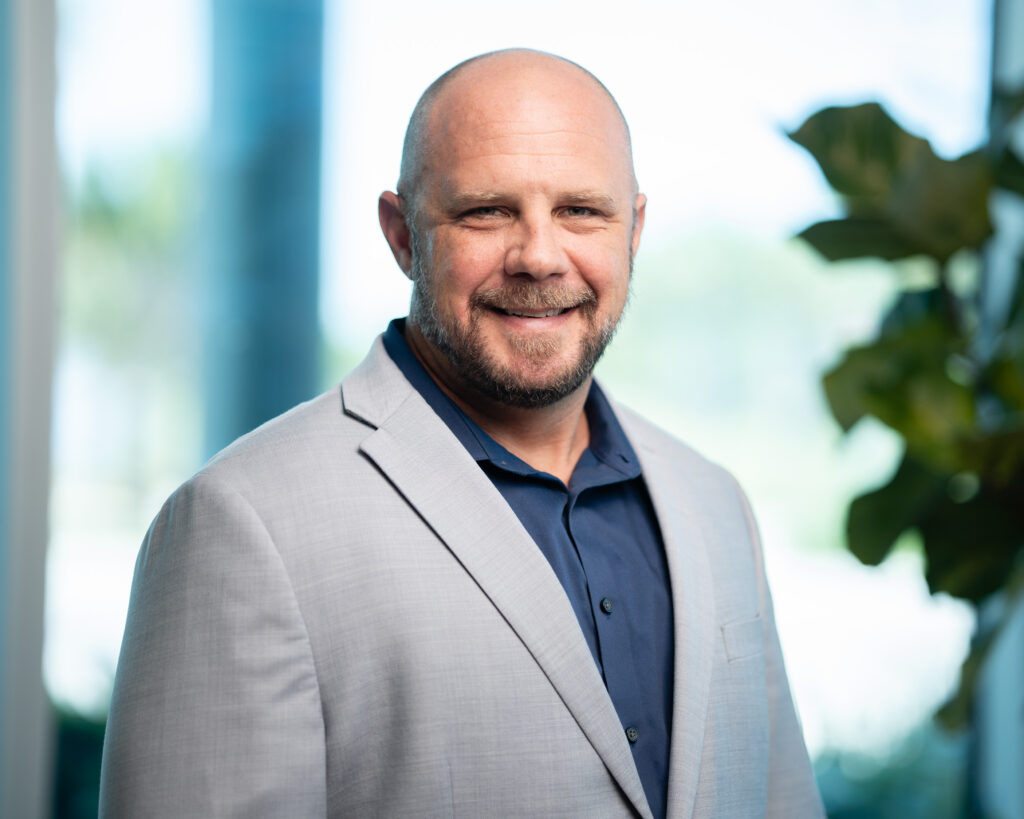
 Pamela Vitale, RN, BSN, CRRN
Director of Nursing, Brooks Rehabilitation Hospital - Bartram Campus
Pamela Vitale, RN, BSN, CRRN
Director of Nursing, Brooks Rehabilitation Hospital - Bartram Campus
 Adam Francis, RN, MSN, CRRN
Director of Nursing, Brooks Rehabilitation Hospital - University Campus
Adam Francis, RN, MSN, CRRN
Director of Nursing, Brooks Rehabilitation Hospital - University Campus
Nationally accredited patient-centered care
Brooks is consistently rated among the top rehabilitation hospitals in the nation and is a top rehabilitation hospital in Florida according to U.S. News & World Report. Our commitment to excellence means every patient benefits from leading care, ongoing support and personalized attention.
Request patient care
Your oncologist will be able to provide a referral to our program any time during your treatment, including before you begin.
Brooks’ system of care accepts multiple types of insurance as well as Medicare and Florida Medicaid. We also provide self-pay options when insurance no longer covers treatment.
Brooks partners with health care systems, locally, statewide, nationally and internationally — accepting referrals from most acute hospitals and physicians.