


Aphasia Programs at Brooks

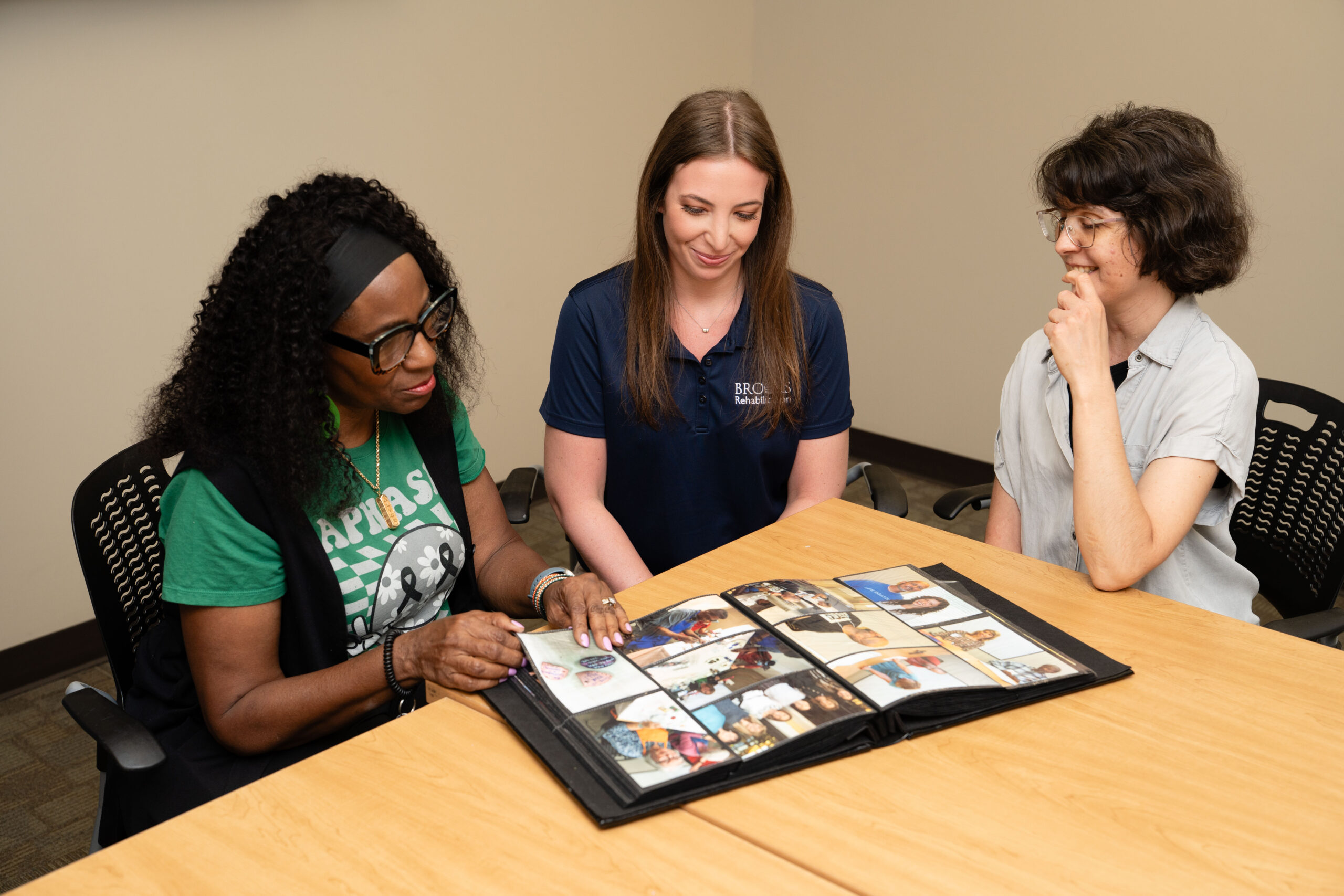
Aphasia programs at the Brooks Rehabilitation Aphasia Center (BRAC) provide comprehensive support for people and their families affected by aphasia and primary progressive aphasia.

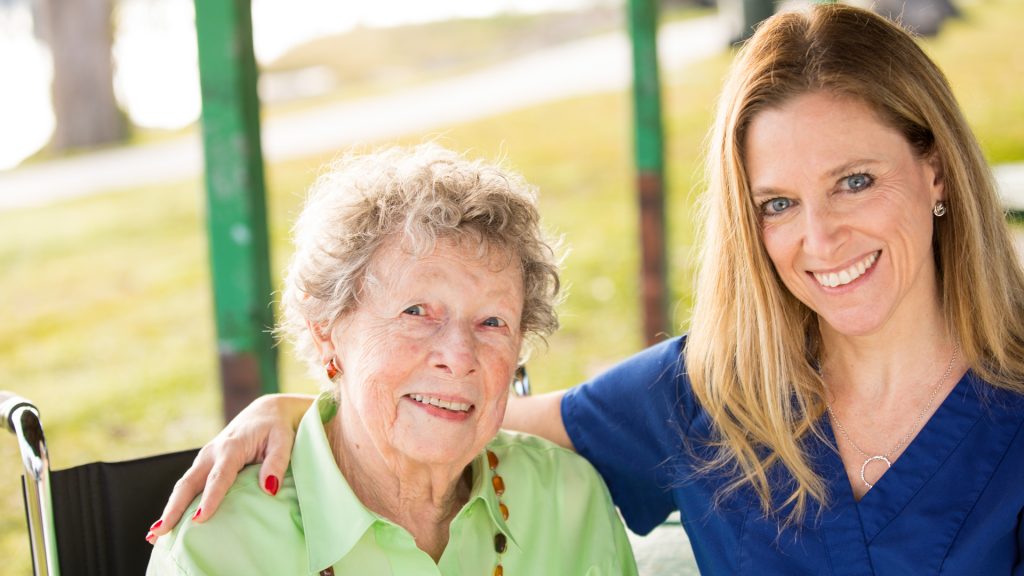
At BRAC, we are dedicated to helping people with aphasia achieve their highest level of recovery and participation in life through support, education and training of not only the individual, but family members and caregivers.

BRAC programs encompass the Life Participation Approach to Aphasia. Our goal is to help you join in life’s conversations again.

Learn More About Aphasia

Aphasia center patients

Is BRAC right for you?

The center is open to any individual who has a primary diagnosis of aphasia or primary progressive aphasia and is at least 18 years old. The individual must be able to toilet, eat independently and participate in five hours of language rich activities.

Aphasia programming

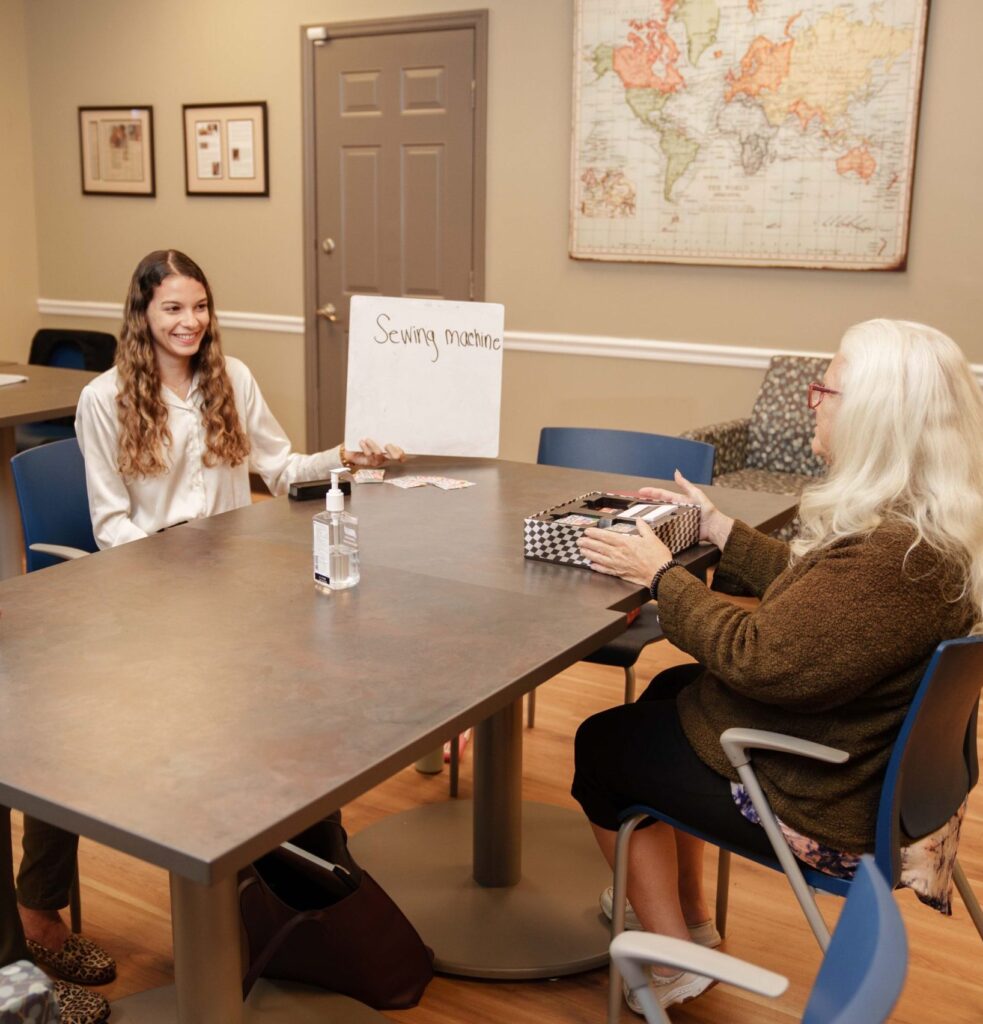
We leverage the latest research and recovery options – in both individual and group settings – to provide opportunities to enrich communication and social skills to help you live successfully with aphasia.

Our programs focus on helping restore connections with family, friends and community in a supportive environment. Our center offers different program options, depending on recovery needs and goals.

Intensive Comprehensive Aphasia Program (ICAP)

This six-week intensive individualized program runs five days a week from 9 a.m. to 2 p.m. It provides an immersive rehabilitation experience that includes communication partner training.

Individualized therapy sessions

Group and social communication activities and events

Partner/family communication training and support groups

Community & vocational re-entry activities

Outcome/improvement and assessment reports

Training in EB aphasia applications and integration of AAC or technology

Home program, monthly zoom calls, family training and music therapy

Community program

Participants in the team program can expect the following:

Daily community groups for improving socialization and communication

Group or individualized sessions led by a mental health counselor

Partner/family communication training and support groups

Outing and events, as well as music therapy

Community programming

Through our community programming, we provide an opportunity for those with aphasia to connect with others through interactive coordinated groups in a supportive environment. We offer satellite programming for in person conversation groups at our Orange Park, Daytona and Orlando, Florida, outpatient clinic locations.

Some of the conversation groups available, include:

  • All about aphasia and advocacy
  • Book and movie clubs
  • Creative writing and journaling
  • Functional skills and math
  • Arts, crafts and gardening
  • Exercise and wellness
  • Nondenominational bible study
  • Computer and assistive technology and application labs
  • Narrative storytelling
  • Music therapy
  • Hot topics in the news
  • Famous faces
  • Community outings to local events, restaurants and businesses

Reach out to us to learn more about joining our communication groups.

Virtual conversation & support groups

Our online conversation groups are free and available to people with aphasia across the U.S. and the globe. Participants can find a supportive community and access highly knowledgeable clinicians to help them continue to work on recovery goals.

To learn more about our virtual support and conversation groups, and how to participate, visit our Support Group page.

Support Groups

Aphasia team

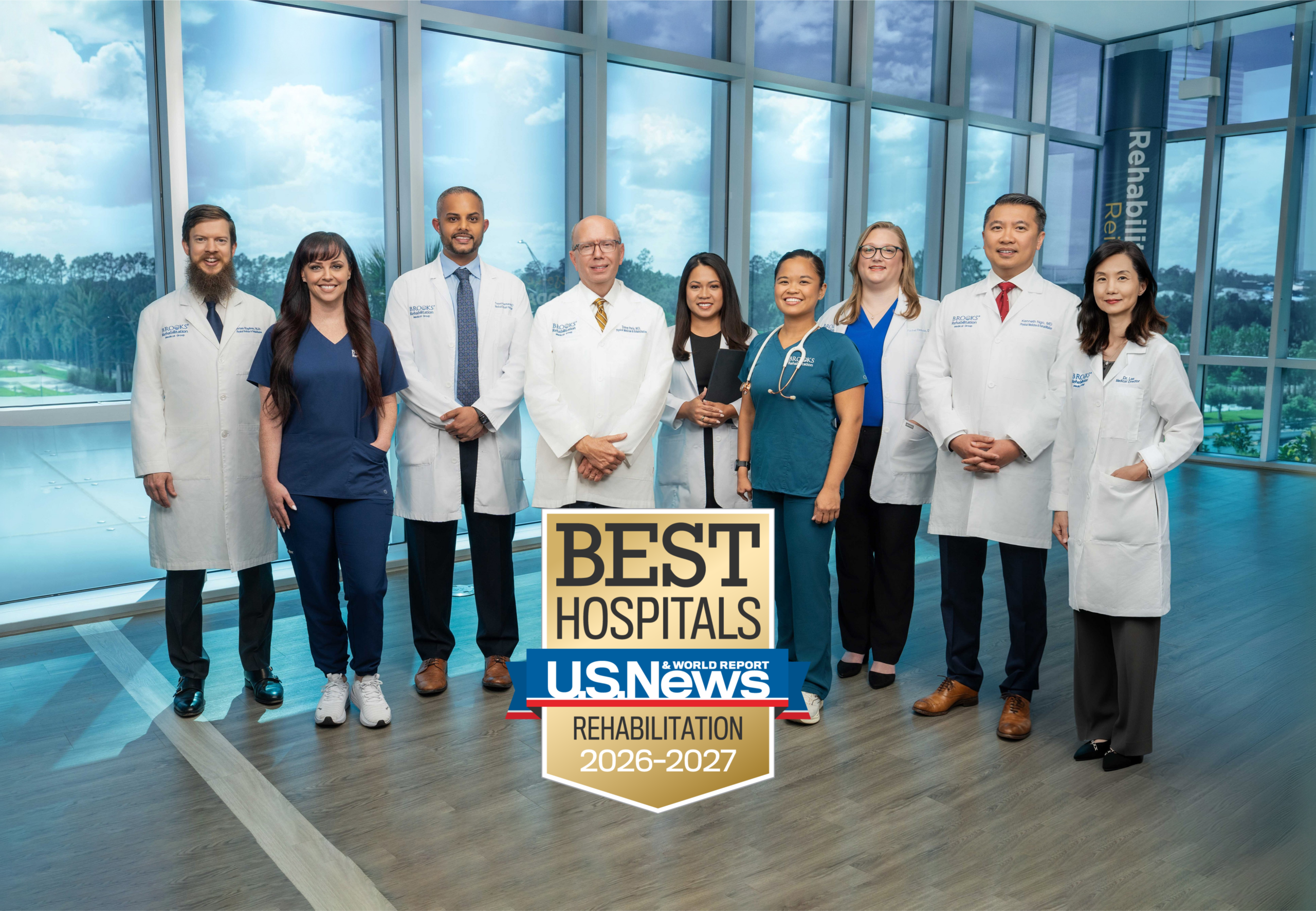
Highly specialized, award-winning team

Regardless of the program, members are supported by a designated team of experts in aphasia recovery. Our clinicians are among the top in their field and actively participate in clinical research and education on both the local and national levels.

  • Specialized speech-language pathologists
  • Certified neurologic music therapists
  • Research scientists
  • Mental health counselors
  • Occupational and physical therapy students
  • Highly trained graduate-level interns

Community programs & research

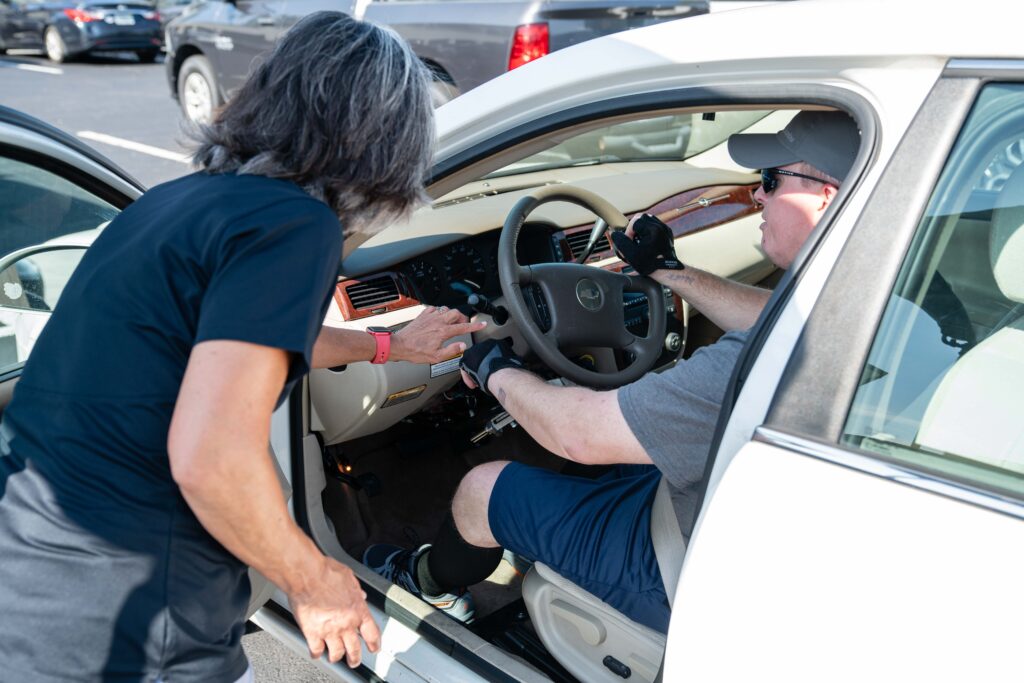
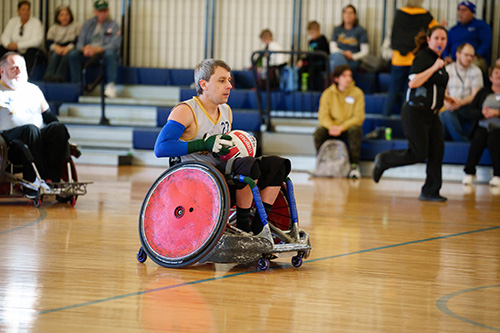
The BRAC can recommend patients to other community programs at Brooks to help individuals with aphasia continue to achieve greater participation in life. Patients and participants at BRAC are also invited to participate in research studies regarding aphasia treatment and recovery. Brooks’ aphasia center works closely with other programs to help individuals return to driving, improve physical well being or find new hobbies and interests through our other support programs.

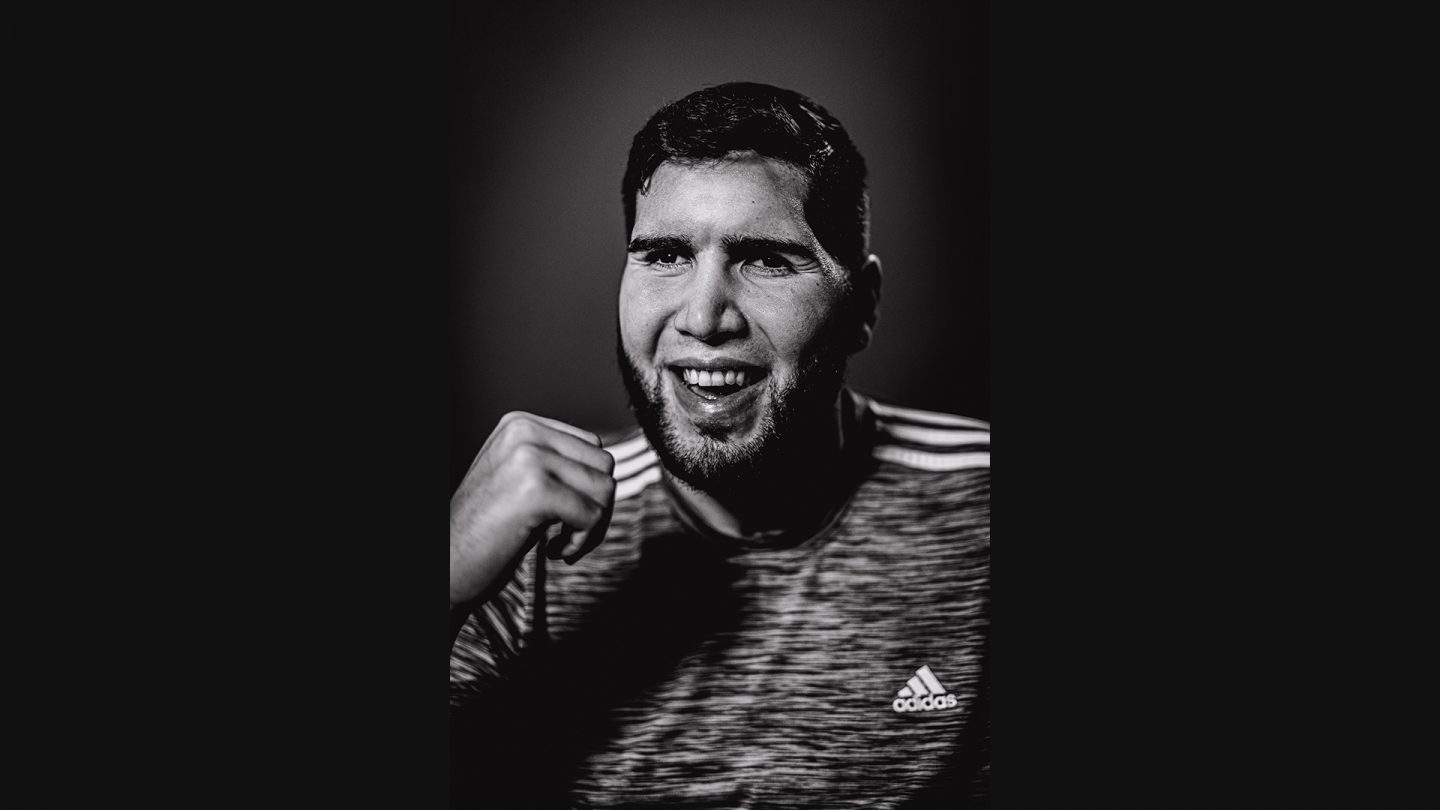
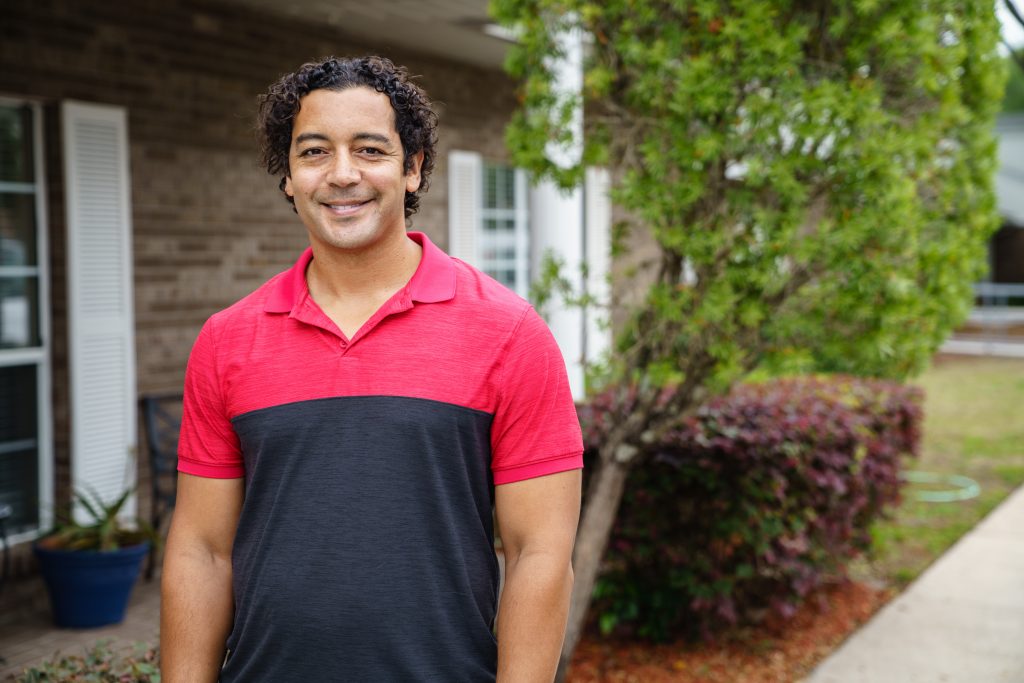
Coleman outside the BRAC

Join the BRAC

Aphasia programming is offered on a low sliding fee scale. To learn more about the center and how to participate, please contact us directly or request care through our Become a Patient form.

Email: [email protected]

Phone: (904)345-6780

Translate »