How a Music Teacher’s Stroke Recovery Was Transformed Through Music Therapy
Back to physical health resource hub
Music has always been at the heart of Marissa Colon’s life. From playing the violin in sixth grade to earning a degree in music education, music has always been at the forefront of her life. She met her husband, also a music educator and violinist, while studying at the University of Central Florida. Together, they built a life centered around their shared love of music and teaching.
But on December 1, 2024, everything changed. While at school, Colon experienced a sudden spike in blood pressure, leading to a hemorrhagic stroke. Within seconds, her colleagues acted swiftly, calling 911 and ensuring she received emergency medical care.
After 12 days in the hospital, Colon was transferred to Brooks Rehabilitation in Jacksonville, where her journey to recovery truly began.
Music therapy in recovery
When Colon arrived at Brooks, her goals were clear. She wanted to regain her ability to walk, strengthen her left side and rebuild her breath support and vocal range to return to teaching music. Recognizing her unique needs as a music educator, the team at Brooks tailored her therapy plan to include daily music therapy sessions.
“When I first arrived, I couldn’t even sit up on my own,” she recalls. “I had no core strength and had lost my breath support for singing. But I was determined to work hard every single day.”
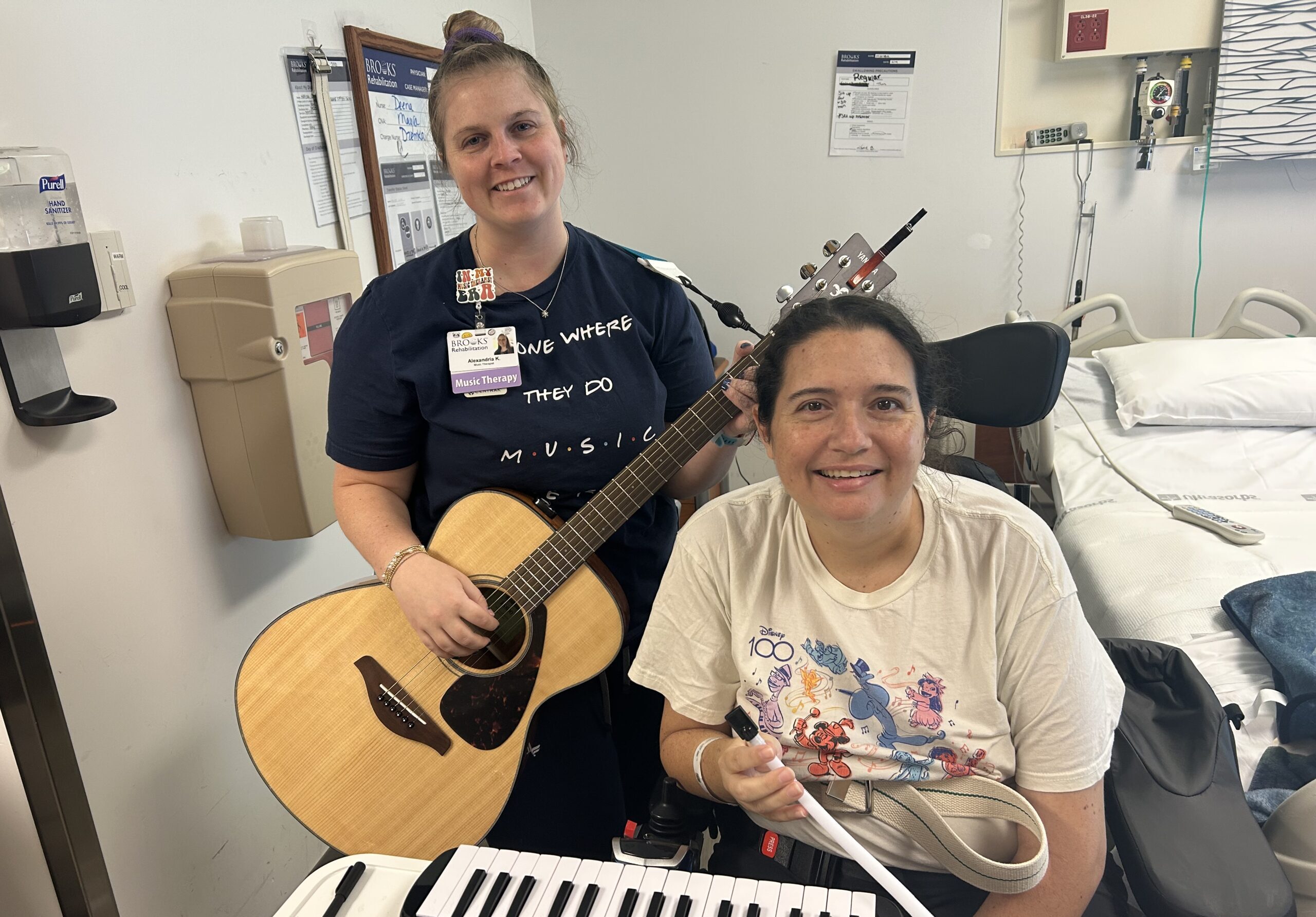
Music therapy became a cornerstone of Colon’s recovery, seamlessly blending her passion for music with her therapeutic goals. Under the guidance of AJ Kwan, neurologic music therapist at Brooks, her sessions were carefully tailored to address her unique needs as a music educator.
The therapy initially focused on vocal exercises to rebuild her breath support and singing range, both of which had been significantly impacted by her stroke. These exercises not only helped strengthen her diaphragm and improve her vocal control but also reignited her confidence in her ability to teach and perform.
As her progress continued, the sessions evolved to incorporate more advanced techniques, ensuring that Marissa could steadily work toward her goal of returning to the classroom.
“Marissa made it clear that her goal was to go back to teaching. Every session was tailored to real interventions and skills she would need to implement in her classroom. These included sessions focused on her vocal range, volume and clarity as well as some memory tasks,” said Kwan.
She also practiced with a melodica, an instrument that combines breath control and keyboard skills, which she continues to use at home as part of her therapy.
“Music therapy was essential for me,” she says. “It wasn’t just about regaining my skills—it was about rediscovering my identity as a music teacher.”
A collaborative therapy approach
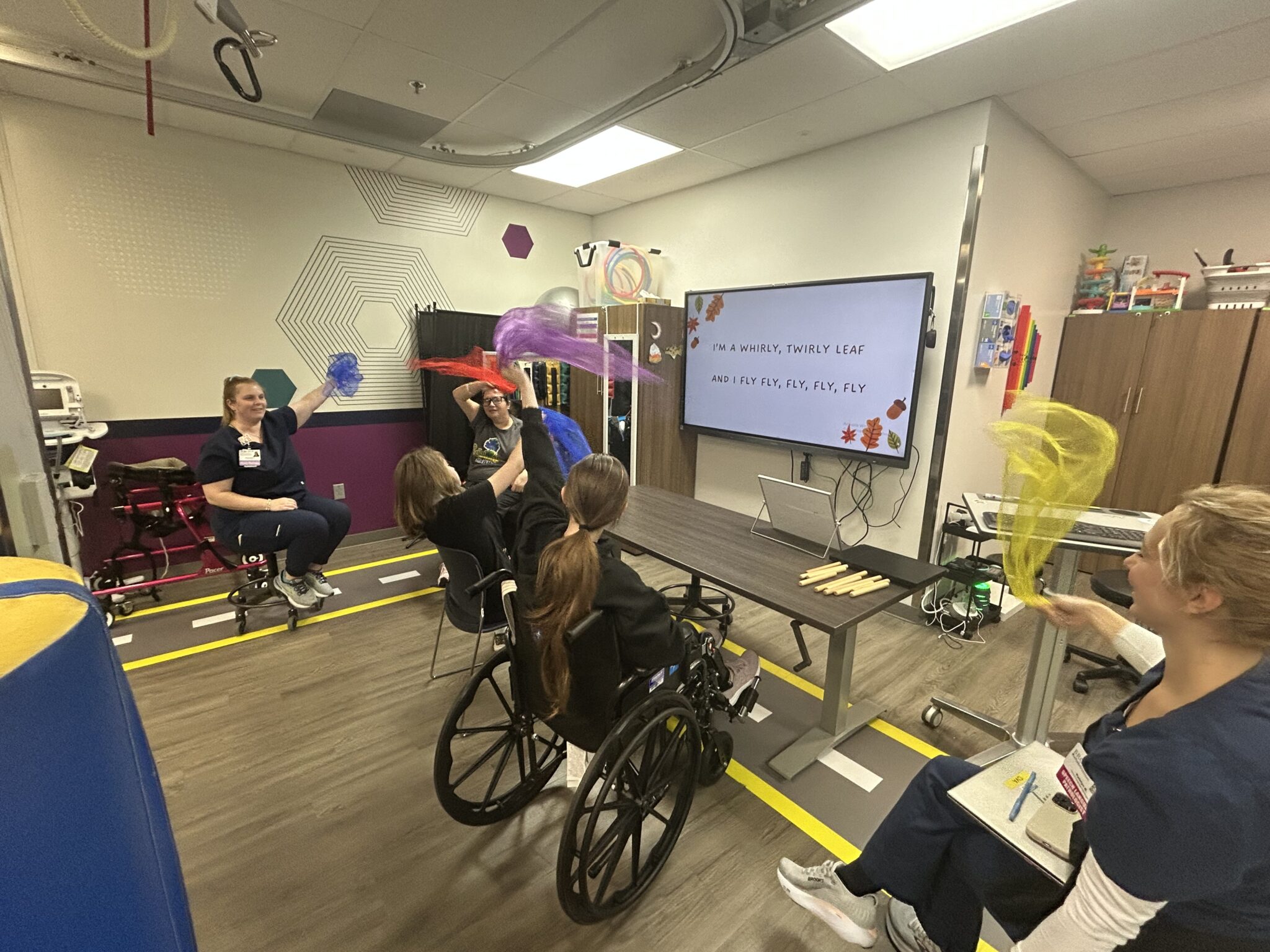
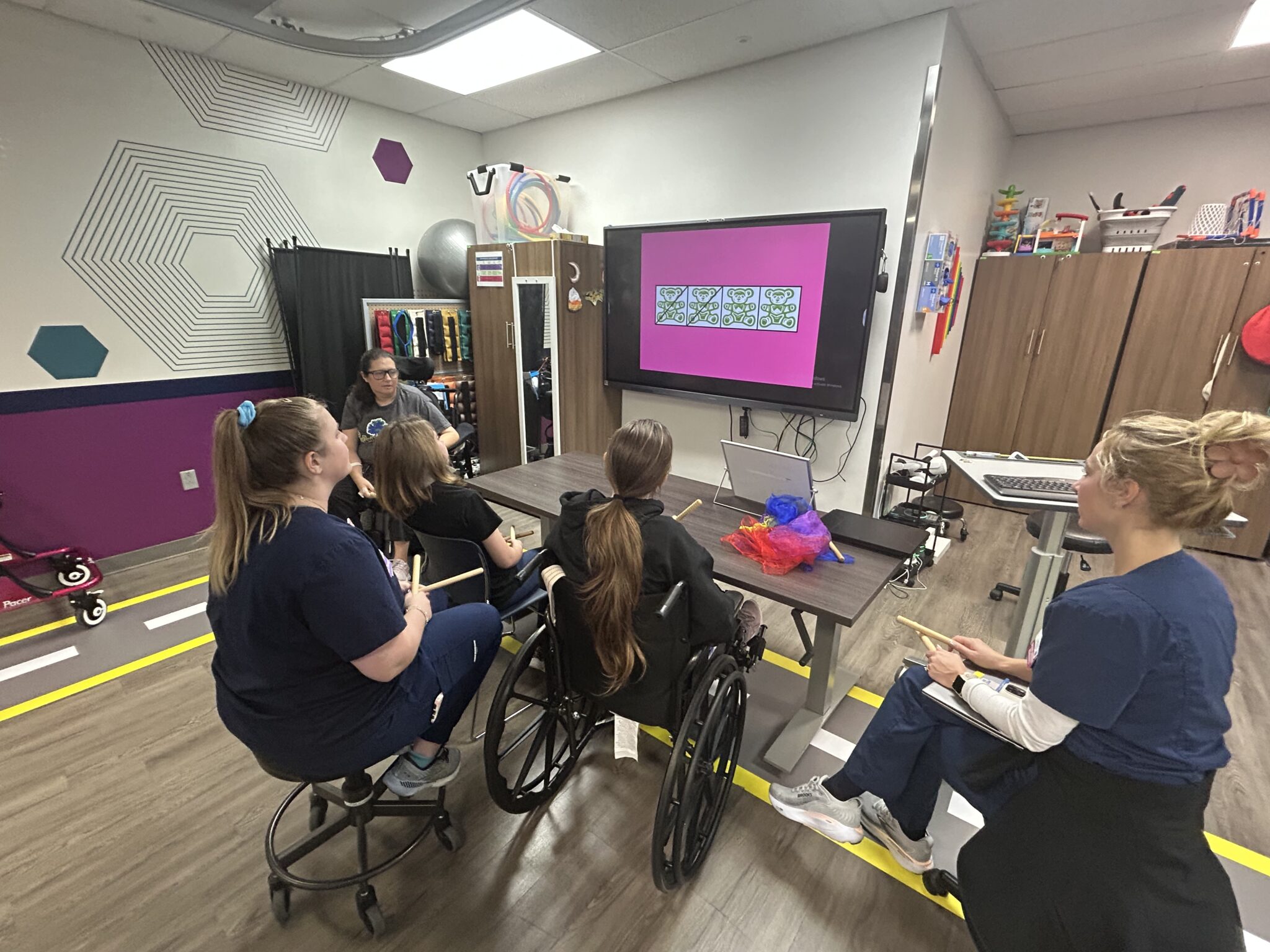
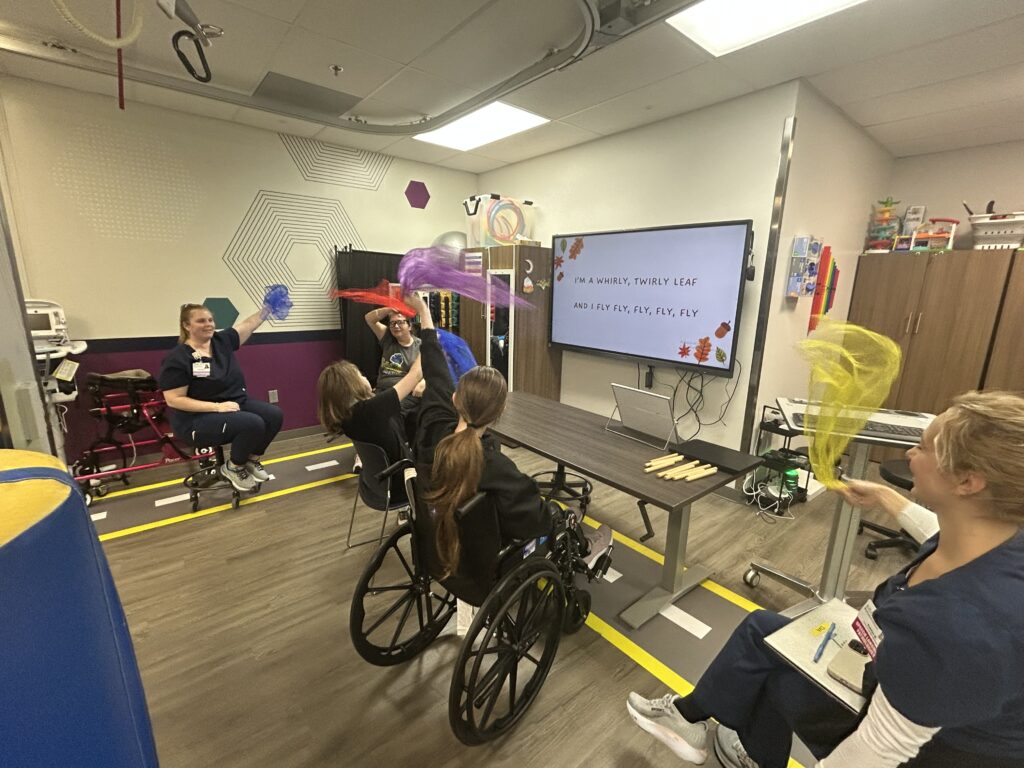
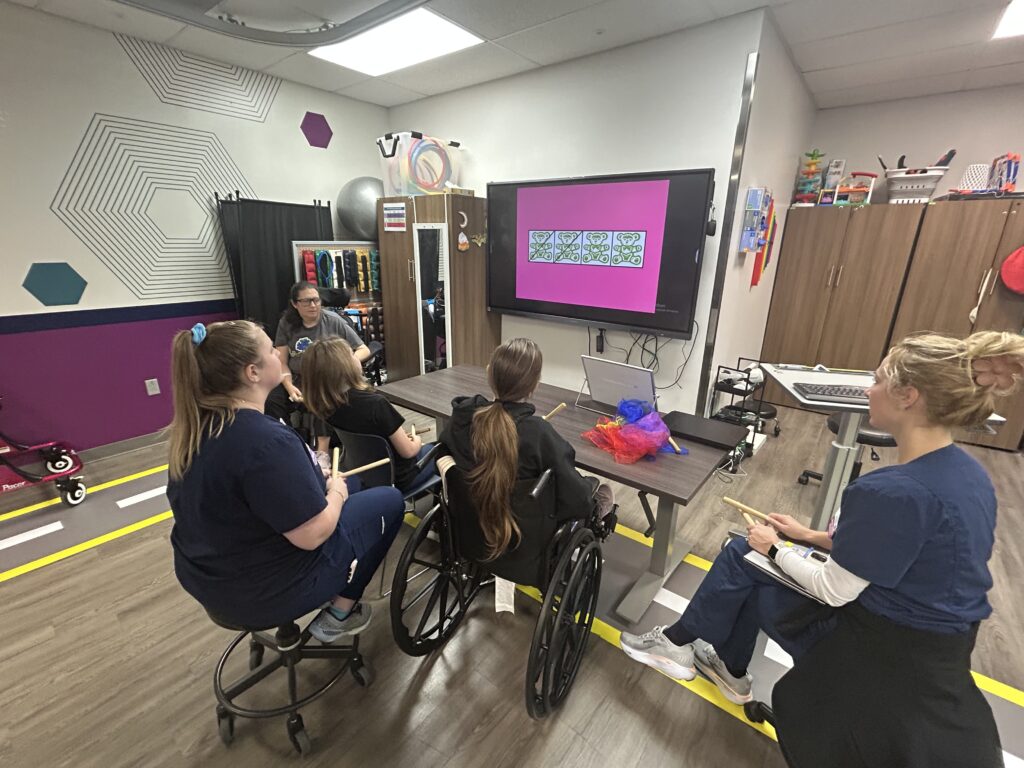
One of the most memorable moments from her time at Brooks was designing and teaching a 20-minute music lesson to the children in our Pediatric Day Program as part of her therapy.
“Marissa was making incredible progress both physically and cognitively, and we knew she was ready for the next step,” said Kwan. “In collaboration with speech therapy, we came up with the idea of having Marissa teach a music lesson to the children in our pediatric program. It was a unique opportunity to not only support Marissa’s recovery but also bring joy and engagement to the kids.”
With the guidance of her therapists, Marissa worked diligently to create a lesson plan that she could teach independently. The process challenged her to relearn skills like using a computer for her presentation, but when the time came to step in front of the children, she seamlessly transitioned back into “teacher mode.”
“It was like riding a bike,” she says. “The moment I started teaching, it felt like I had never left the classroom.”
The experience was transformative for everyone involved. For Marissa, it was a meaningful reminder of her passion and a testament to the progress she had achieved. For the kids, it was a therapeutic and enjoyable activity that contributed to their own recovery.
Goals for the future
Over five weeks, Colon made steady progress. She regained core strength, improved her balance and began to see muscle activation on her left side. By the end of her stay, she could sit up independently, transfer with minimal assistance and use a motorized wheelchair for mobility. Her voice, once weakened, had regained much of its strength, allowing her to sing and prepare for her eventual return to teaching.
Now back home in South Florida, Colon continues her therapy with the same determination that defined her time at Brooks. Her goal is to walk back in her classroom and resume teaching in August. Until then, she’s focused on strengthening her left side, improving her music skills and maintaining her vocal range.
“I’m so grateful for the team at Brooks and the opportunity to have music therapy every day,” she says. “It gave me the tools to not only recover but to thrive. I can’t wait to get back to my students and share my love of music with them again.”