Kidney Transplant Rehabilitation

Recovery after a kidney transplant involves more than healing from surgery. At Brooks Rehabilitation, we help you rebuild strength, manage fatigue and return to daily activities. We focus on supporting your healing and the health of your new kidney.

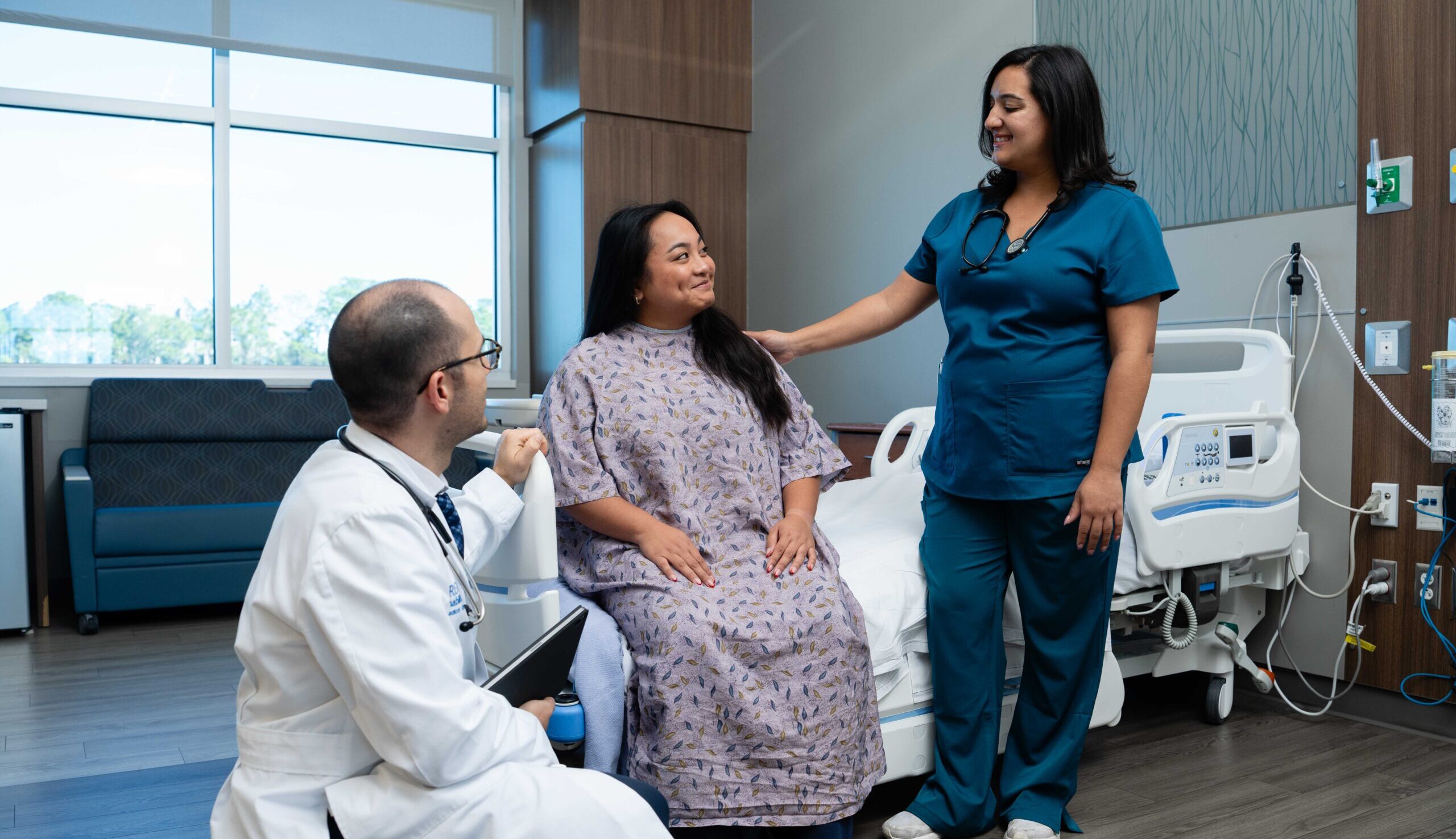
Dr. Galea and nurse with Patient
Medical Reviewer: Pierre Galea, MD
Last Updated: March 23, 2026

What is a kidney transplant?

A kidney transplant replaces a failing kidney to restore essential body functions. Many people arrive at transplant recovery after months or years of dialysis, which can contribute to fatigue and reduced endurance. After surgery, recovery may involve close management as the body adjusts to your new kidney.

Supporting recovery after kidney transplant

At Brooks, rehabilitation supports each part of your kidney transplant recovery through coordinated, specialized care.

Our approach includes:

  • Building strength and endurance to restore energy and tolerance for activity after illness or hospitalization
  • Managing fluid balance and checking for swelling and other signs of fluid changes
  • Optimizing medication management and adjusting as needed
  • Supporting blood pressure for a safe recovery
  • Rebuilding muscle strength to address weaknesses and improve mobility

Care team and approach

We offer a team-based approach to kidney transplant rehabilitation that works with your transplant center to coordinate follow-up care. We adjust your therapy based on how you’re healing and how your body responds. Our goal is to help you return home safely.

Your care team is led by board-certified physical medicine and rehabilitation physicians, which may include:

  • Case managers
  • Dietitians
  • Nurses
  • Physicians
  • Psychologists
  • Wound care specialists

Why choose Brooks Rehabilitation for kidney transplant rehabilitation?

At Brooks, our kidney transplant rehabilitation sustains recovery while carefully managing medical factors that protect kidney health.

Highlights of our program include:

  • Coordinated care with transplant centers: We work directly with your transplant team to align therapy with lab monitoring and follow-up care.
  • High-tech rehabilitation tools: Brooks uses specialized rehabilitation technology, including body-weight support and gait-training systems. These tools help you rebuild mobility while minimizing physical stress.
  • Patient and caregiver support: We offer education and guidance to help patients and families feel confident managing recovery before they return home.
  • Specialized care for complex kidney transplant recovery: Our team has experience dealing with the sickest patients and most complex recoveries. We manage blood pressure, fluid balance and fatigue while guiding safe physical recovery.

FAQs about kidney transplant rehabilitation

Will rehabilitation help if I was on dialysis before

Yes. Many people come to transplant recovery after months or years of dialysis, which can affect strength and endurance. Rehabilitation helps address these issues and supports a safe transition to life after transplant.

Swelling can happen during recovery as your body adjusts. Rehabilitation teams assess fluid balance and activity tolerance and coordinate with your transplant team as needed.

Become a Patient

Find out more about becoming a patient and learn more about kidney transplant rehabilitation.

Latest News and Health Resources

Education and guidance to support your recovery

Ryan posing in front of two frames

Ryan’s Story: Living and Working With a Rare Disease

Rare Disease Day is February 28 As a physical therapist, Ryan Conwell, PT, DPT, has spent her career helping other people regain movement, strength and confidence in their bodies....

Translate »
The owner of this website has made a commitment to accessibility and inclusion, please report any problems that you encounter using the contact form on this website. This site uses the WP ADA Compliance Check plugin to enhance accessibility.