Symptoms of orthopedic injuries
Generally, people who suffer from an orthopedic injury will experience one or more of the following symptoms:
- Pain
- Redness
- Bruising
- Swelling
- Tenderness
- Numbness
- Limited range of motion
- Inability to bear weight on the injured area
- Bleeding.
When to seek care
You should always seek care after an injury or fall to ensure that there are no fractures or internal injuries. However, if your injury begins to cause intense pain, swelling, deformity or reducing your range of motion, it is important to quickly to seek out an orthopedic physician or physical therapist to diagnose the issue and provide a treatment plan.
If the orthopedic injury is the result of a high impact accident and is life-changing, care should be sought at an hospital ER with an orthopedic surgeon on staff.
Treatment for orthopedic injuries
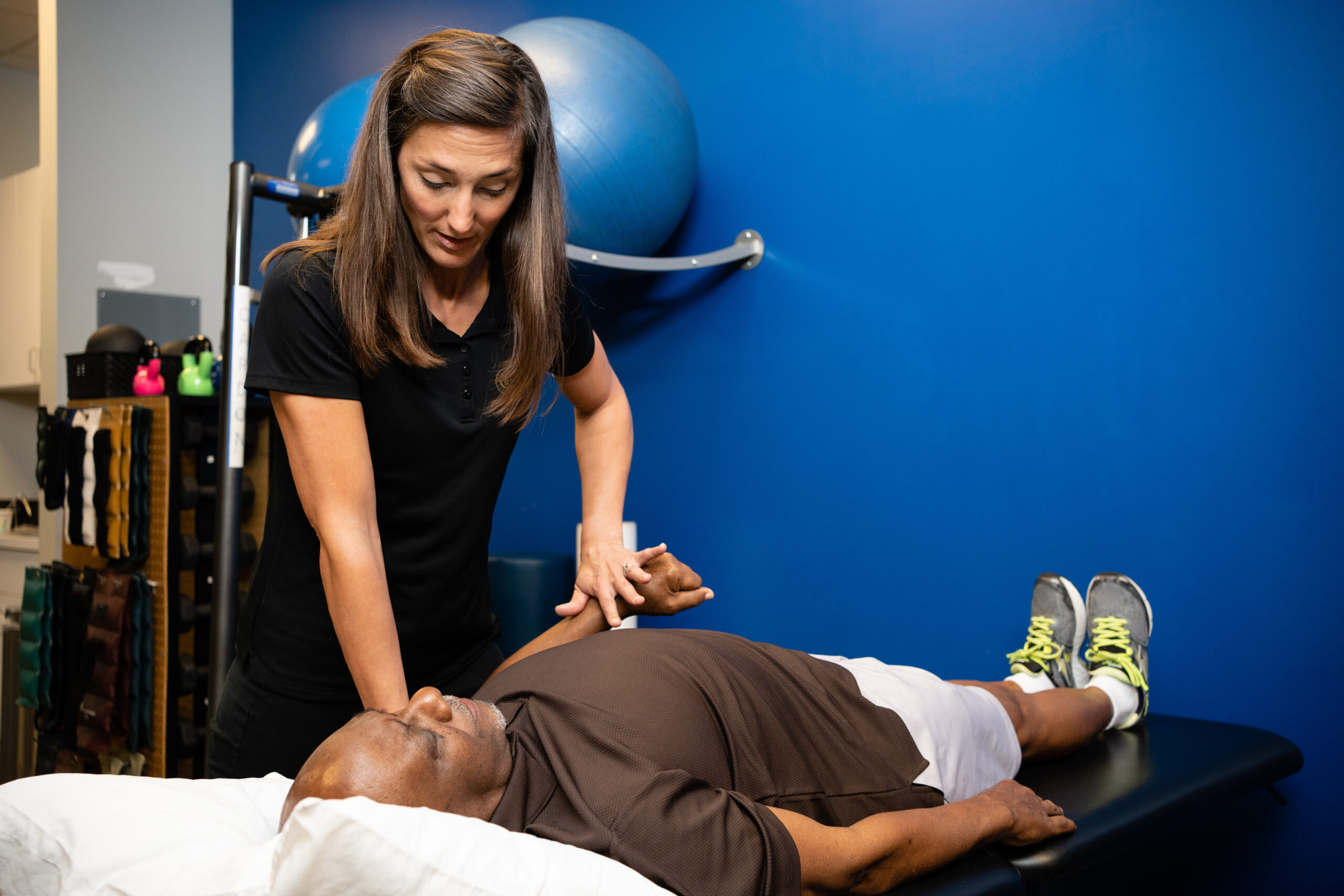
Orthopedic rehabilitation is the treatment of patients with orthopedic injuries. Physical therapists treat these injuries by using conservative measures such as manual therapy, modalities and therapeutic exercise. Rehabilitation should happen following an injury or sports trauma to help you recover your strength and endurance to return to your previous level of performance.
Orthopedic rehabilitation is also important before the surgery to help prepare you for the recovery process and after the surgery to improve flexibility, strength, and functional abilities. Even after a major accident or trauma, rehabilitation is an important step in facilitating your return to a pain free, independent lifestyle.
Types of therapy used in orthopedic rehabilitation
Where does rehabilitation happen?
Orthopedic rehabilitation can begin as early as during your hospital stay. Simple exercises to improve your range of motion and flexibility, and practicing functional activities like walking and sit-to-stands will help you return home safely.
During home health care, you may work on some strength and endurance exercises designed to improve your independence within your home, like getting dressed and bathing yourself.
Outpatient physical therapy goes one step further, and will introduce progressively more challenging exercises and stretches to help you get stronger, faster, more agile, and confident that you can do the things you want to do.
If you are planning on returning to a sport or athletic event, our team of Orthopedic Specialists can help physically prepare you to get back into the game with sport specific return-to-play programs.
Brooks approach to orthopedic rehabilitation
At Brooks Rehabilitation, your therapist will complete a thorough history and evaluation of your symptoms and complaints to create a comprehensive plan of care to help improve your symptoms and increase your functional ability. Your treatment plan will be an individualized, custom application of symptom reducing modalities, hands on manual therapies, and therapeutic exercises designed to improve your strength, endurance, and overall function, with a focus on addressing your specific goals.
Expert orthopedic team
All Brooks patients are cared for by our team of experts in orthopedic rehabilitation. Our clinicians are among the top in their field, striving to constantly improve their skills and offer the best possible options to you and your loved ones.
Our orthopedic rehabilitation specialists conduct ongoing clinical research and take part in having access to the advanced clinical training programs and fellowships through the Brooks Institute of Higher Learning. By constantly developing and enhancing their field, Brooks clinicians are able to offer advanced, scientifically proven orthopedic therapies in a compassionate, comfortable setting.
Start your recovery journey at one of our locations.