Transplant Rehabilitation Program at Brooks
Providing specialized, interdisciplinary care for people with an organ transplant to help them regain strength, mobility and independence while managing their complex medical needs.
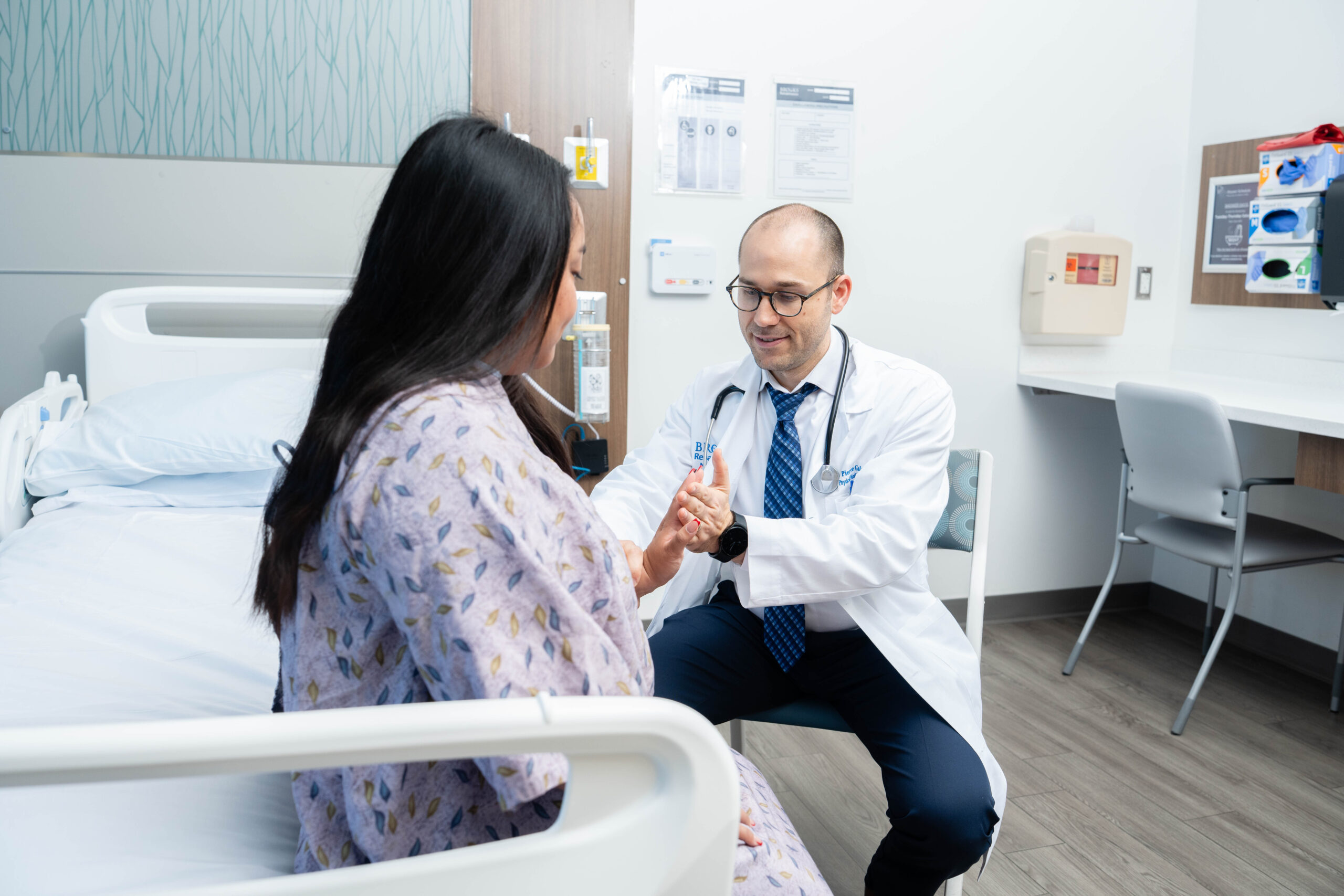
We understand the challenges patients face while recovering from an organ transplant. With a long history of caring for medically complex patients during rehabilitation, Brooks is often a top choice for transplant care teams, patients and their families to help improve functional independence and quality of life before and after surgery.
Rehabilitation recovery after an organ transplant
While patients are waiting for a transplant, they can experience a loss of strength, mobility and function. After transplant surgery, it is important for patients to receive physical, occupational and speech therapy at a post-acute rehabilitation hospital to re-engage their muscles, build cardiovascular endurance and muscle strength.
Our transplant rehabilitation program is tailored specifically to meet the medical and rehabilitation needs of those who have undergone or preparing to undergo:
Heart transplant
Lung transplant
Kidney transplant
Liver transplant

Multiple organ transplant
Brooks also supports patients who have undergone bone marrow or stem cell transplants.
What to expect during transplant rehabilitation
Transplant patients receive a variety of therapy and medical care, depending on their unique situation and type of transplant. Our inpatient therapy services are available 7-days a week, so when patients are offsite for medical appointments, they still receive up to 3 hours of therapy, 5 times a week.
The team at Brooks Rehabilitation provides the following services:
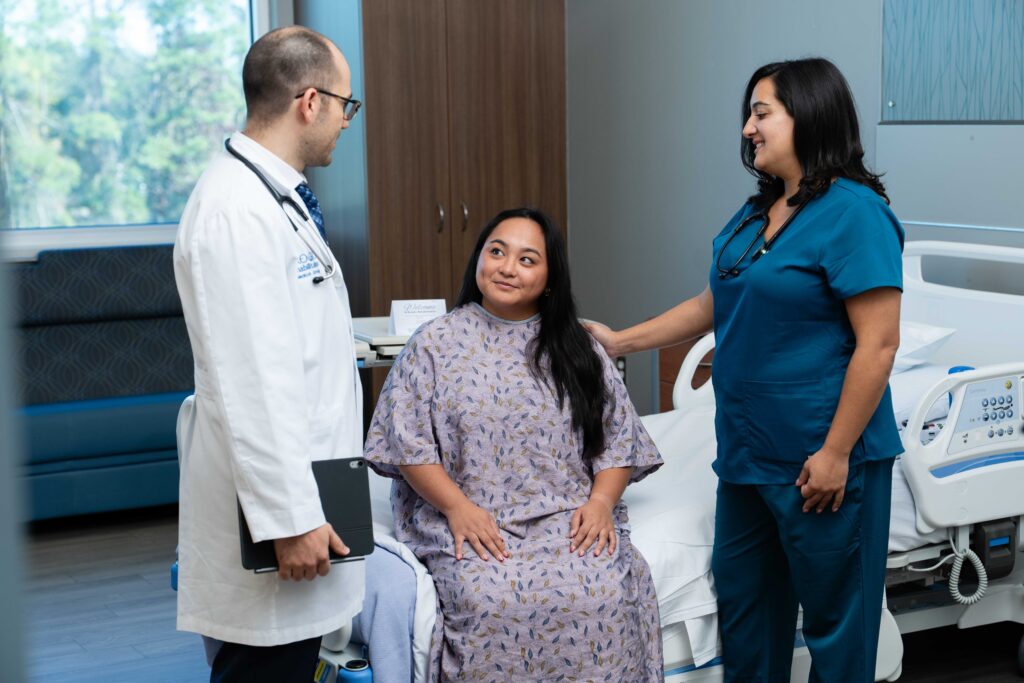
Physician oversight
Physical medicine and rehabilitation physicians oversee the rehabilitation and medical care of transplant patients, ensuring streamlined communication between care settings and teams.
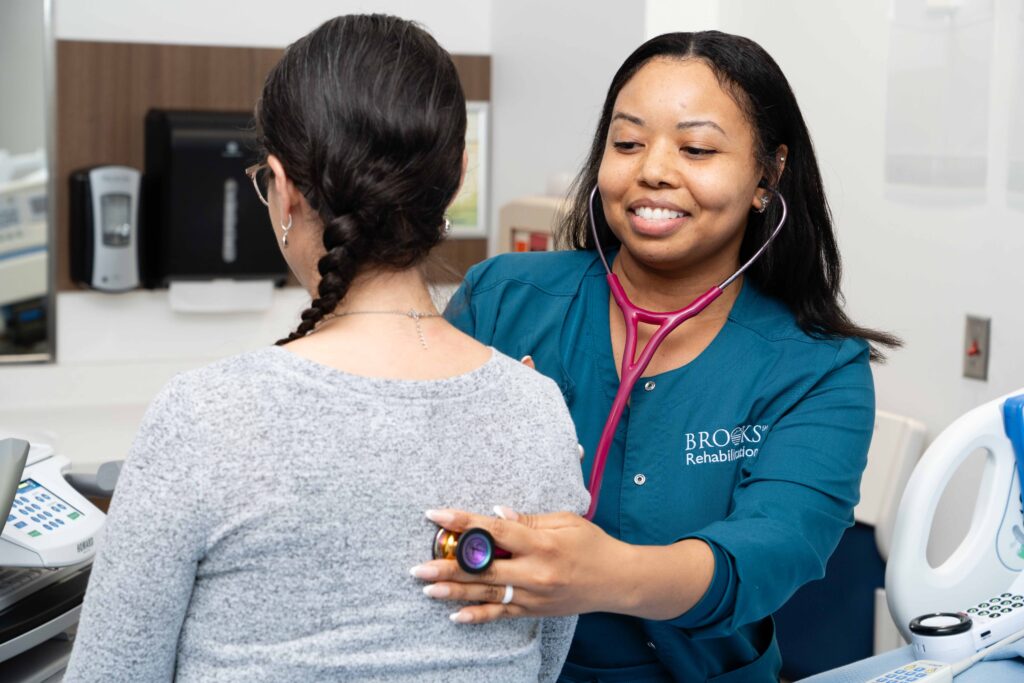
Rehab nursing
Monitor vital signs, manage medications, provide wound and infection care, family education and much more.
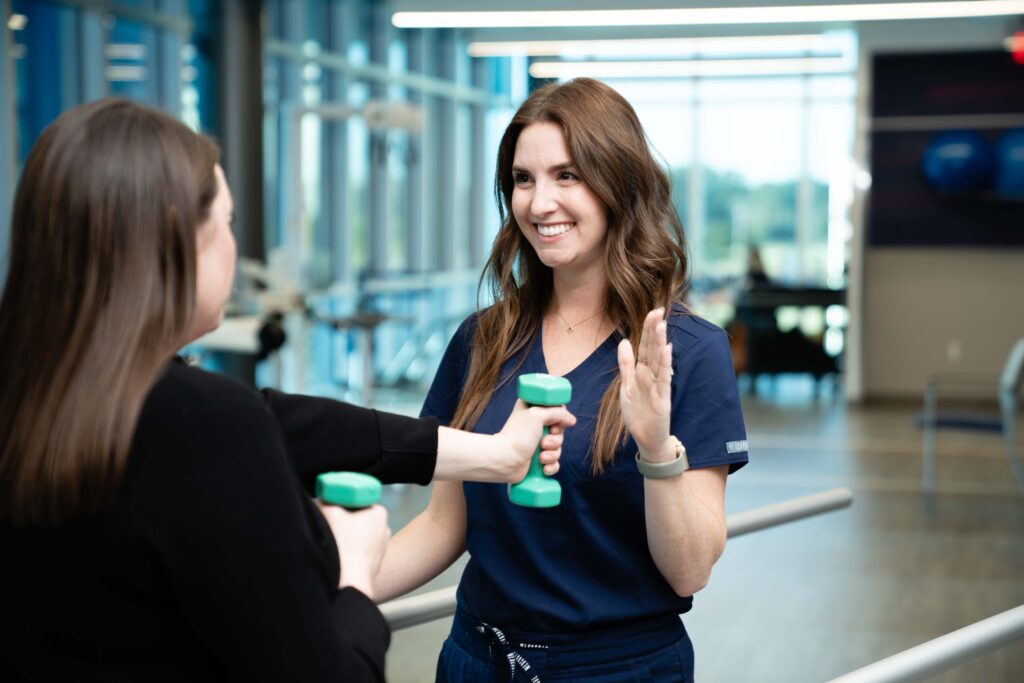
Physical therapy
Improves endurance, strength, mobility and stamina before and after surgery.
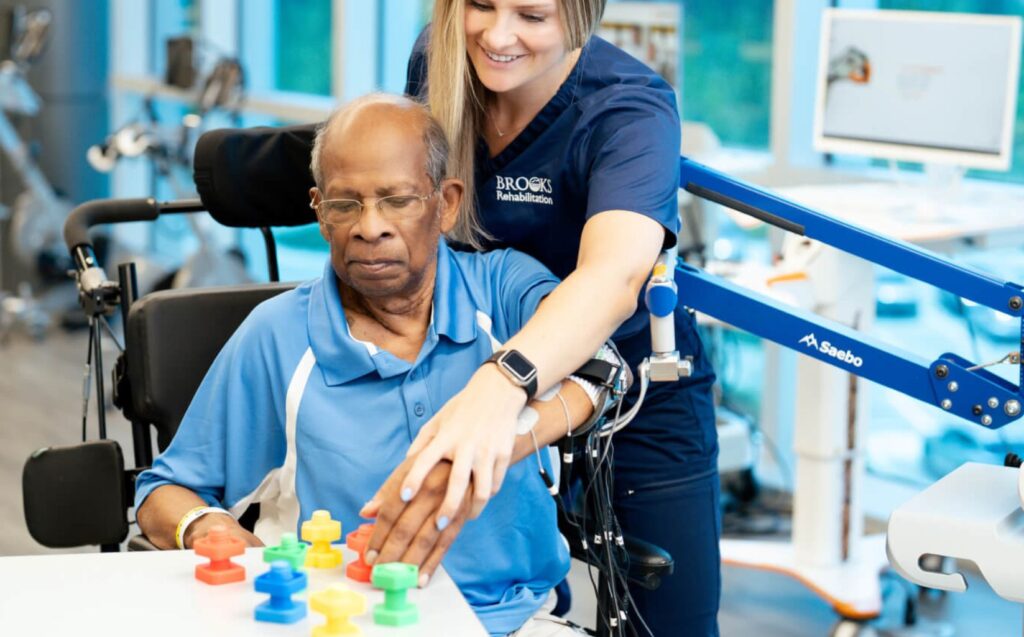
Occupational therapy
Supports the regaining of motor skills function for activities of daily life such as dressing, eating and bathing.
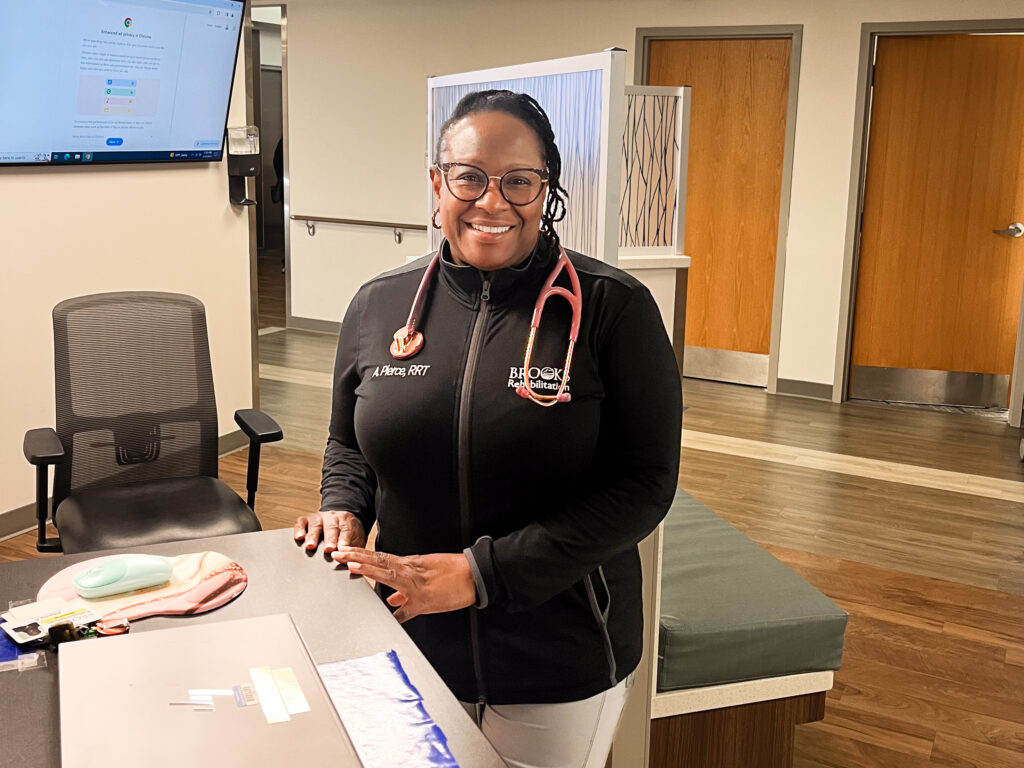
Respiratory therapy
Helps facilitate breathing recovery and prevent infection through exercises and specialized techniques.
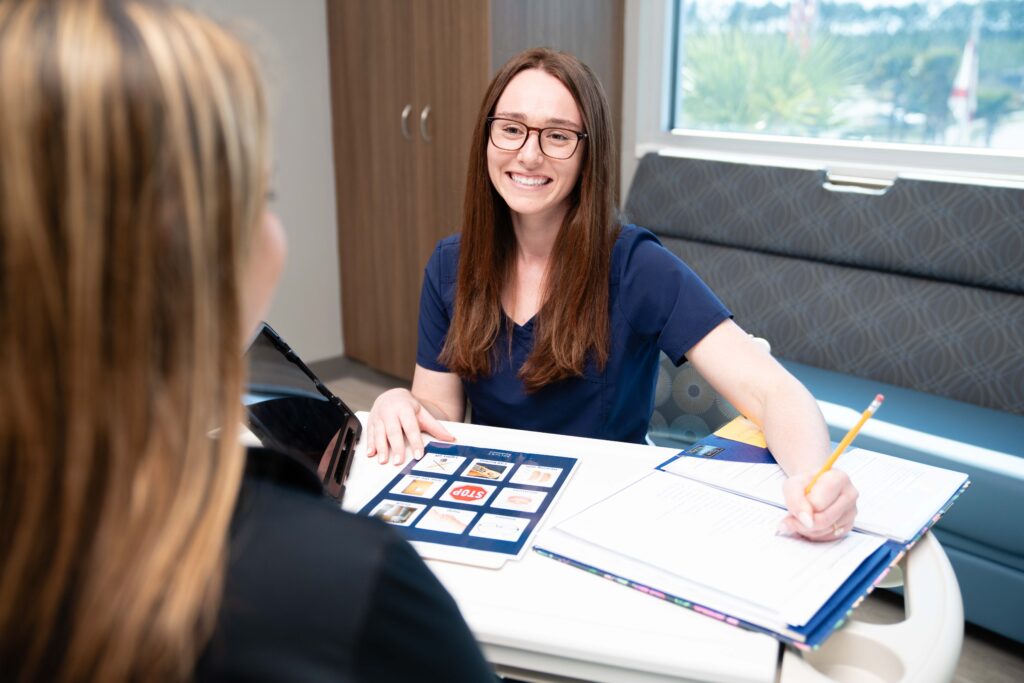
Speech therapy
Strengthens swallowing and voice/communication, particularly for lung and heart transplant patients.
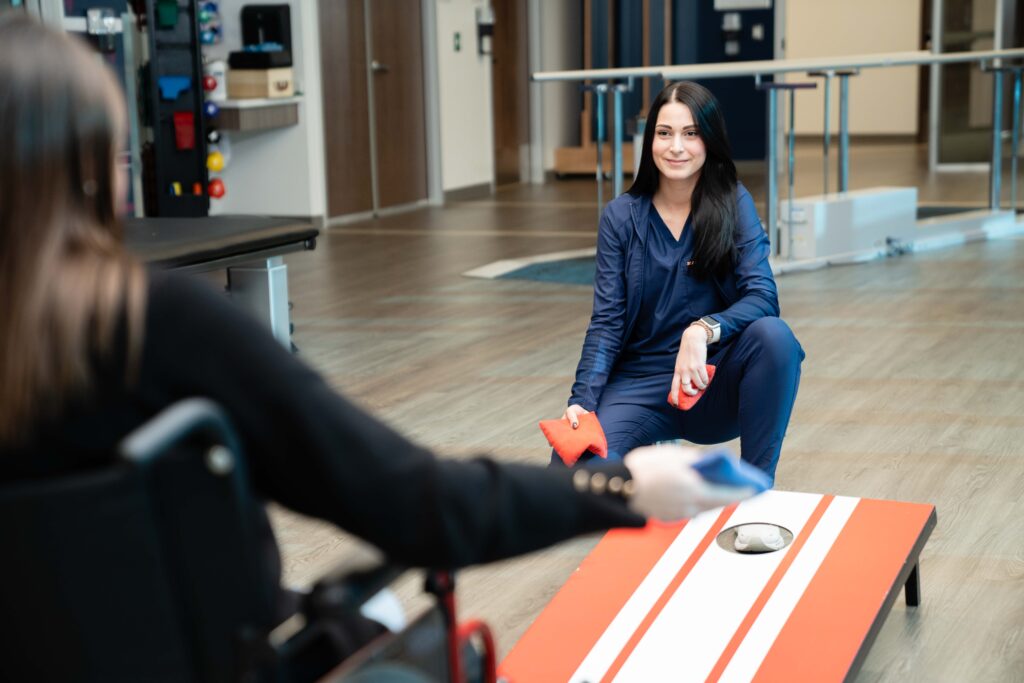
Recreational therapy
Enhances physical, cognitive and emotional recovery through the patient’s interests and hobbies.
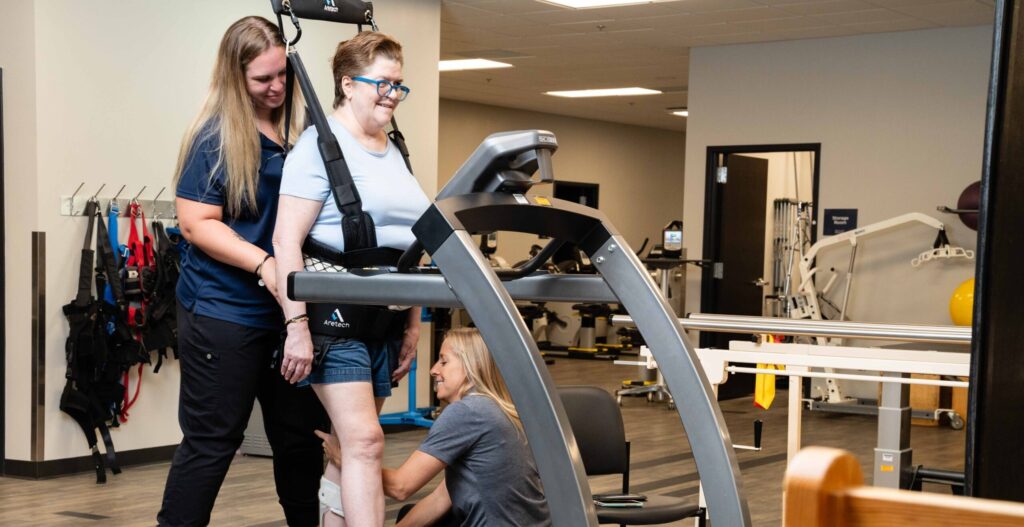
Technology-assisted rehabilitation
The latest in technology and innovation is available at Brooks Hospitals. A variety of technology is available onsite for gait, balance, motor skills and more.
To learn more about the rehabilitation therapy and care you receive at Brooks, click below.
Comprehensive medical care during recovery
Brooks skilled and knowledgeable clinicians provide the 24/7 medical care and support patients need after transplant surgery.
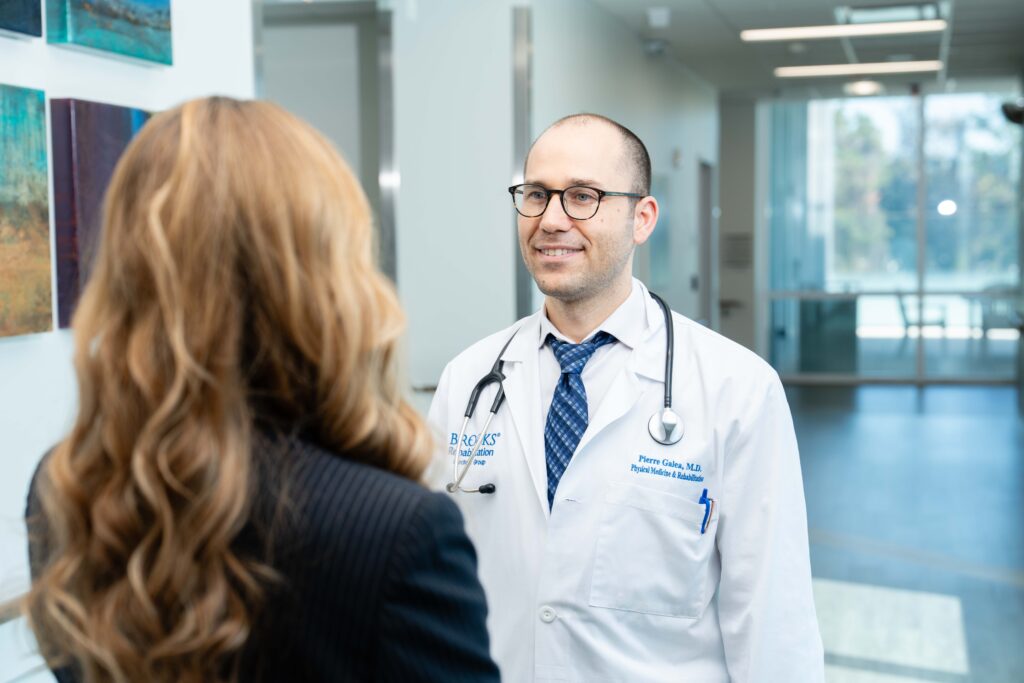
Care coordination with outside health care teams
Our team is committed to supporting recovery through care coordination with each patient’s transplant team. Communication with outside care teams is a top priority and a pillar on which the program was built.
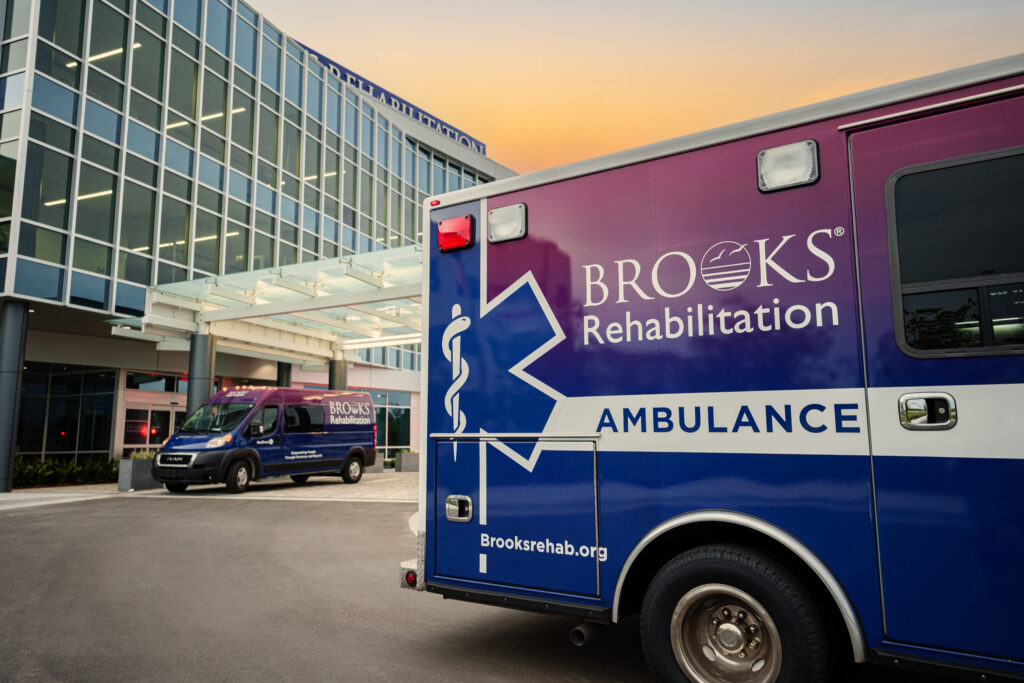
Offsite appointments and transportation
Lab testing and monitoring are important during recovery. Transportation arrangements are available for patients needing to visit their transplant care team periodically during rehabilitation.
Transplant patients and their families can expect the following medical care and education at Brooks’ inpatient hospitals:
Onsite dialysis
LVAD-trained medical staff

Lab and biopsy collection
Medication fulfillment onsite
Wound care

Bowel and bladder support

Caregiver training and education
Medication management

Nutrition/diet support
Recovery timeline for transplant patients
Patients and caregivers can expect approximately two weeks of care in an inpatient rehabilitation hospital, depending on the severity of rehabilitation needs. Therapy is tailored to the patient’s tolerance level. Recovery goals are focused around the patient’s interests and accomplishing every day tasks such as dressing, walking, eating, hygiene, hobbies and interests, as well as building endurance and muscle strength.
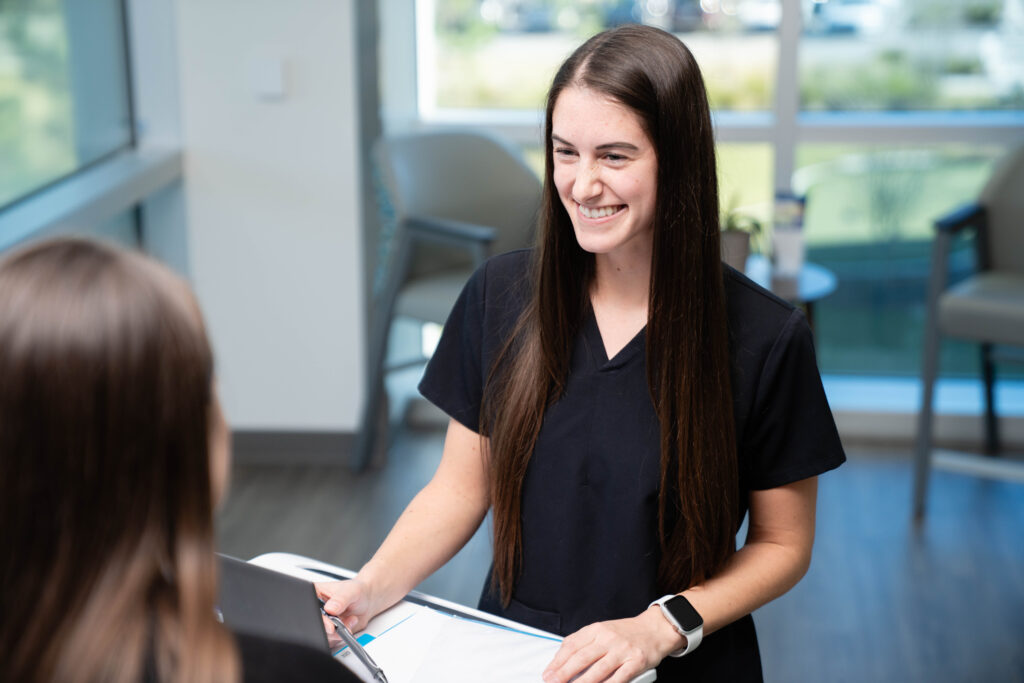
Continuity in care planning
Our care team will work with the patient and family to determine the appropriate next level of care before leaving our inpatient hospitals. Brooks is equipped to provide a continuum of care at each milestone.
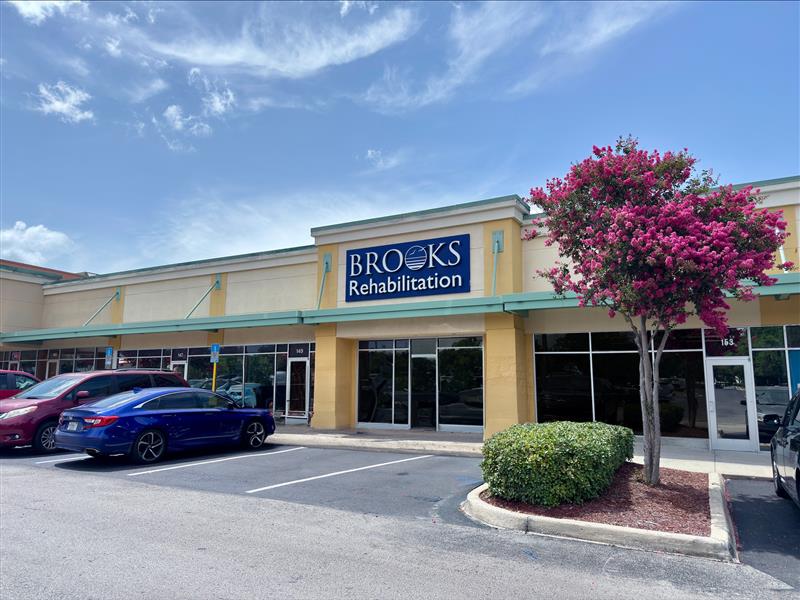
Ongoing rehabilitation after discharge
When a patient discharges from our inpatient hospitals, therapy and medical care may still be necessary and can continue through our home health care services or occasionally at our skilled nursing facilities. If the patient is not home bound, therapy can continue at one of our outpatient clinics.
Care settings for every milestone
No matter where a patient is on their recovery journey, Brooks has the ability to support their care from discharge to home and community reintegration.
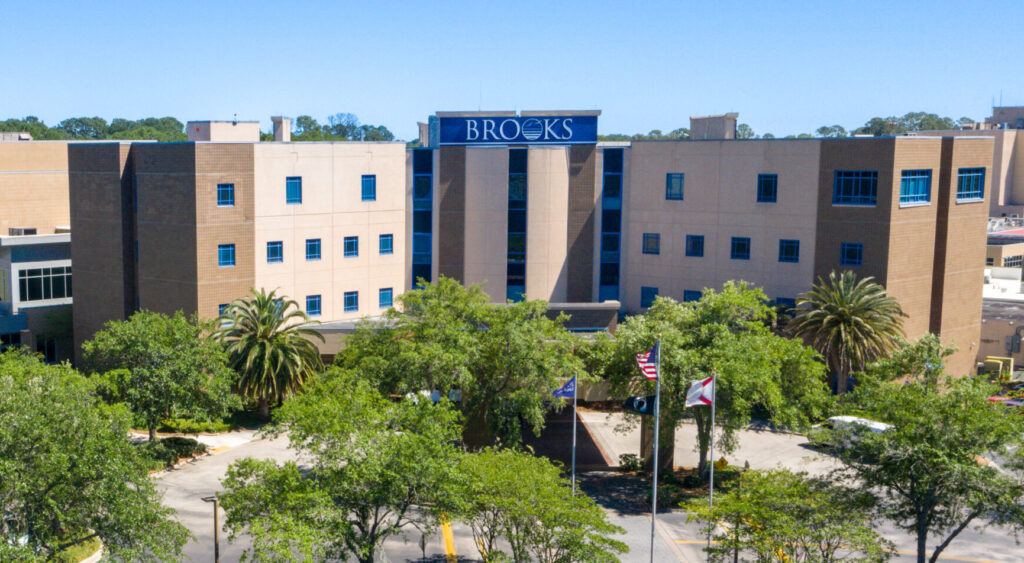
Rehabilitation Hospitals
24/7 rehabilitation hospital care with medical staff oversight. Provides 3 hours of therapy 5 days per week, tailored to the patient’s ability.
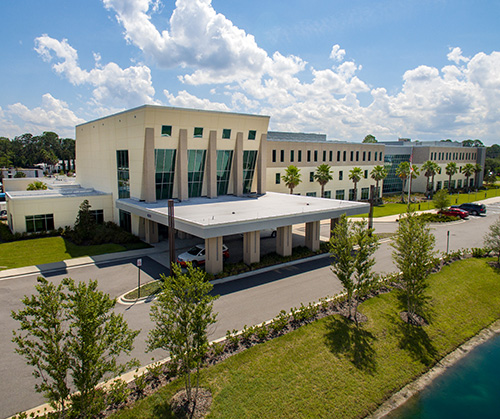
Skilled Nursing Facilities
Medical nursing care along with therapy services as the patient continues to recover.
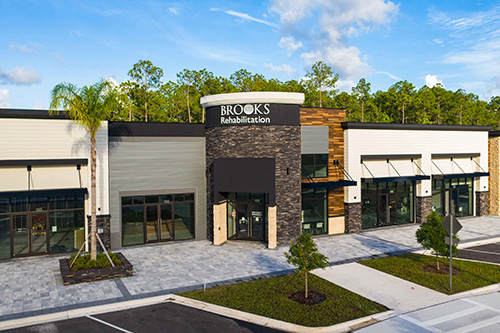
Outpatient Clinics
With over 50 clinics across Florida, continue cognitive therapy care after inpatient rehabilitation with Brooks’ highly knowledgeable clinicians.
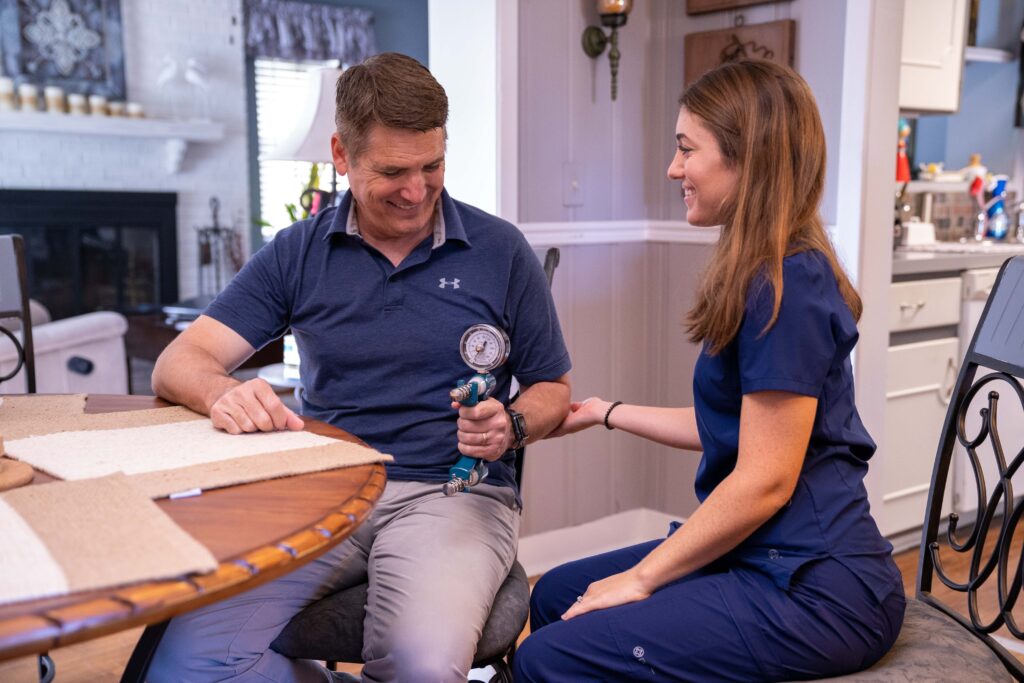
Home Health Care
Receive nursing, therapy and case management services in the home. Serving 23 Florida counties.
A continuum of care and therapy before and after initial rehabilitation
Brooks expertise in transplant rehabilitation and medical care goes Beyond inpatient care. Throughout our network of outpatient therapy clinics and home health care clinicians, our experienced clinicians can continue to guide patients into the next steps of their recovery journey.
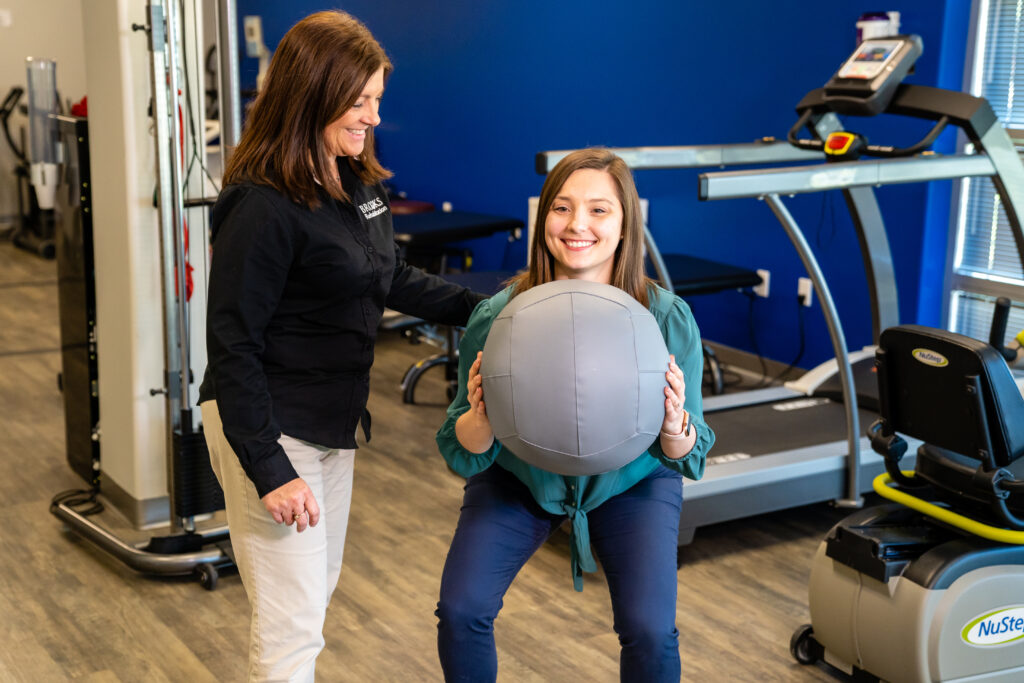
Pre and post rehabilitation with outpatient therapy
Before patients undergo transplant surgery, our team of outpatient therapists work with you to help build back strength and endurance for better outcomes after.
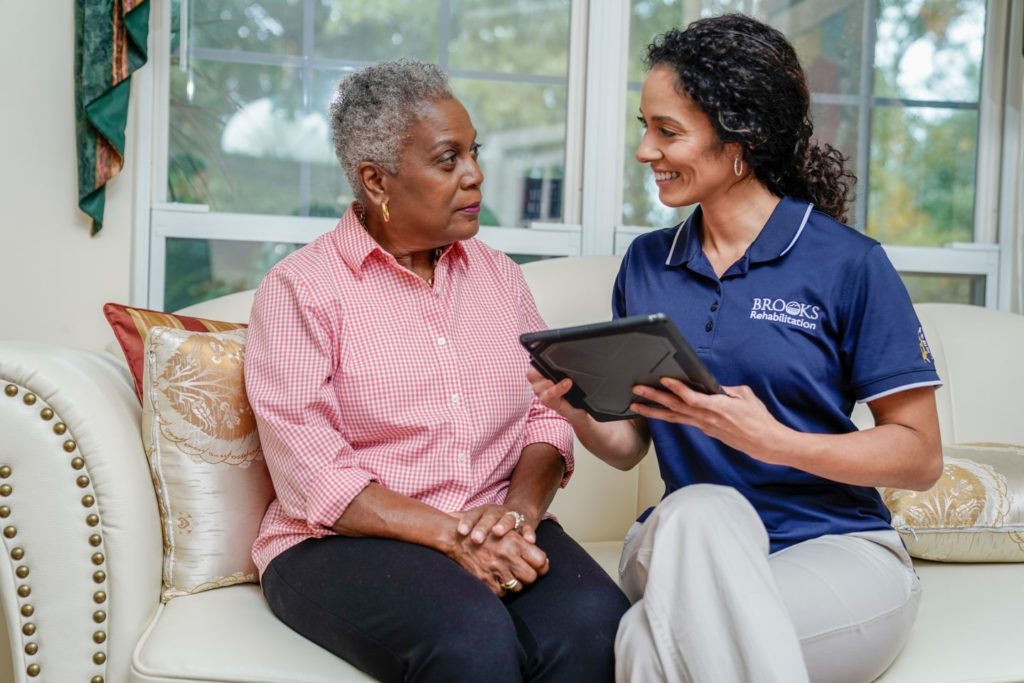
Specialized home health care
Operating in 23 Florida counties, our highly knowledgeable clinicians provide expert nursing and therapy care for patients at home. We also provide light-duty support in the home through Custom Care, our private duty CNA team.
Our transplant rehabilitation program leaders
Our programs are physician and clinician-led, ensuring comprehensive care across our system. The physicians, nurses and therapists at Brooks are the experts in their field and highly knowledgeable in the latest techniques and treatments for rehabilitation therapy and care.
 Steve Walczak, PT, DPT, PCS
Director of Rehabilitation, Brooks Rehabilitation Hospital - Bartram Campus
Steve Walczak, PT, DPT, PCS
Director of Rehabilitation, Brooks Rehabilitation Hospital - Bartram Campus
 Pamela Vitale, RN, BSN, CRRN
Director of Nursing, Brooks Rehabilitation Hospital - Bartram Campus
Pamela Vitale, RN, BSN, CRRN
Director of Nursing, Brooks Rehabilitation Hospital - Bartram Campus
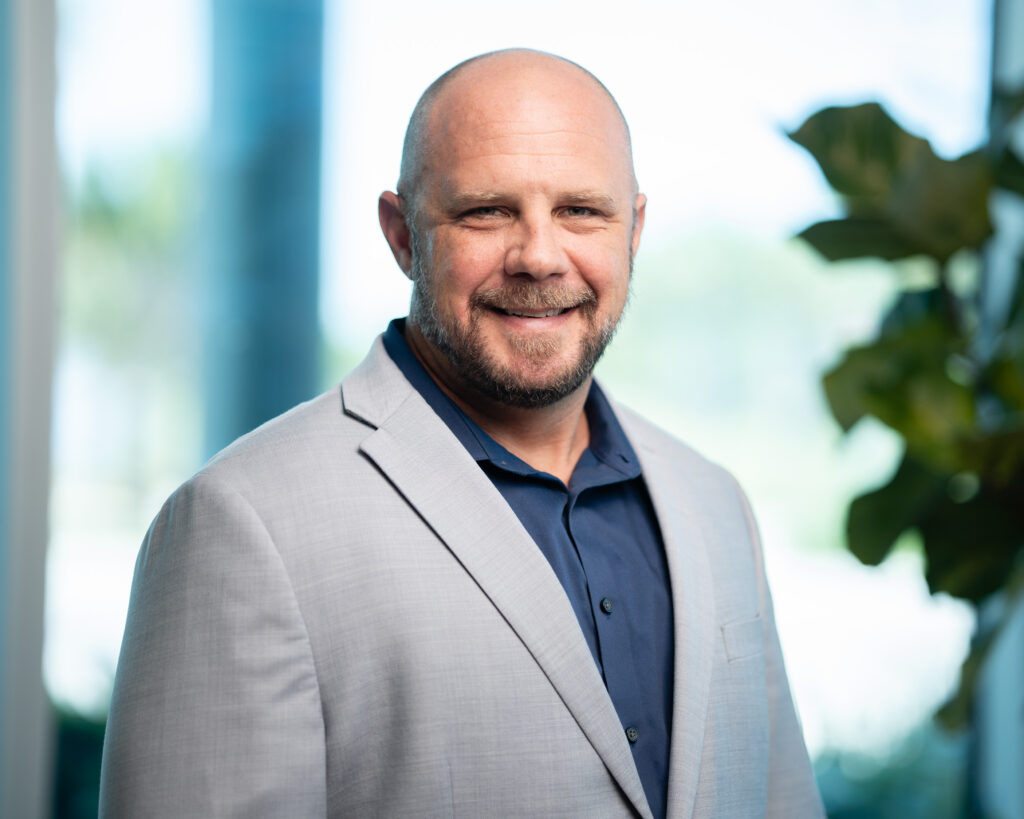 Adam Francis, RN, MSN, CRRN
Director of Nursing, Brooks Rehabilitation Hospital - University Campus
Adam Francis, RN, MSN, CRRN
Director of Nursing, Brooks Rehabilitation Hospital - University Campus
Nationally accredited patient-centered care
Brooks is the top-rated rehabilitation hospital in Florida and is ranked in the top 20 nationally by U.S. News & World Report. Caring for patients in the top 1% in complexity across the nation, Brooks’ hospitals hold national accreditations, including CARF and Magnet recognition for nursing.
Our commitment to excellence means every patient benefits from leading care, ongoing support and personalized attention.
Request Care
Brooks Rehabilitation accepts multiple insurance providers. We also provide self-pay options when insurance no longer covers treatment.
We work closely with hospitals and physicians locally, regionally, nationally and internationally, making the transition to inpatient rehabilitation and our system of care seamless.
Leading the way in organ transplant rehabilitation
Brooks Rehabilitation researchers, data teams, doctors and clinicians published a peer-reviewed research paper that defines and highlights what a successful organ transplant rehabilitation program provides and how it supports recovery in an inpatient hospital setting.
Learn more about the research and other award-winning projects from our Center for Outcomes Analytics and Research, below.