What is a multi-organ transplant?
A multi-organ transplant involves replacing more than one failing organ, sometimes during the same hospitalization. While these procedures often save a patient’s life, recovery tends to involve greater medical complexity, longer hospital stays and more significant physical weakness.
Supporting multi-organ transplant rehabilitation
Multi-organ transplant rehabilitation at Brooks supports people recovering from the transplant of more than one organ. These patients may have had procedures such as heart-lung or liver-kidney transplants and need close management while rebuilding strength.
Recovery after a multi-organ transplant takes time. Because more than one organ is involved, recovery requires careful coordination and close medical oversight. Rehabilitation is designed to support progress in each organ system at a pace that prioritizes your safety and stability.
Care team and approach
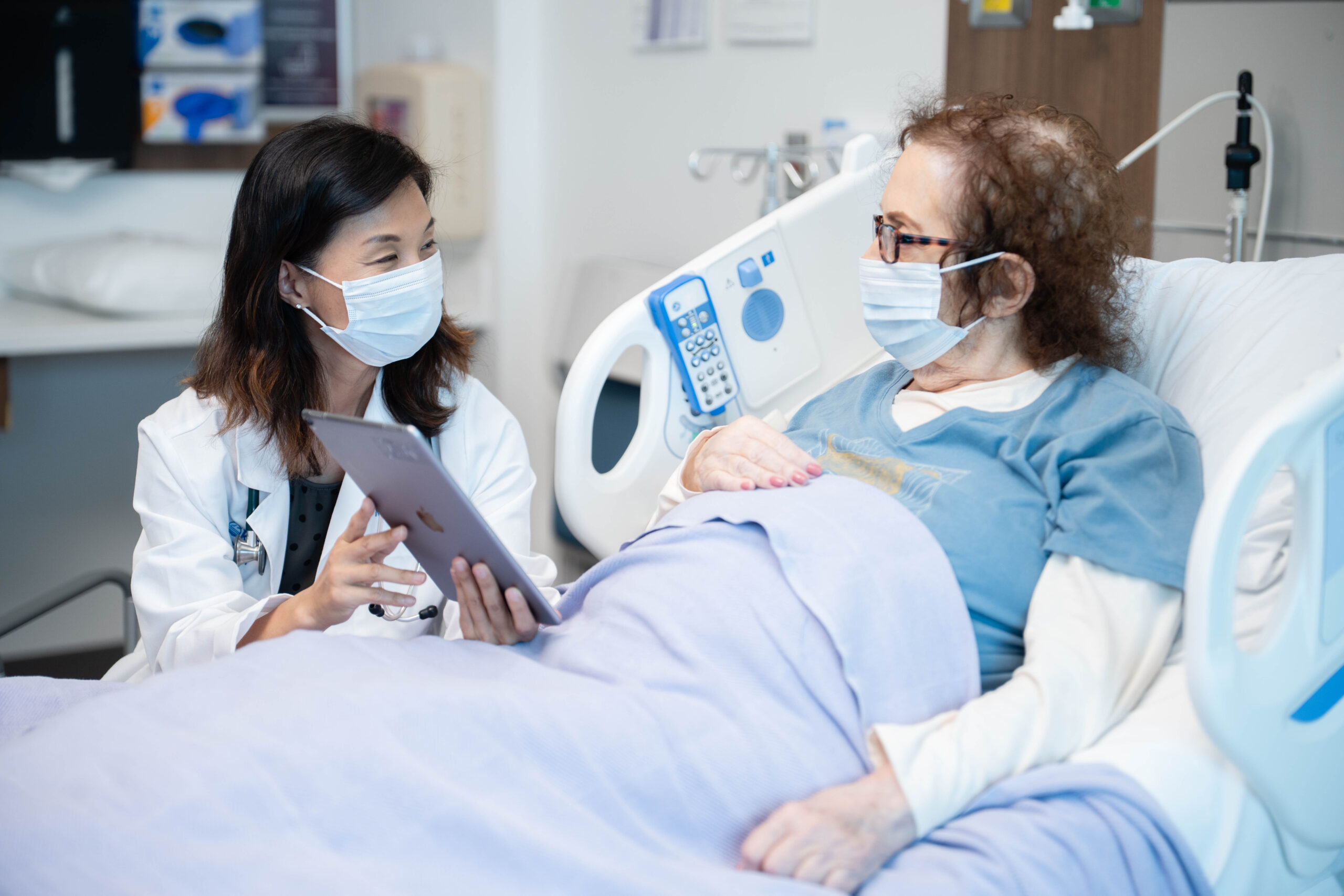
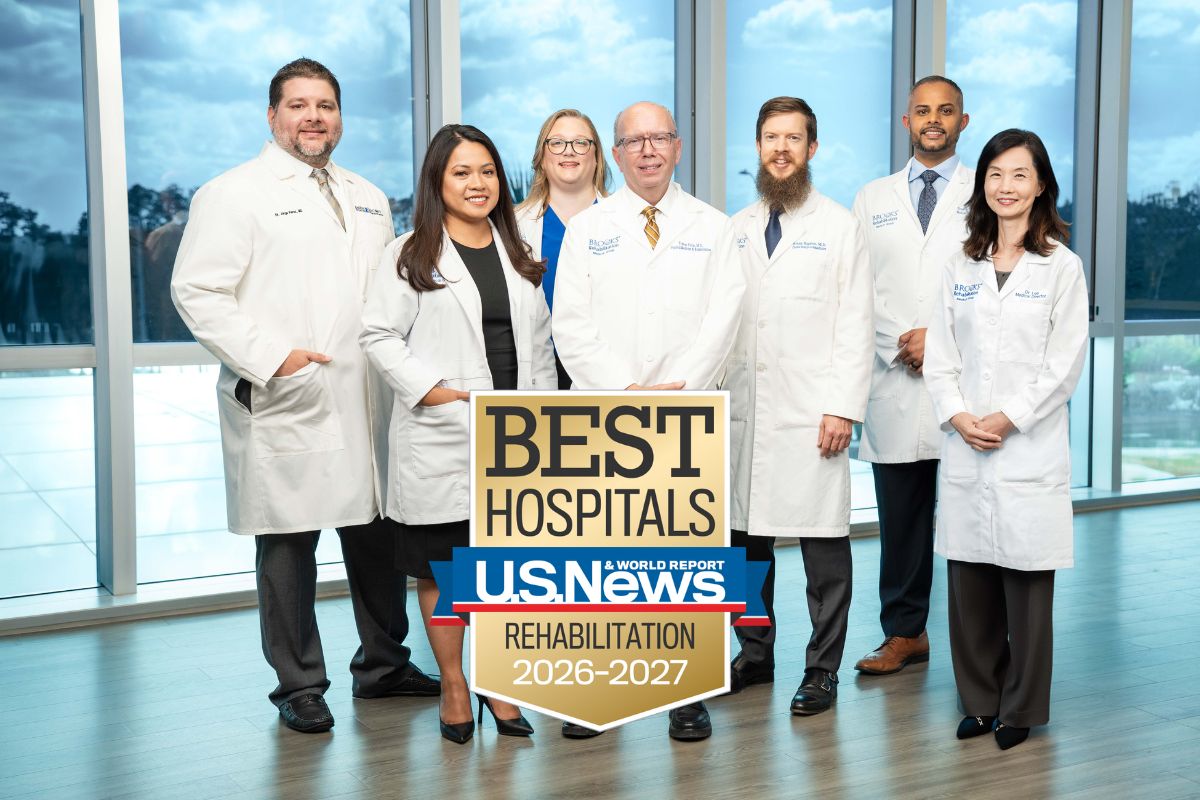
We deliver multi-organ transplant rehabilitation through a highly coordinated approach with specialists in each organ affected. Your care team, led by board-certified physical medicine and rehabilitation physicians, may include nurses, dietitians, psychologists, therapists and case managers.
You may also receive:
- Physical therapy to rebuild strength, balance and endurance after transplant, supporting safe movement as multiple body systems recover
- Occupational therapy to make daily activities more manageable as you regain independence and adapt to new routines
- Respiratory therapy to address breathing, energy levels and activity tolerance as your body adjusts and heals after a multi-organ transplant
- Speech therapy to support safe swallowing, advance your diet and address memory or cognitive changes that may occur after a prolonged hospitalization
Our team works closely with your transplant center to coordinate medications, lab monitoring, follow-up appointments and therapy. Because your recovery involves multiple systems, we review care plans and adjust them frequently to support safe, steady progress toward independence.
Why choose Brooks Rehabilitation for multi-organ transplant rehabilitation?
Brooks specializes in caring for people with complicated recoveries. We focus on safe progress, coordinated care and helping you return home feeling stronger and supported. Our multi-organ transplant rehabilitation program supports some of the most medically complex recovery needs.
Highlights of our program include:
- Advanced care for complex transplant recovery: Our team is experienced in caring for people recovering from multiple organ transplants, including the most complicated cases. We prioritize close management to support your safety and progress during rehabilitation.
- Coordination with transplant centers: Brooks works closely with your transplant team to align rehabilitation with lab monitoring, medications and follow-up care.
- Specialized rehabilitation technology: Brooks uses leading-edge rehabilitation tools, such as the AlterG anti-gravity treadmill, body-weight support systems and advanced gait-training technology. This strategy helps you rebuild mobility while minimizing strain.
- Patient and caregiver support: We help patients and families understand recovery needs, manage daily routines and prepare for a safe transition home.