What is an organ transplant?
An organ transplant replaces a failing organ when other treatments are no longer effective. While transplant surgery can be lifesaving, the recovery often involves physical weakness, fatigue and ongoing medical care after prolonged illness and hospitalization.
At Brooks, our organ transplant rehabilitation program helps support your healing while gradually rebuilding strength, mobility and confidence. The goal is for you to safely move toward living at home again.
Types of organ transplants
Brooks Rehabilitation provides specialized care for people recovering from organ transplants, including:
Each type of organ transplant affects the body in different ways. Rehabilitation plans are designed around the specific organ transplanted and your needs as you recover.
Rehabilitation to support recovery after transplant
Organ transplant recovery involves ongoing care and attention as your body heals. At Brooks, rehabilitation supports each part of your healing with coordinated, specialized care.
Our approach includes:
- Actively supporting transplant health: We work closely with transplant teams, using regular lab results and follow-up care, to help ensure your body accepts the new organ.
- Improving endurance: Care plans gradually increase stamina, so everyday activities feel more manageable.
- Rebuilding strength: Therapy focuses on restoring muscle and nerve function affected by illness or long hospital stays.
- Reducing infection risk: Our teams understand the effects of immunosuppressant medications and follow careful management and infection-prevention practices throughout your rehabilitation.
- Supporting surgical healing: Care includes pain management, incision protection and vital sign support.
Care team and approach
Organ transplant rehabilitation at Brooks is delivered through a coordinated approach between specialists. This team works closely with transplant centers to organize your medications, lab monitoring and follow-up appointments. Care plans are adjusted based on how your body responds, with the goal of helping you return home safely and confidently.
Your care team may include:
- Case managers
- Dietitians
- Nurses
- Physical, occupational and respiratory therapists
- Physicians
- Psychologists
Care that adjusts to your organ transplant recovery needs
Recovery after an organ transplant happens step by step. At Brooks, rehabilitation is set up so you can move through different types of care as your strength, health and independence improve. Your care team helps guide each transition, so you always have the level of support you need.
Inpatient rehabilitation
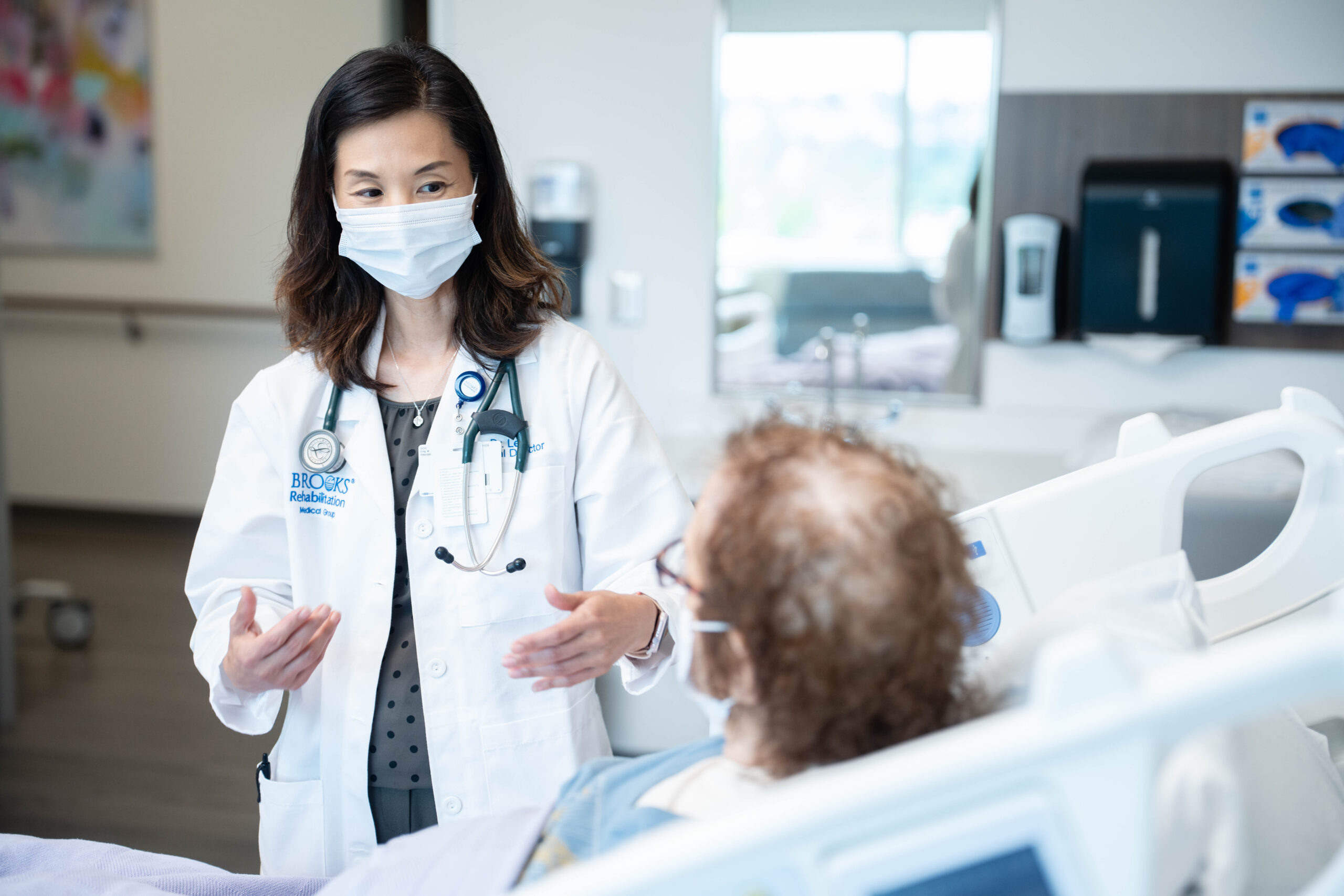
Inpatient rehabilitation is often the first step after transplant surgery or a long hospital stay. With this level of care, you receive extra support while your body heals, including:
- Around-the-clock support from nurses and doctors
- Care that focuses on strength, endurance and everyday activities
- Daily therapy and medical care
Outpatient rehabilitation
As you get further along in your recovery, you may move to outpatient rehabilitation, which includes:
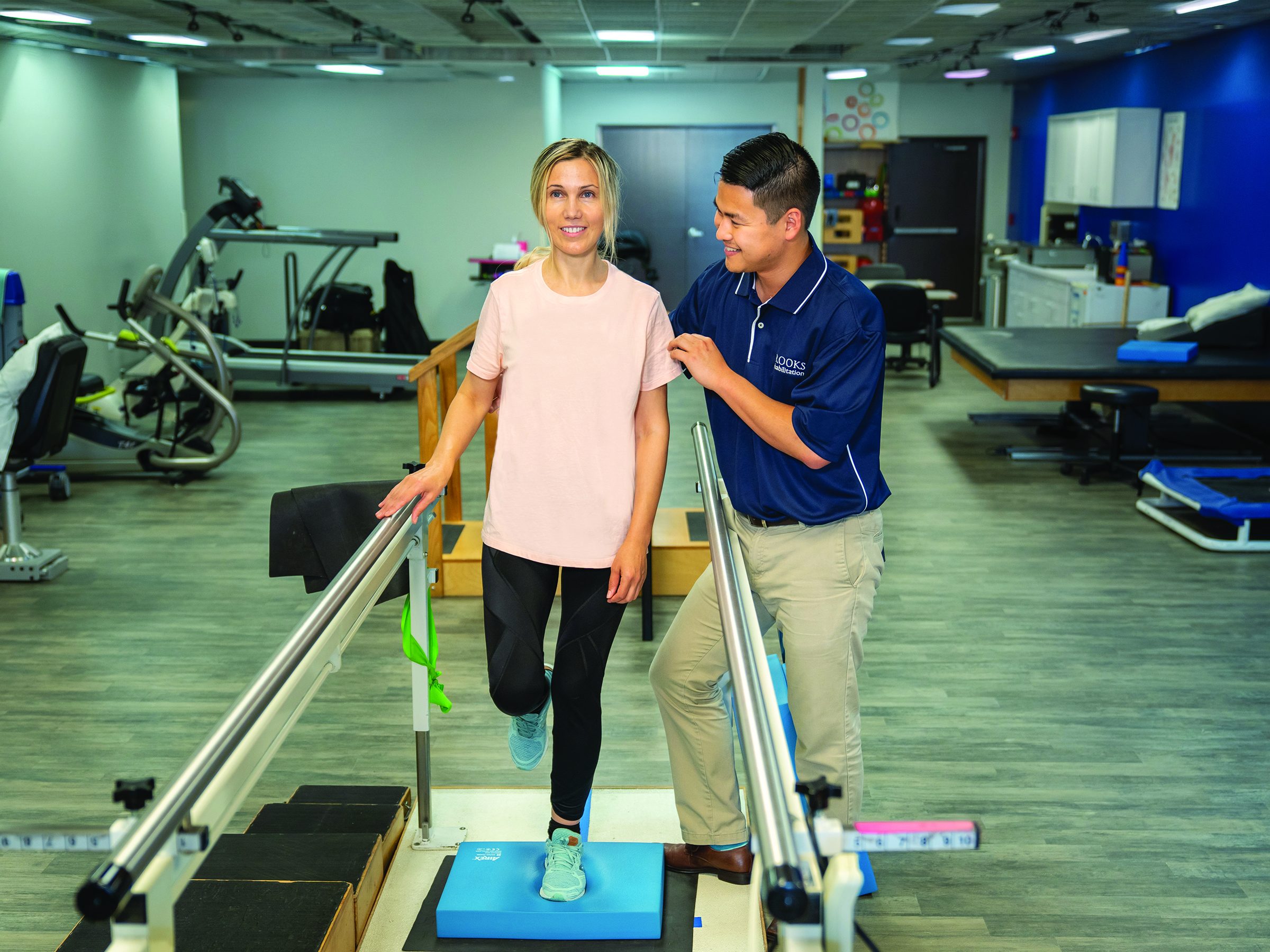
- Care focused on building strength, balance and stamina
- Continued progress with the appropriate level of medical management
- Scheduled therapy visits at your home
Home health rehabilitation
Some people receive rehabilitation at home during recovery. Home care can be a short-term step before outpatient therapy or full independence. With this type of rehabilitation, care is provided in your home and focuses on safety, movement and daily routines.
How we help you move between levels of care
There is no set timeline for recovery. Your care team helps decide what comes next based on how you’re doing. This approach helps support a smooth recovery and transition from hospital to home.
To determine your appropriate level of care, we:
- Check your strength, endurance and medical needs regularly
- Coordinate care with your transplant team
- Plan next steps so therapy continues without gaps
Organ-specific transplant rehabilitation
Learn more about rehabilitation for specific transplant types:
Why choose Brooks for organ transplant rehabilitation?
At Brooks, organ transplant rehabilitation supports complex recovery while helping you safely regain strength and independence.
Highlights of our program include:
- Coordination with transplant centers: Brooks works closely with your transplant team to align therapy with lab monitoring, medications and follow-up care.
- Experience with complex transplant recovery: Transplant specialists trust us to care for patients with highly complex transplant needs, including those referred for specialized rehabilitation.
- Leading rehabilitation technology: Brooks uses specialized rehabilitation technology, such as body-weight support systems and anti-gravity treadmills, to support safe movement and gradual strength building.
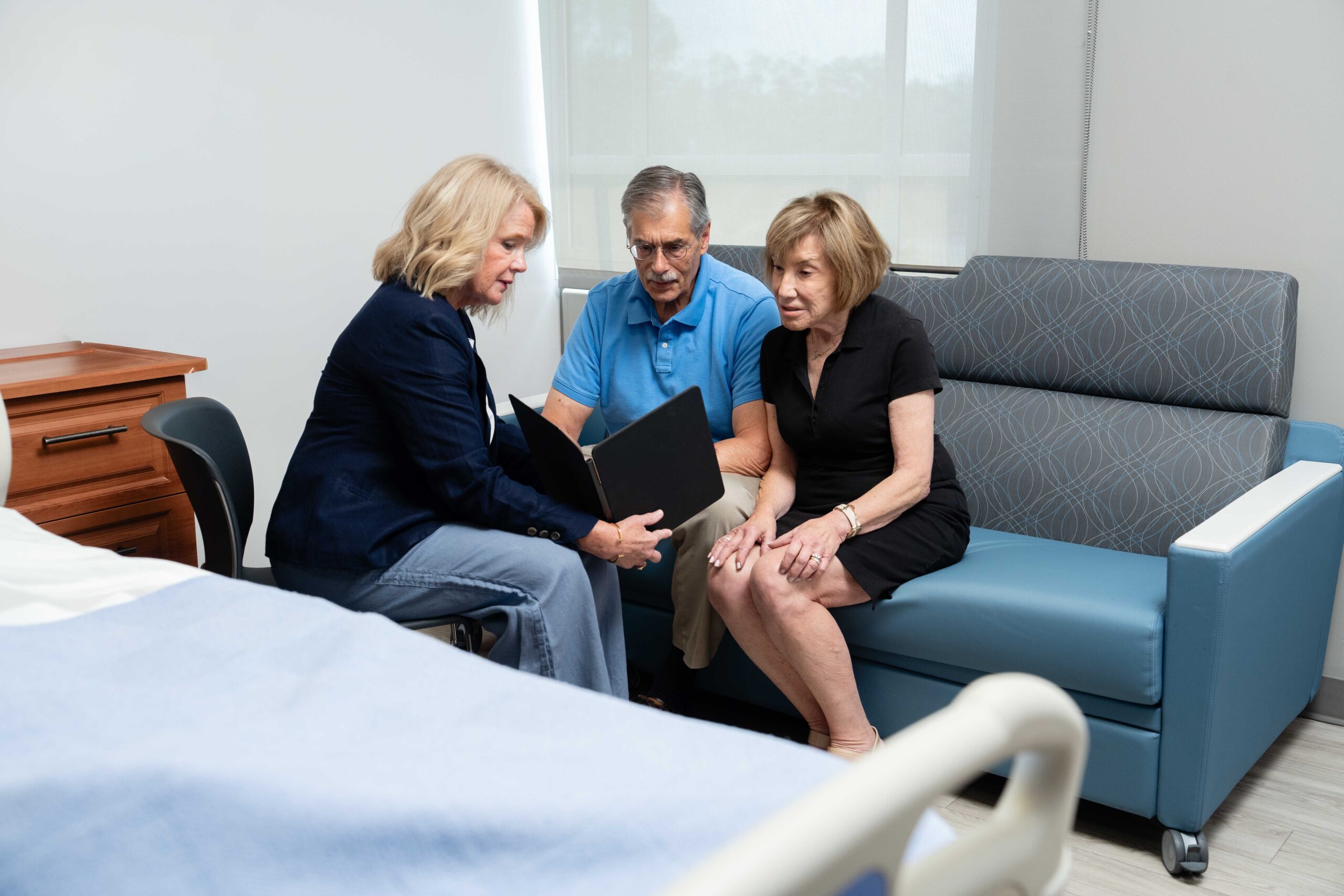
- Patient and caregiver support: We prepare families and patients through personalized education for continued recovery, daily routines and the transition home. Caregivers may stay on-site during rehabilitation to help support their loved one’s progress. Talk to your care team to learn about the options we have for families and caregivers.
- A 5-year clinical study1 looked at Brooks’ transplant rehabilitation program and found that patients made meaningful improvements. The study found that most patients were able to return home after our rehab, and care was delivered with a strong focus on safety and quality.