Heart Transplant Rehabilitation
Rehabilitation is an essential part of heart transplant recovery. It helps you rebuild strength, restore endurance and safely return to daily life. Brooks offers a specialized heart transplant rehabilitation program designed to support complex recovery needs.
What is a heart transplant?
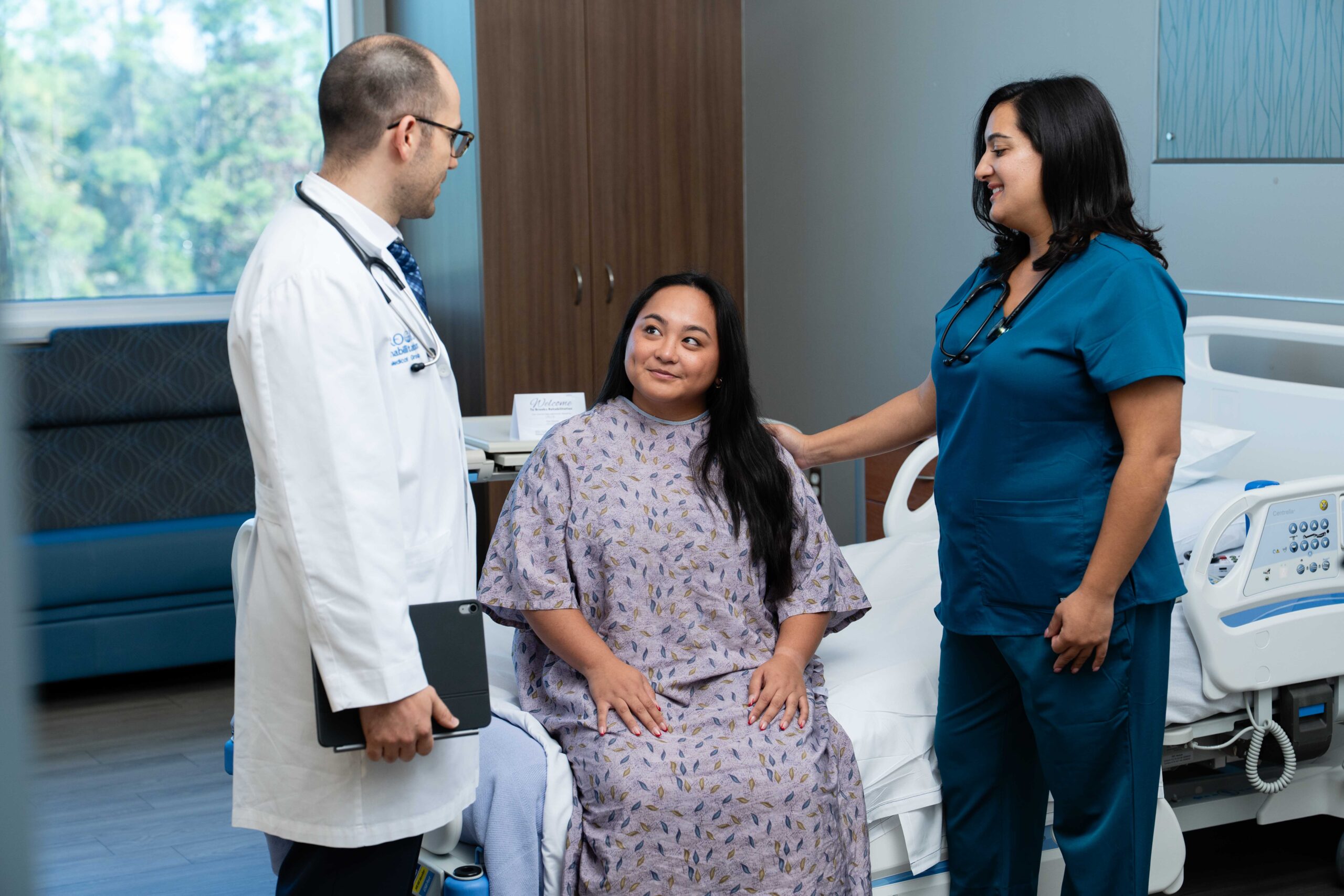
A heart transplant is a life-saving procedure that can also bring physical challenges during recovery. Changes in strength, stamina and how the heart responds to activity are common after surgery. With specialized rehabilitation and medical support, you can regain confidence, improve heart function and move forward with a full life.
How heart transplant rehabilitation supports recovery
Recovery after a heart transplant can feel unsettling at first. You may notice fatigue, lightheadedness or changes in blood pressure during activity. These changes are expected as your body adjusts to the new heart.
Cardiac transplant rehabilitation at Brooks helps guide your recovery with close management and a thoughtful approach. We track your symptoms and comfort level, in addition to your heart numbers, to safely build strength and confidence.
Common challenges after heart transplant
Because the nerves that normally regulate your heart rate are no longer connected (they may gradually regenerate over time), your heart may respond to activity differently. These new responses may cause fatigue, blood pressure changes and uncertainty about exertion during recovery.
Additionally, as you recover from a heart transplant, you often need close management of medications, nutrition and overall healing. Ongoing follow-up care — such as lab work and biopsies to check how the new heart is functioning — is also part of recovery. At Brooks, we address these challenges with you, focusing on medical stability, daily function and safe, steady progress toward life at home.
What to expect with heart transplant rehabilitation
Your team checks your symptoms regularly. If you’re experiencing fatigue or lightheadedness, for example, we work closely with your transplant team and adjust care as needed. We also coordinate follow-up appointments or biopsies so you can continue rehabilitation to protect your new heart.
During heart transplant rehabilitation, recovery includes:
- Augmenting your nutrition and healing
- Helping you regain confidence in daily routines
- Managing your medications
- Supporting how your body responds to activity
Why choose Brooks for heart transplant rehabilitation?
At Brooks, heart transplant rehabilitation is delivered through a dedicated program designed to support complex recovery. You benefit from coordinated medical care, specialized rehabilitation expertise and close collaboration with your transplant team. We work to ensure your recovery continues safely and smoothly.
Highlights of our program include:
- Advanced rehabilitation technology: Brooks uses specialized rehabilitation technologies such as the Andago body-weight support system, robotic-assisted therapy and Aretech’s ZeroG Gait and Weight Balance System. These innovative tools help reduce strain, support safe movement and gradually rebuild strength and endurance as your recovery progresses.
- Dedicated transplant rehabilitation team: Heart transplant rehabilitation at Brooks is a specialized rehab program. Physicians, nurses, therapists, dietitians, psychologists and case managers work together to support all aspects of your care, addressing the full scope of healing.
- Family and caregiver support: Brooks provides education and training for patients and their caregivers. This knowledge helps families feel prepared to step into daily routines, follow-up care and the transition home.
- Seamless coordination with transplant centers: We work closely with transplant teams to coordinate lab monitoring, medication adjustments, follow-up appointments and biopsies when needed. When off-site appointments occur, we arrange care after surgery, so your therapy continues without interruption.
- Specialized care for complex heart transplant recovery: People recovering from a heart transplant often face unique challenges. These trials may include fatigue related to changes in oxygen use, blood pressure fluctuations and heart rate readings that don’t reflect exertion. Our team is experienced in managing these changes closely. We adjust your care based on symptoms and tolerance, so rehabilitation can progress safely.
FAQs about heart transplant rehabilitation
After a heart transplant, the nerves that normally help regulate heart rate are no longer connected, although they may slowly regenerate over time. Because of this, heart rate may not increase or decrease the way it did before, which is expected during recovery.
Heart transplant rehabilitation responds to symptoms, blood pressure and overall tolerance to activity rather than heart rate alone. Your care team checks in frequently and adjusts therapy to support safe progress.
Yes. Fatigue and lightheadedness are common after a heart transplant, especially as your body adjusts and endurance rebuilds. Rehabilitation helps guide activity safely by paying close attention to how you feel, instead of just looking at numbers.
Become a Patient
Find out more about becoming a patient and learn more about heart transplant rehabilitation.Latest News and Health Resources
Education and guidance to support your recovery
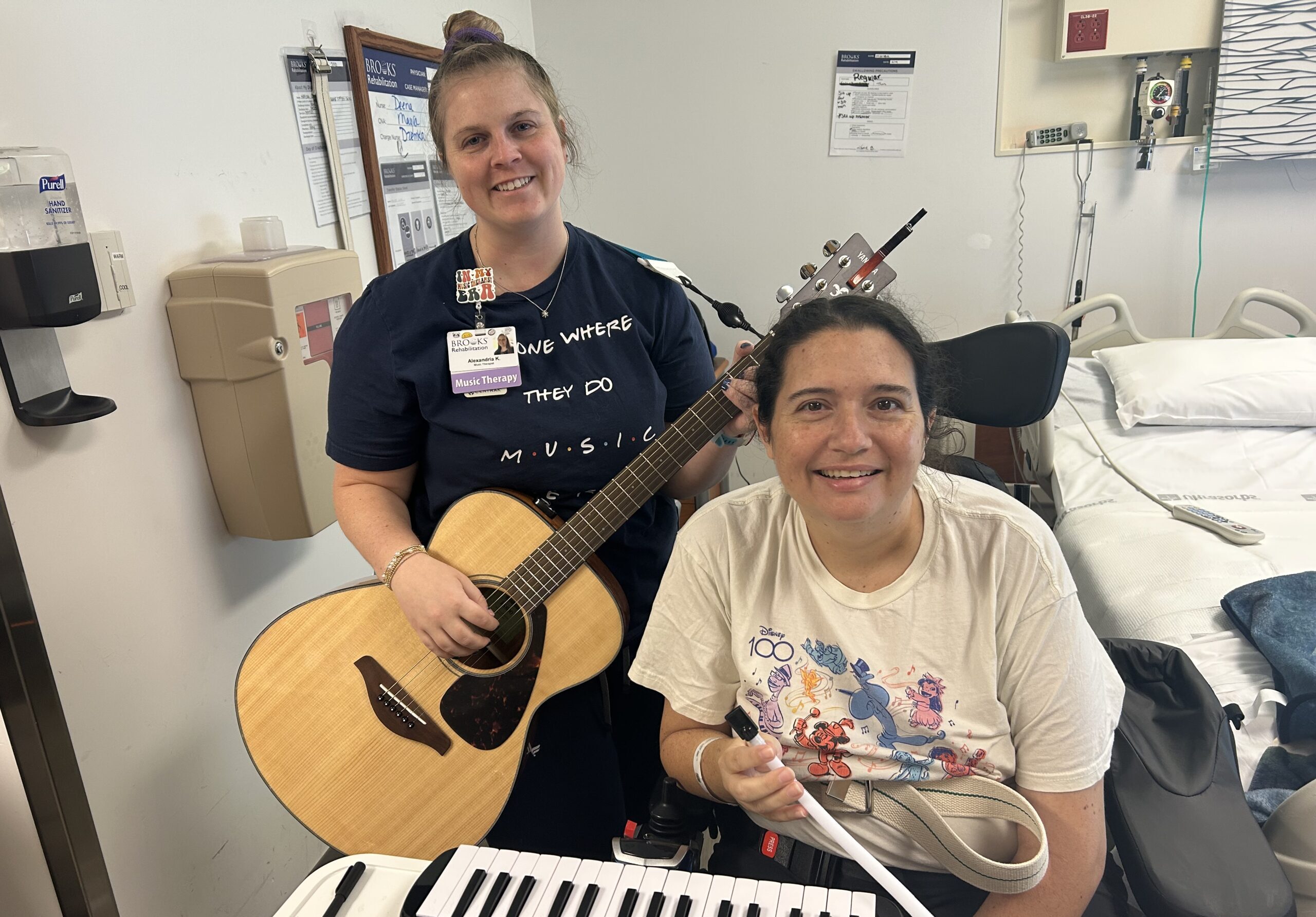
How a Music Teacher’s Stroke Recovery Was Transformed Through Music Therapy
Music has always been at the heart of Marissa Colon's life. From playing the violin in sixth grade to earning a degree in music education, music has always been at the forefront...