What is Occupational Therapy and How Does it Support Recovery?
Back to Resource Hub
What is occupational therapy?
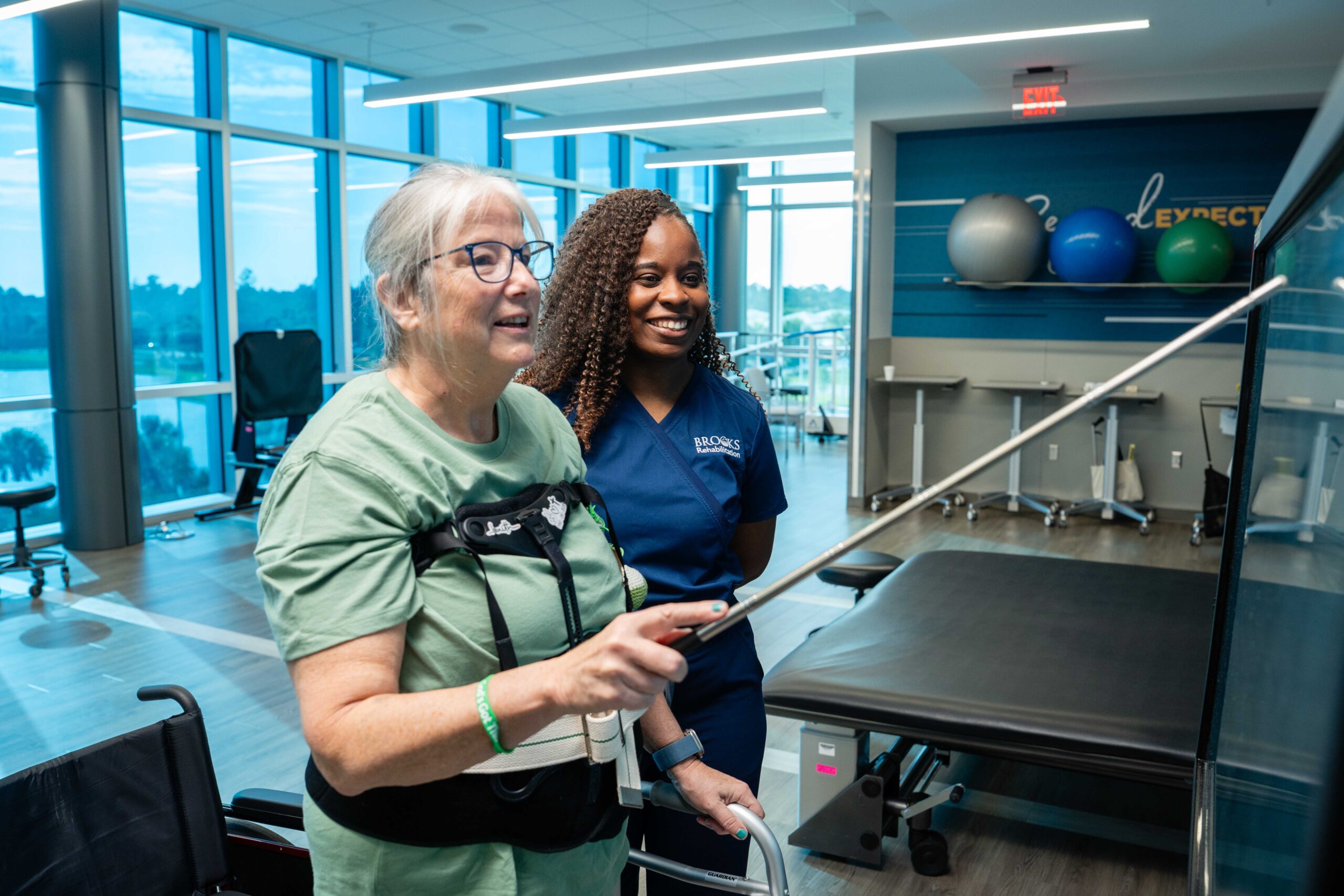
Occupational therapy (OT) is a healthcare profession that helps people be more independent in daily life at work, home and in the community.
In simple terms, occupational therapy looks at the whole person: body, mind, feelings and daily life to help them perform everyday activities more easily after an injury or illness.
What is occupational therapy used for?
Occupational therapy is used to help people of all ages overcome challenges or limitations that prevent them from fully participating in life.
“Someone may need occupational therapy if they are having trouble doing everyday tasks that help them get through the day,” says Christine Gopal, OTR/L, CEAS, an occupational therapist at Brooks Rehabilitation.
Some of the different ways occupational therapy supports recovery include:
- Regaining Independence: Assists people with recovering or improving their ability to perform daily living activities such as dressing, cooking, brushing teeth or managing a house after an injury, illness or surgery.
- Physical Rehabilitation: Helps people recover from conditions like strokes, spinal cord injuries, traumatic brain injuries, arthritis or fractures by improving strength, coordination and mobility.
- Cognitive and Developmental Support: Helps people with cognitive impairments, developmental delays or learning disabilities.
- Mental Health: Addresses emotional or psychological barriers, such as anxiety, depression or trauma, which are reduce a person’s interest in daily activities
- Life Changes: Supports individuals in adapting to new circumstances such as aging, a new disability or chronic illness. This is typically done through adaptive equipment, modifying environments or teaching new skills.
- Workplace and Ergonomics: Prevents injuries and improves productivity by addressing workplace ergonomics and teaching proper techniques for physical tasks.
- Pediatrics: Helps children with developmental or sensory challenges improve their ability to participate in school, play and other activities.
- Social Activities: Enables people to better engage in hobbies, recreational activities or community roles that are important to them. This can include pickleball, fishing, sewing or gardening.
What is the difference between occupational therapy and physical therapy?
Physical therapy and occupational therapy differ in their focus and approach to improving a person’s quality of life.
“Physical therapy helps people move better,” says Gopal. “Occupational therapy helps people do the everyday tasks that are important in their lives.”
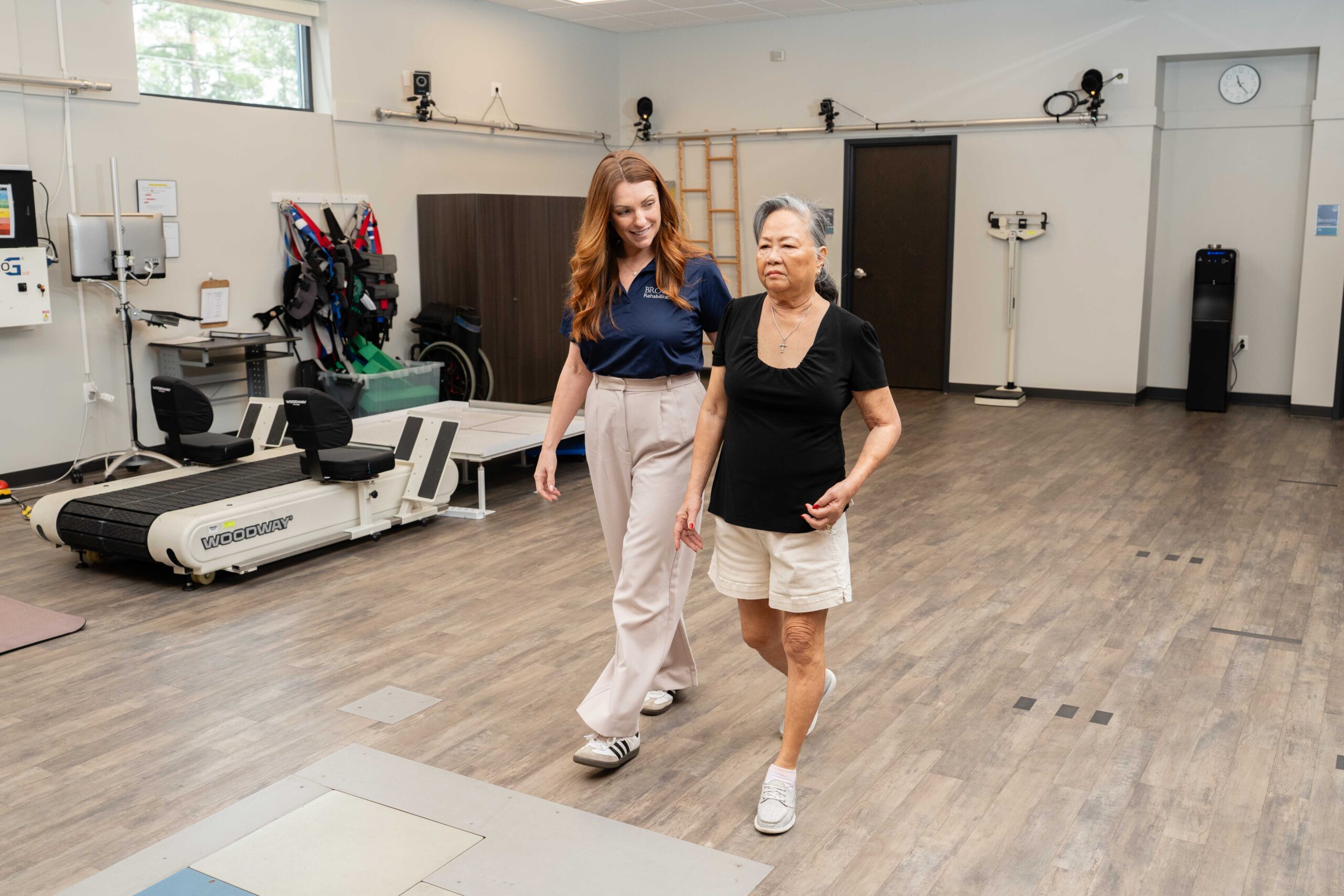
Physical therapy focuses on restoring physical function, reducing pain and improving overall mobility, particularly after an injury, illness or surgery. It aims to enhance a person’s ability to move and function, often focusing on activities like walking, standing or maintaining balance.
Occupational therapy takes a broader approach and emphasizes helping people regain independence in activities such as grooming, cooking, childcare or recreational pursuits like sewing or fishing, rather than focusing on physical movement. 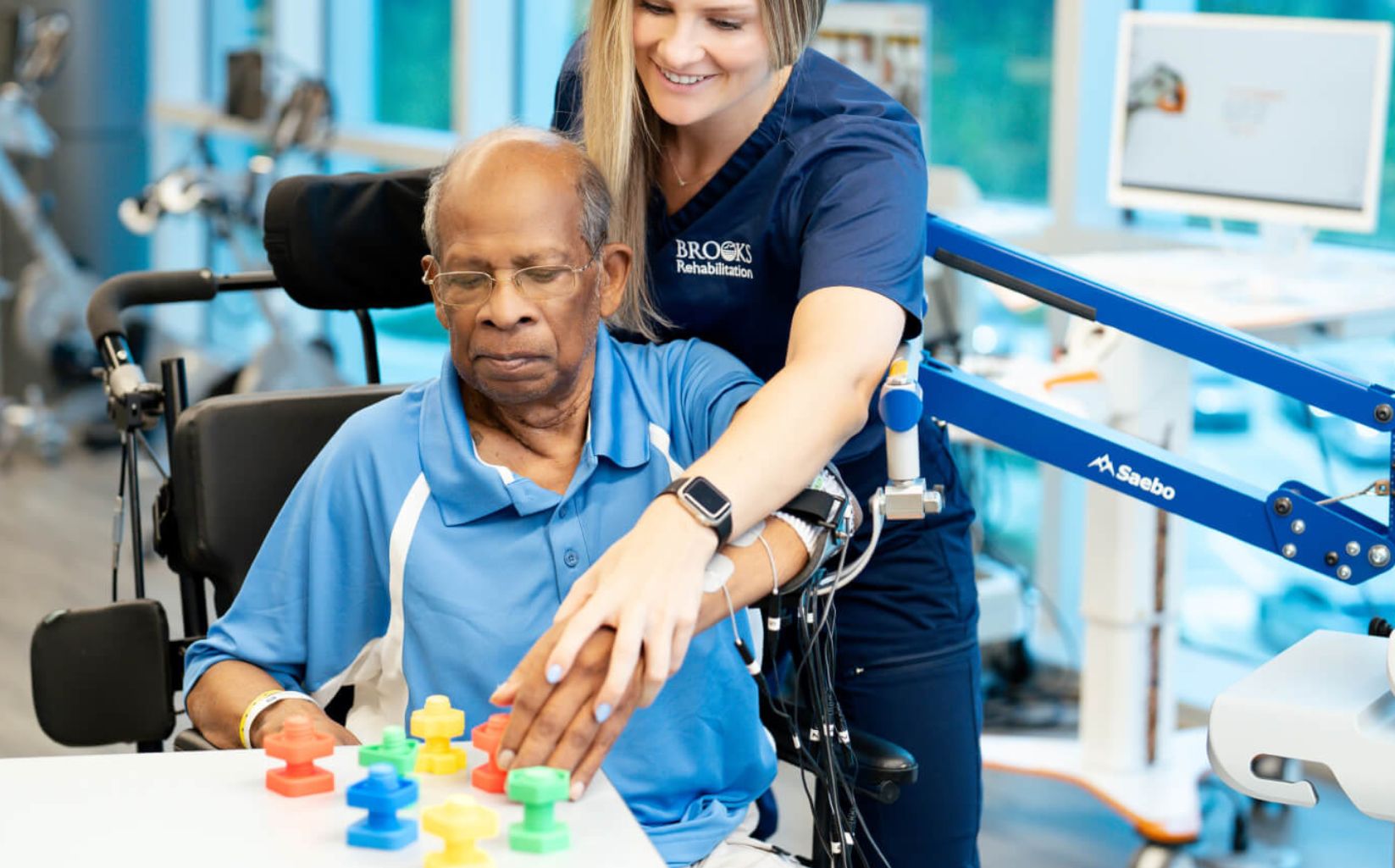
A key component of occupational therapy is improving fine motor skills, which involve precise movements of the hands and fingers, such as writing, buttoning or threading a needle, enabling individuals to perform meaningful tasks and activities that are essential to their daily lives and personal identities.
Where does occupational therapy take place?
Occupational therapy is practiced in a variety of settings including, but not limited to:
- Healthcare facilities such as hospitals, rehabilitation centers, skilled nursing facilities and outpatient clinics.
- At schools to support children with developmental delays or learning challenges.
- In workplaces to address injury prevention or healthy living.
- Community settings such as assisted living facilities and mental health centers.
- Specialized areas of health care such as NICUs (neonatal intensive care unit), hospice care and home health.
What types of conditions do occupational therapists treat?
Occupational therapists treat a wide variety of conditions that affect an individual’s ability to perform tasks of daily living. These conditions include, but are not limited to:
Orthopedic conditions
- Wrist fractures
- Tendon injuries (e.g. lacerations)
- Frozen shoulder
- Carpal tunnel
- Nerve-related conditions (e.g. tendinitis)
- Amputations and prosthetic training
- Joint replacements (e.g. hip or knee)
Neurologic conditions
- Strokes
- Spinal cord injuries (SCI)
- Traumatic brain injuries (TBI)
- Parkinson’s disease
- Multiple sclerosis (MS)
- Functional movement disorders
- Guillain-Barre syndrome
- Cerebral palsy
Chronic conditions
- Arthritis
- Lymphedema
- Cancer recovery
- Transplant recovery
- Neurodegenerative diseases (e.g. Alzheimer’s disease)
- Osteoporosis
Pediatric and developmental conditions
- Autism spectrum disorder (ASD)
- Attention deficit hyperactivity disorder (ADHD)
- Developmental delays
- Down syndrome
- Learning disabilities
- Sensory processing disorders
- Birth injuries or congenital conditions (e.g. spina bifida)
What activities happen during occupational therapy?
When a patient needs occupational therapy, a referral is typically needed from a health care provider. An initial assessment then takes place with the occupational therapist to establish a care plan that is based on that person’s unique needs, challenges and goals.
“During a patient’s first session, we focus on basic skills like sitting properly, having good posture, breathing well and understanding pain limits,” says Gopal. “As therapy continues, activities become more challenging so patients can build confidence and return to the things they enjoy.”
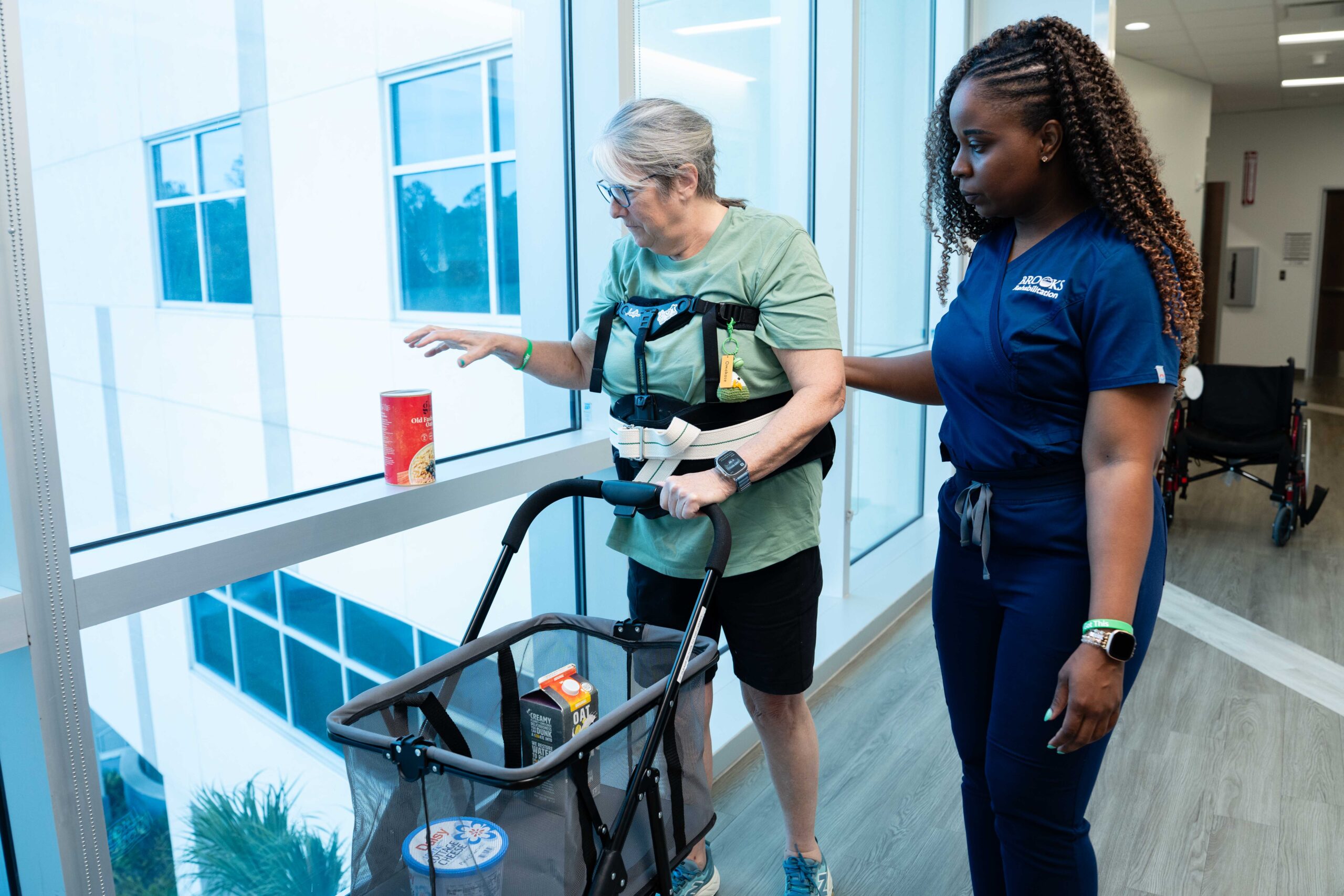
As therapy progresses, patients engage in activities tailored to their specific needs and goals. This could include fine motor skill exercises like writing, buttoning or threading a needle, as well as physical functions through mobility exercises.
Therapists also help patients practice daily tasks such as grooming, cooking or dressing, often introducing adaptive equipment or new techniques to make these tasks more manageable. Over time, therapy sessions become more challenging as patients build confidence and skills, gradually reintroducing tasks that were initially intimidating.
Education is another key component of your therapy, as patients learn strategies to manage their condition, such as using heat or massage for pain relief, understanding their pain limits or incorporating exercises into their daily routine. Therapists may also provide guidance on using adaptive equipment or making modifications to the patient’s environment.
How to find an occupational therapist
Brooks Rehabilitation has many outpatient facilities with vast treatment options for occupational therapy throughout the greater Jacksonville, Fernandina, St. Augustine, Palm Coast, Daytona, Orlando and Tampa regions.
To find a location closest to you and your needs, visit our locations page to find occupational therapy services near you or fill out our request care form and a Brooks team member will contact you to learn more.