Lung Transplant Rehabilitation
Recovering from a lung transplant often means relearning how to breathe, move and build stamina as your body heals. Brooks Rehabilitation provides specialized lung transplant rehabilitation focused on respiratory recovery, physical strength and safely returning to daily life.
What is a lung transplant?
A lung transplant can offer new possibilities for breathing and quality of life, but recovery takes time. Changes in oxygen use, endurance and energy levels are common as the body adjusts after surgery. With specialized lung transplant rehabilitation, you can get stronger, improve respiratory health and return to daily activities safely.
What to expect during lung transplant rehabilitation
Lung transplant rehabilitation care supports respiratory recovery, physical function and medical healing. Your care team actively evaluates your breathing, endurance, oxygen needs and symptoms, such as fatigue or shortness of breath.
We pace therapy thoughtfully, making gradual progression and giving you time to rest. This strategy helps you safely increase your daily activity. When follow-up appointments or testing are needed, we coordinate your care so rehabilitation can continue without delays.
Care team and approach
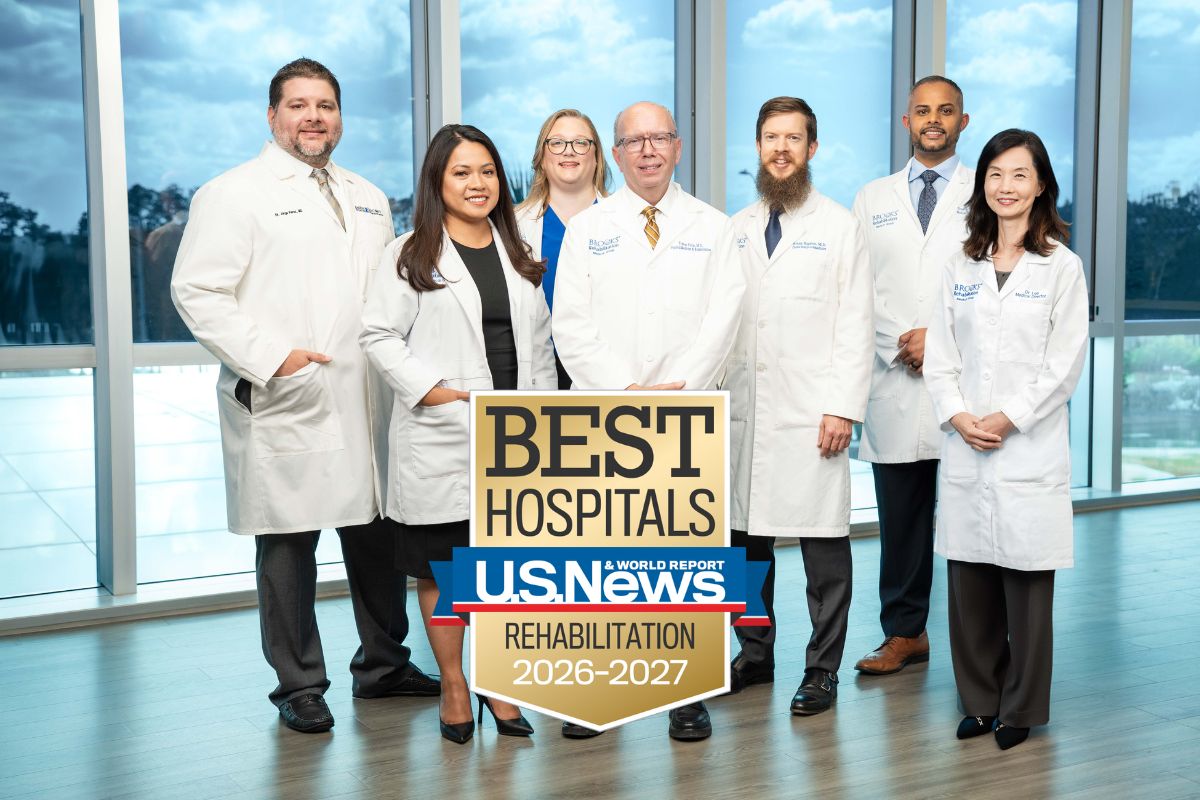
We deliver a team-based approach to lung transplant rehabilitation. This team of specialists is led by board-certified physical medicine and rehabilitation physicians. We work closely with your transplant center to coordinate medications, lab monitoring and follow-up care. We adjust therapy based on how you’re healing and how your body responds. Our goal is to help you return home safely and confidently.
Your care team may include many different team members, each supporting a different part of recovery, including:
- Case managers
- Dietitians
- Nurses
- Physicians
- Psychologists
- Wound care specialists
Your rehabilitation may involve different types of therapy, including:
- Occupational therapy to make daily activities easier as you recover
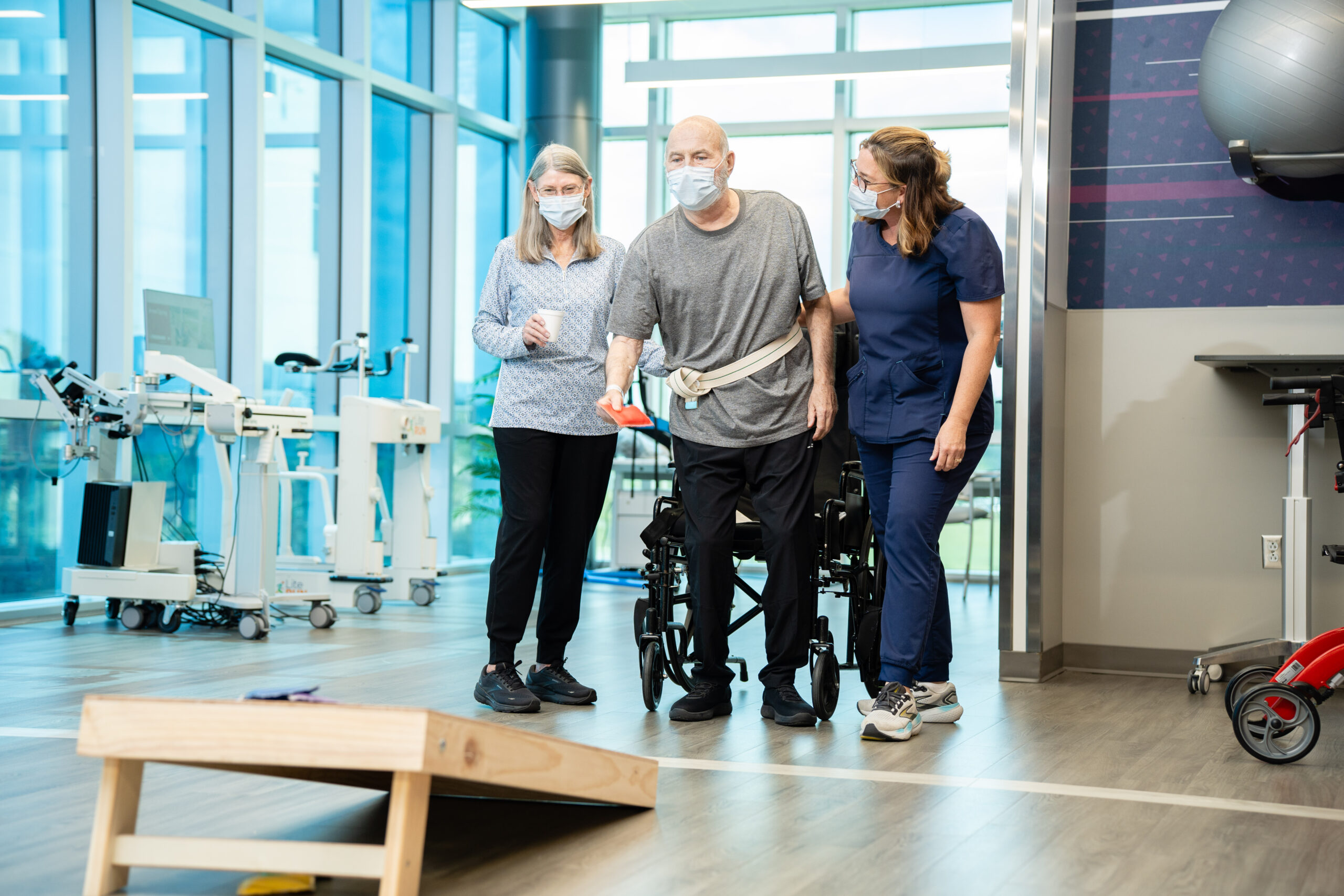
- Physical therapy to build endurance and strength after your transplant, as you adjust to your new lung or lungs
- Respiratory therapy to support breathing efficiency, help clear secretions and improve tolerance for activity as your lungs heal
- Speech therapy to support safe swallowing, prevent aspiration and address cognitive or memory changes, if needed
Why choose Brooks for lung transplant rehabilitation?
At Brooks, lung transplant rehabilitation supports complex respiratory recovery while helping you safely rebuild strength and endurance. We coordinate your care across medical, therapy and transplant teams so you experience a smoother recovery.
Highlights of our program include:
- Advanced rehabilitation technology: Brooks uses specialized rehabilitation technologies, such as the Aretech ZeroG Gait and Weight Balance System and AlterG Anti-Gravity Treadmills. These devices help reduce strain, support safe movement and rebuild endurance as recovery progresses.
- Coordination with transplant centers: Brooks works closely with transplant teams to coordinate lab monitoring, medications and follow-up appointments. When you need an off-site visit, care is arranged so rehabilitation continues with minimal interruption.
- Specialized care for complex lung transplant recovery: People recovering from lung transplant may experience reduced oxygen efficiency, difficulty clearing secretions and higher infection risk. Our team assesses your respiratory status, manages complications and guides your recovery at every stage.
- Patient and caregiver support: Lung transplant recovery can affect daily routines and long-term health management. Brooks provides education and guidance for patients and caregivers. We help families feel informed and supported throughout recovery and the transition home.
FAQs about lung transplant rehabilitation
Recovery timelines vary for each person. We tailor rehabilitation to how your body responds and progresses. We set a pace that supports safe healing and gradual improvement in breathing and endurance.
Yes. Lung transplant rehabilitation focuses on improving stamina, strength and breathing. Improvements in these areas make daily activities like walking, dressing and household tasks feel more manageable over time.
Become a Patient
Find out more about becoming a patient and learn more about organ transplant rehabilitation.Latest News and Health Resources
Education and guidance to support your recovery
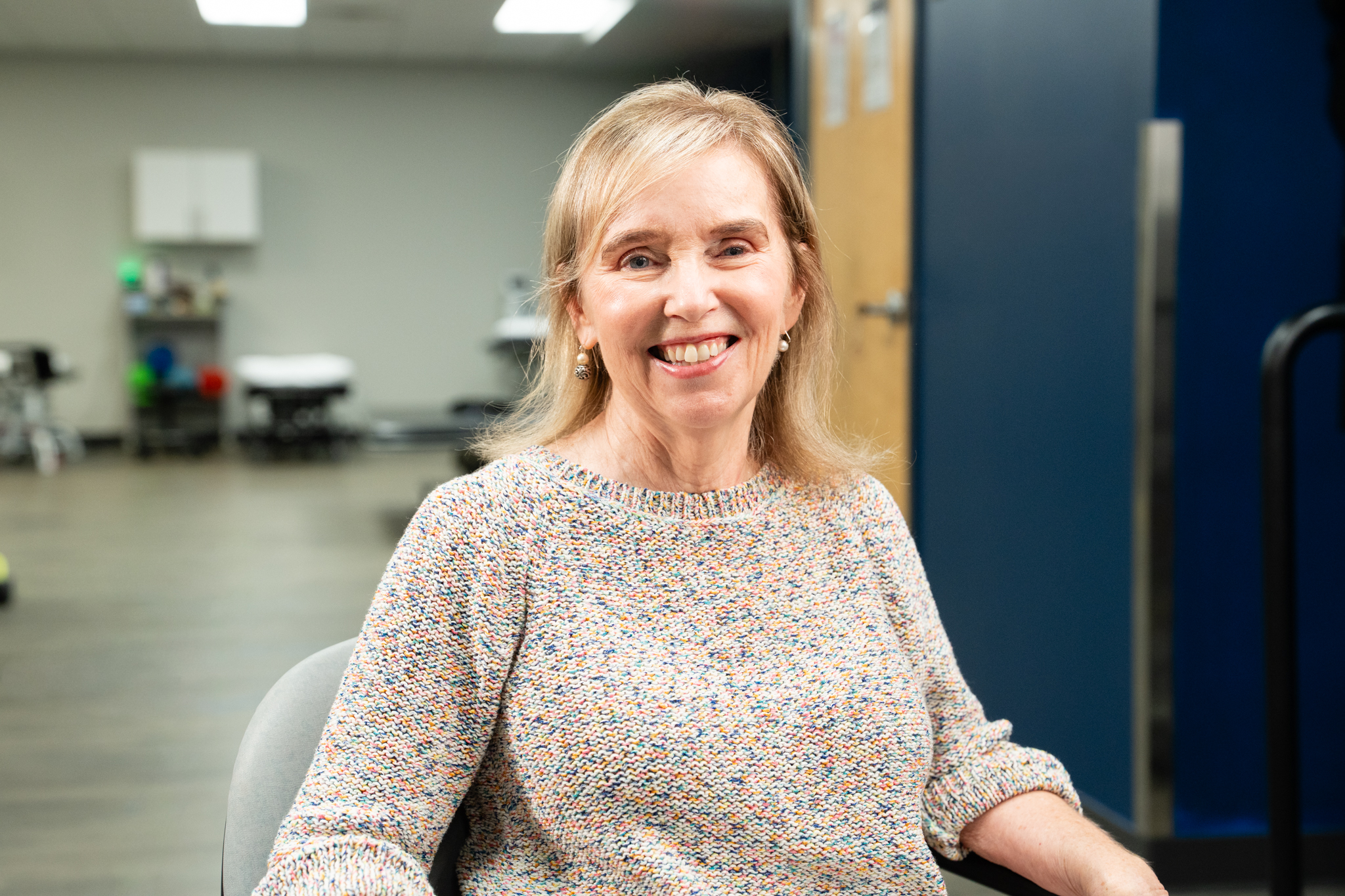
How Physical Rehabilitation Helped Deborah Plews Walk Again After Brain Tumor Surgery
[embed]https://youtu.be/ZWjhw847KI0?si=smpS9FGCZFE1OW8H[/embed] Experience the inspiring recovery story of Deborah Plews, who faced life-changing complications after brain tumor...