Disorders of Consciousness (DoC) Program
For over three decades, Brooks has been a trusted leader in caring for individuals in disordered states of consciousness delivering expert, interdisciplinary rehabilitation care alongside compassionate family support.
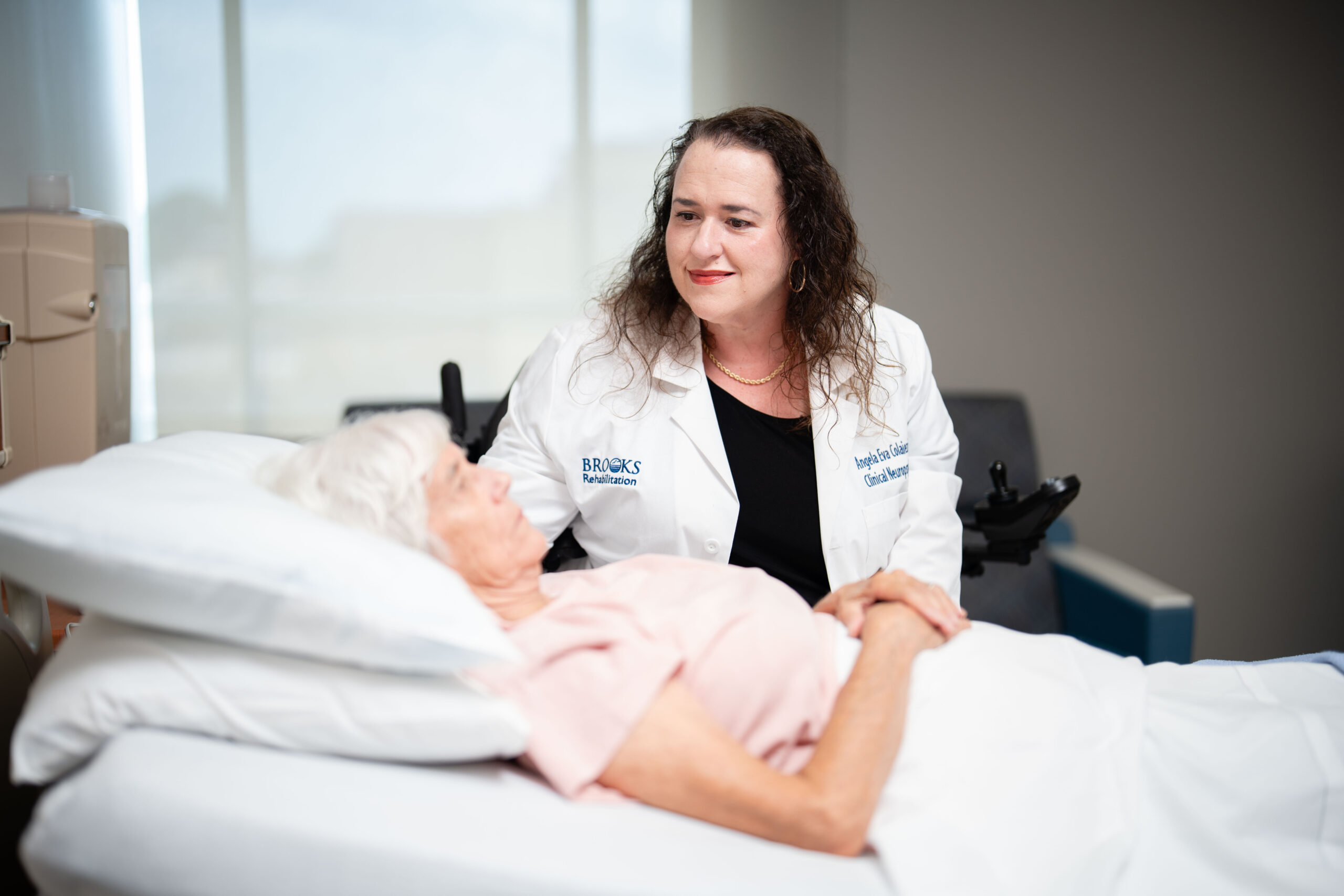
Brooks has been providing physical rehabilitation care to some of the most medically complex patients in the nation for over 50 years. We are often a top choice for physicians and hospitals to care for medically complex and major multiple trauma patients while providing rehabilitation for functional improvement.
Why choose Brooks
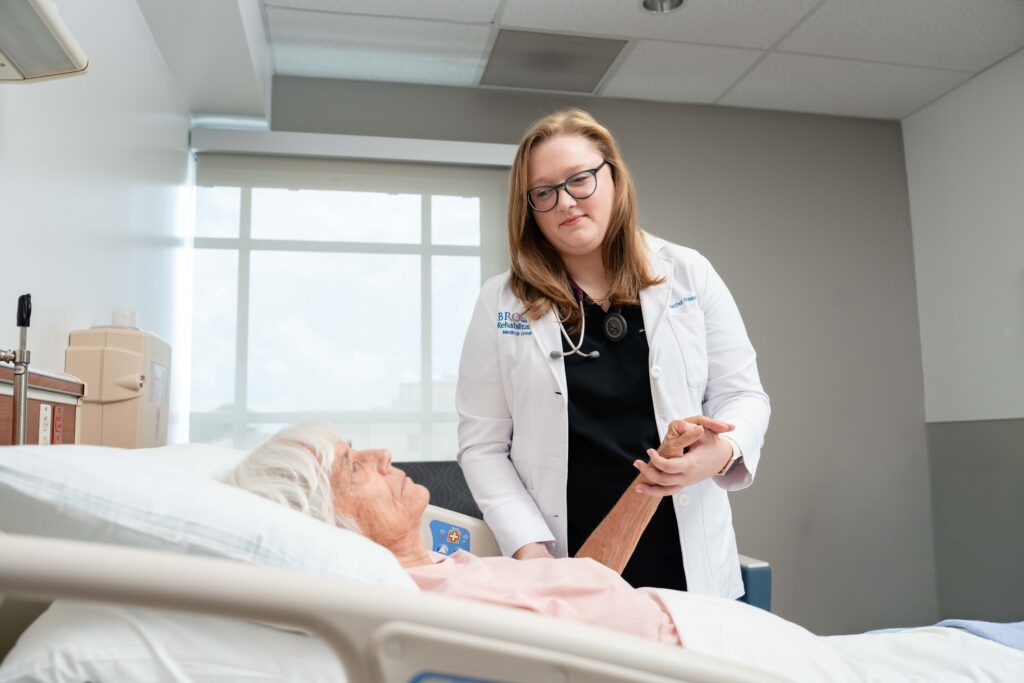
Brooks is one of the only comprehensive physical rehabilitation systems of care in Florida. This means not only do we support a patient’s physical recovery from inpatient rehabilitation to home, but the emotional and social recovery of caregivers and family as they participate in their loved one’s recovery journey.
Admission criteria for Brooks’ Disorders of Consciousness (DoC) Program


To be eligible for admission into the DoC program at Brooks, your loved one must be diagnosed with an acquired brain injury and out of the coma stage, meaning the sleep/wake cycle is present.
Individuals must have a dedicated caregiver present and have appropriate housing and support after discharge from our hospital. We accept both pediatric and adult patients into our DoC program.
Admission process
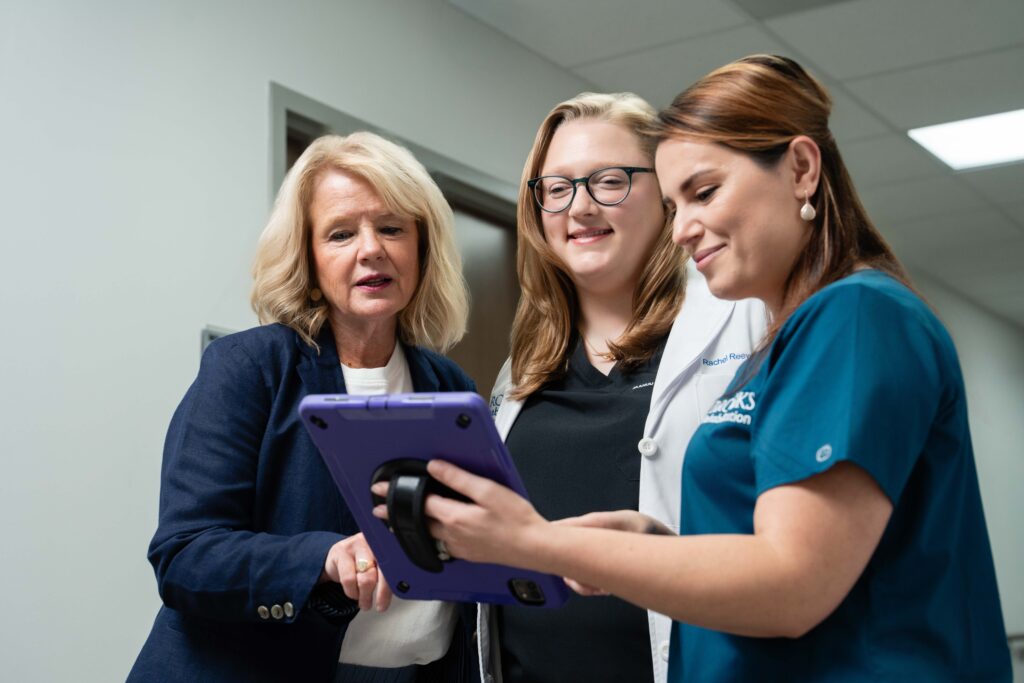
Our admission team will perform an evaluation of the patient and review medical records to determine if they are appropriate for admission into the program.
Our admissions team will also work with the family to better understand medical coverage or private pay options, and secure insurance authorization when needed. We accept patients locally, nationally and internationally.
Dedicated caregiver
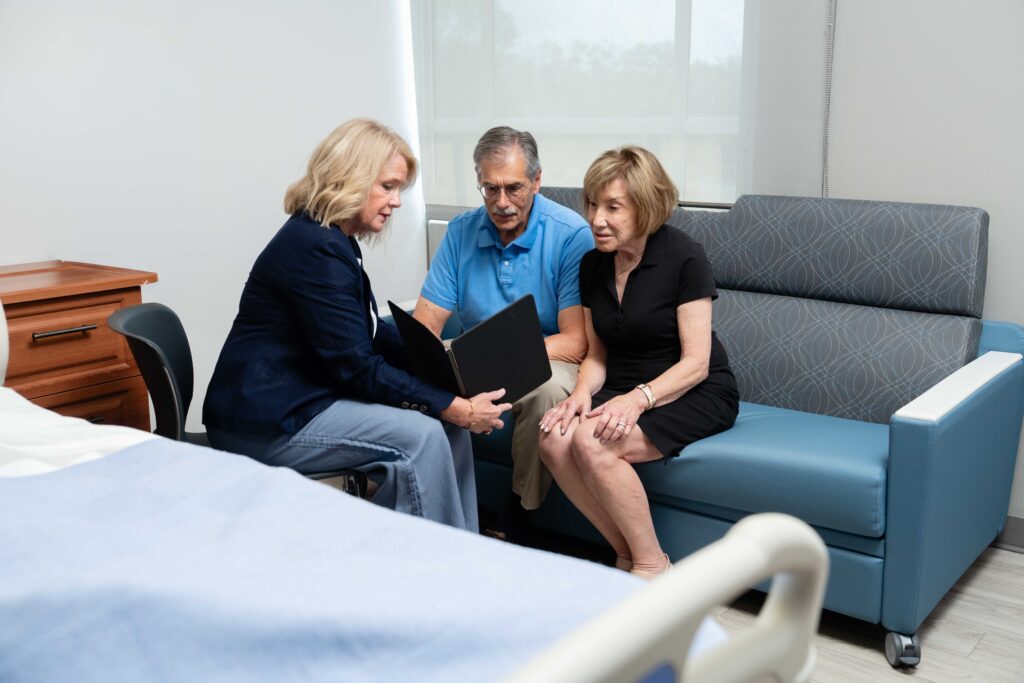
A dedicated caregiver is a key part of our DoC program. One of the primary goals of this highly specialized program is to discharge your loved one to their home setting.
During a patient’s stay, we provide the caregiver with the education, training and resources needed to prepare for this next step.
Disorders of consciousness terminology explained
Coma is a state of deep unconsciousness, caused by profound neurological injury or illness.
Formerly referred to as “vegetative state,” unresponsive wakefulness state is a disorder of consciousness in which patients with severe brain injury are in a state of partial arousal, reflected by a sleep/wake cycle but no purposeful interaction with their environment.
Minimally conscious state is a severely altered consciousness in which minimal but definite, sustained and/or reproducible behavioral evidence of awareness of self or environment is demonstrated.
Emergence from DoC happens when an individual shows consistent demonstration of purposeful interaction with the environment is observed by your loved one (i.e., communication, object use, command following).
Where care takes place
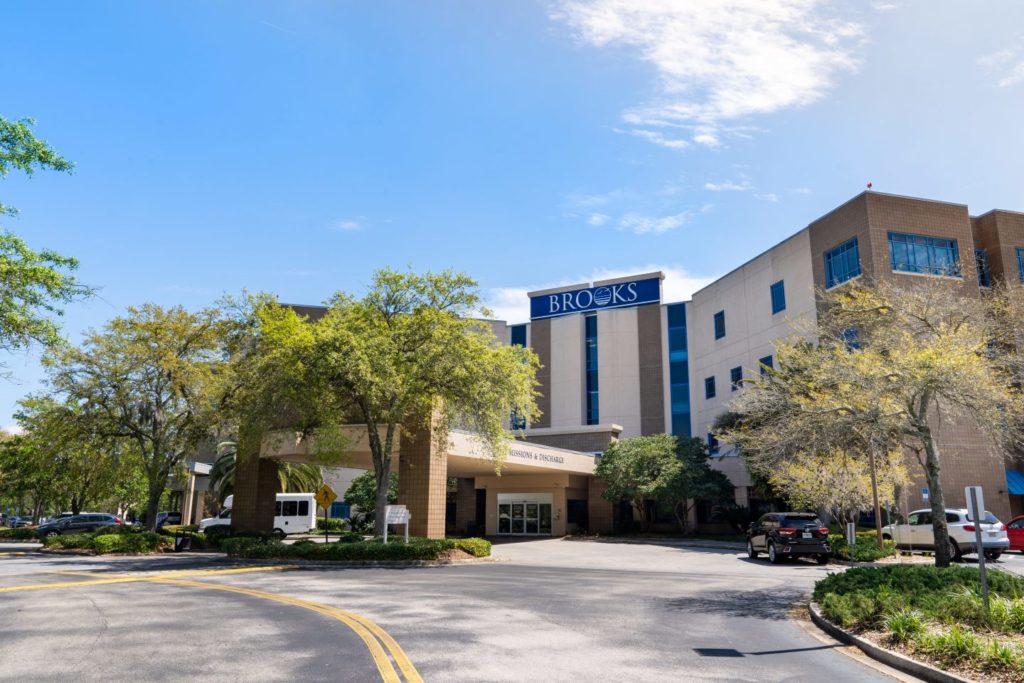
Our Disorders of Consciousness Program is located at our University Campus hospital in Jacksonville, Florida.
Care goals of the Disorders of Consciousness Program
The team at Brooks works with the family upon patient arrival to achieve the following goals:
Assessing the patient to accurately diagnose their level of consciousness.
Ensuring the patient is medically stable to reduce any barriers to recovery.
Optimizing medications to improve the patient’s alertness and monitor responses to medication changes.

Providing specialized education, support and training for families and caregivers.
Supporting the family in preparing for discharge to home.
Interdisciplinary care approach for DoC patients
Patients in our DoC program are treated by a team of rehabilitation experts who have decades of experience in brain injury and recovery, and are highly specialized in their fields.
All care team members are an instrumental part of collecting response assessment data in order to identify trends in the patient’s journey during their stay. The following care is a part of the patient’s treatment plan, depending on their unique needs:
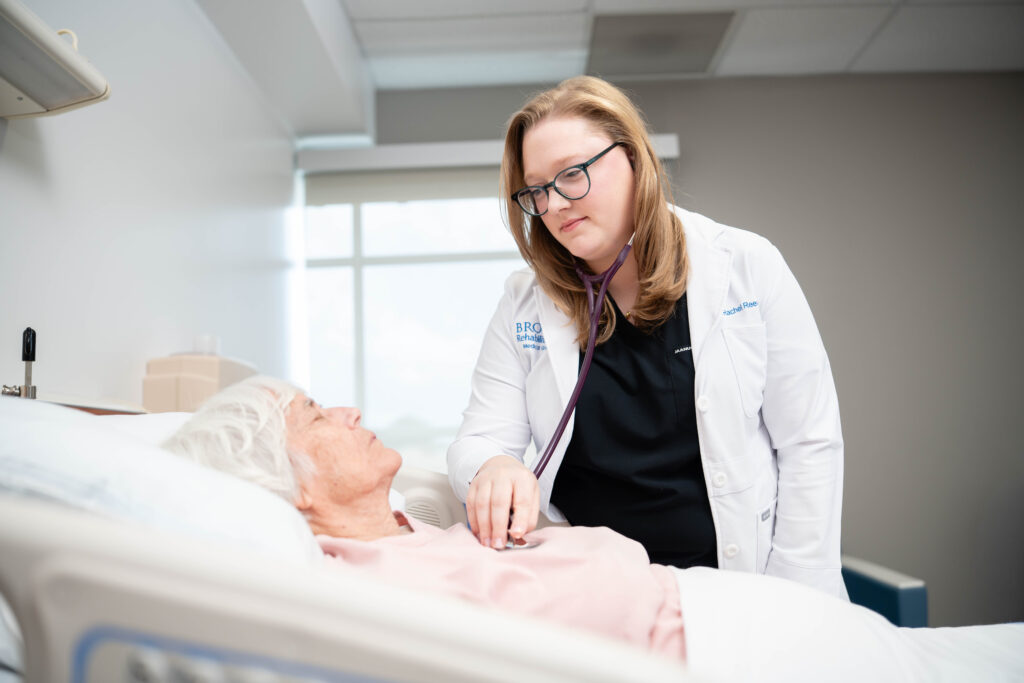
Physician Oversight
Physical medicine and rehabilitation physicians oversee the rehabilitation and medical care of DoC patients, ensuring streamlined communication between teams and proper medication management.
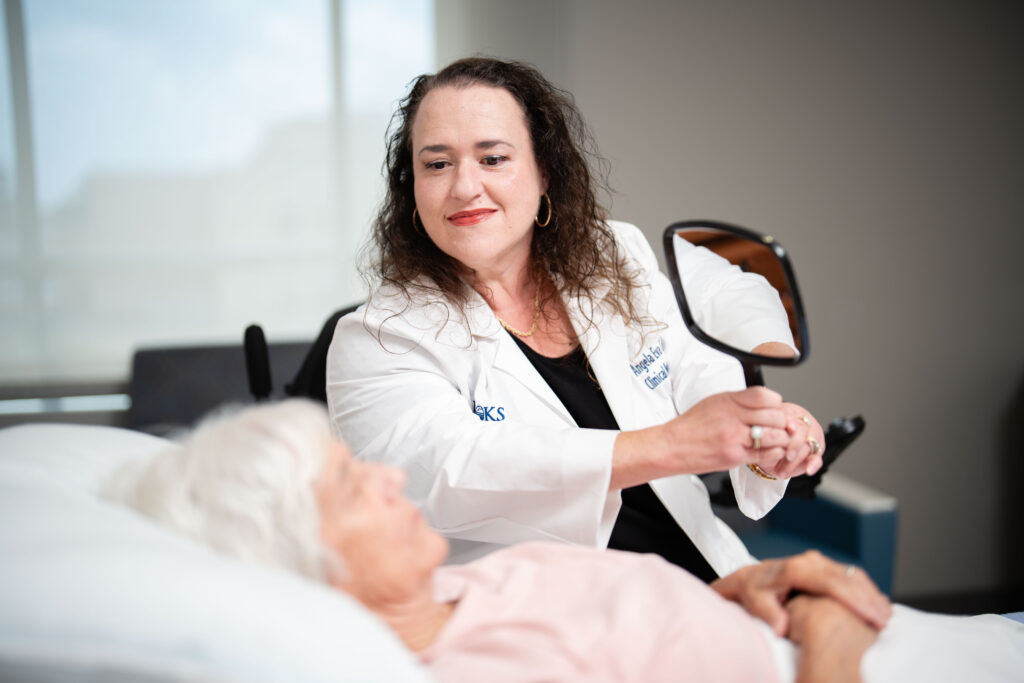
Neuropsychologists
Our clinical neuropsychologists specialize in how brain injuries and conditions affect behavior and cognitive skills. They assess patients, support the development of treatment plans and track progression.
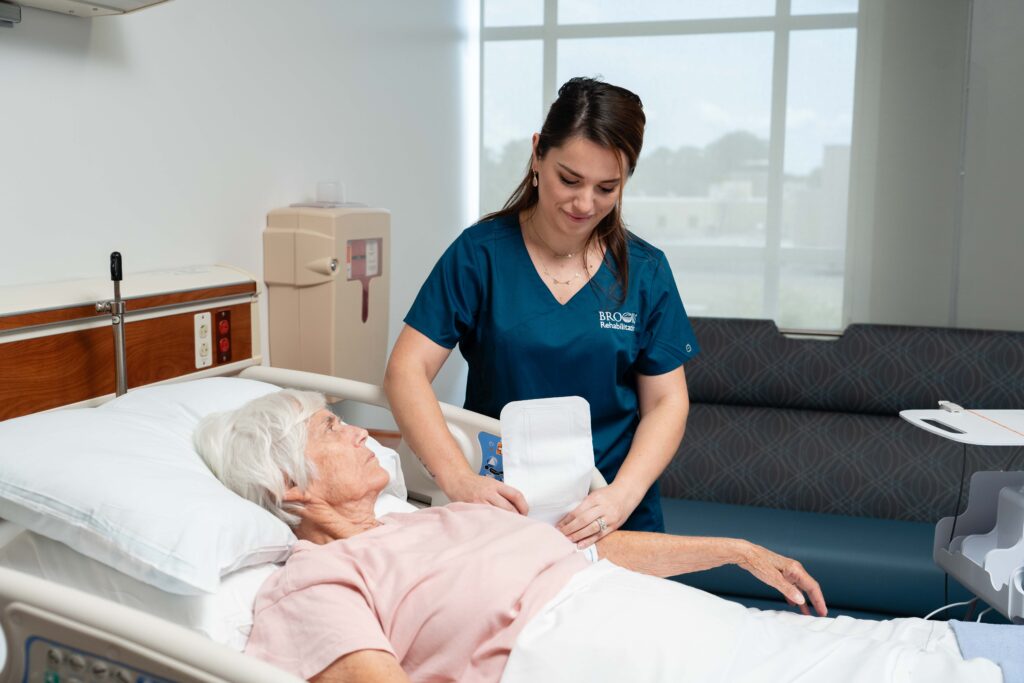
Rehabilitation Nursing
Highly trained nurses monitor vital signs, manage medications, provide wound and infection care and control, family education and much more.
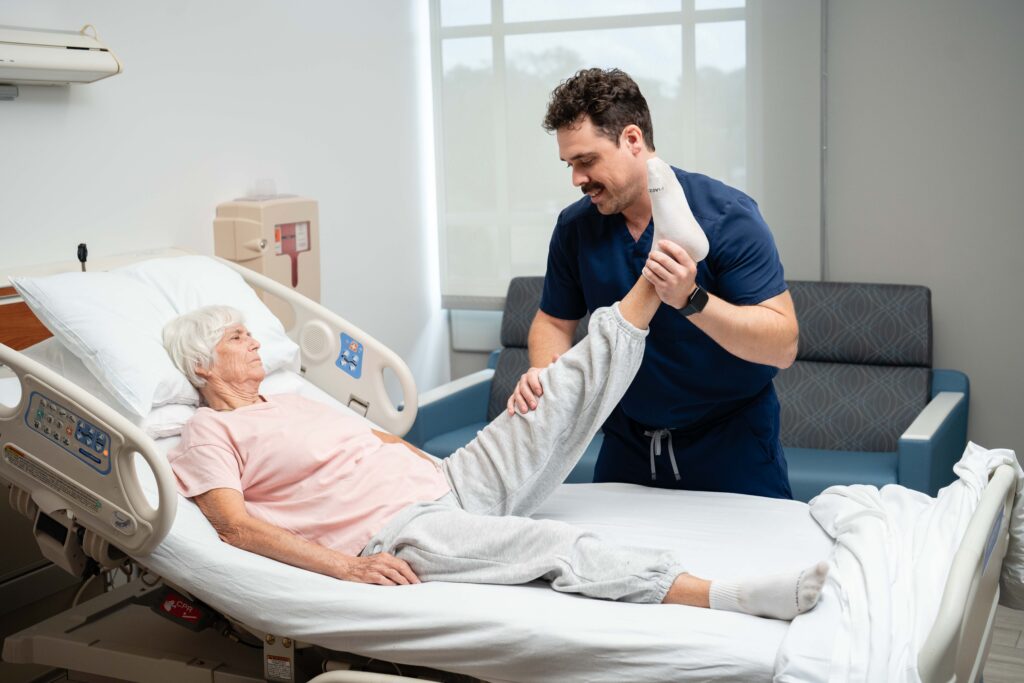
Physical Therapy
Physical therapists focus on establishing a proper seating system, lower extremity range of motion and application of any splints or braces required. Additionally, they train caregivers in rolling/moving the patient and use of equipment, including use of mechanical devices for transfers. When appropriate, physical therapy will try to provide mobility to facilitate increased neurological arousal.
Occupational Therapy
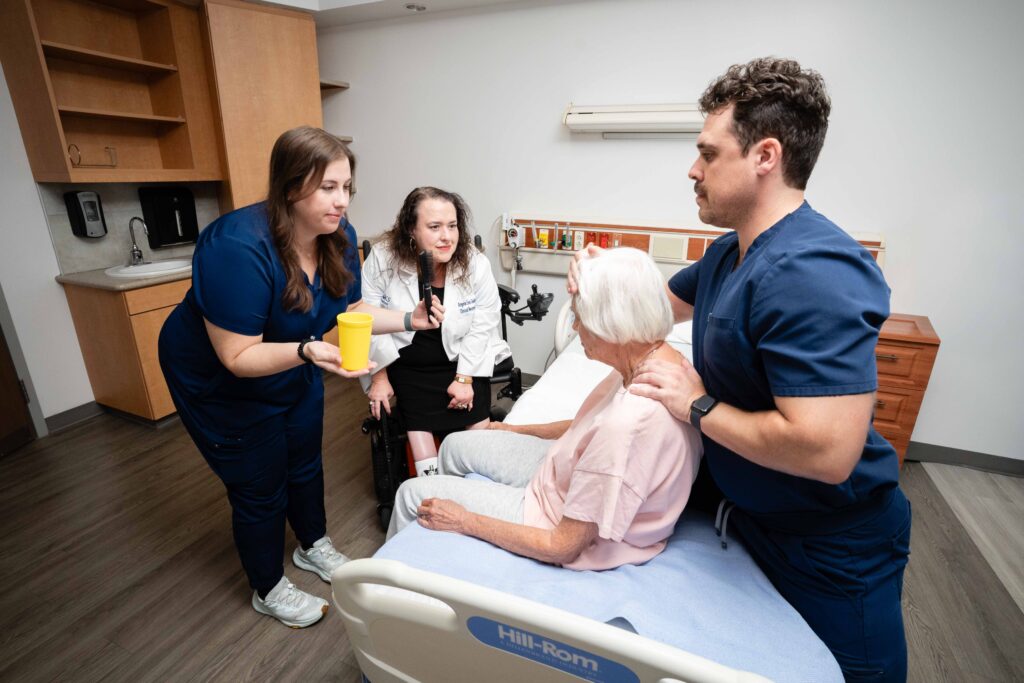
Occupational therapists focus on upper extremity range of motion, splinting and caregiver education. They provide caregiver training on moving a dependent patient for such things as dressing, grooming and hygiene at the bed level. They also support training for patient transfers, using the mechanical lift and proper seating.
Speech Therapy
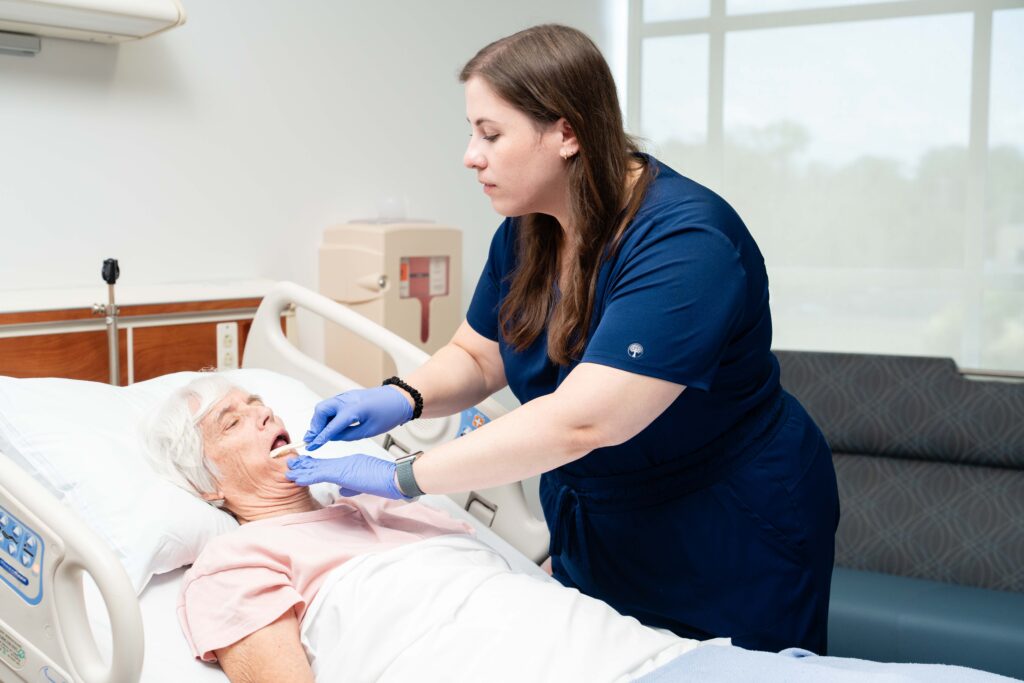
Speech therapists support caregivers in training on oral care, trach care and application of the speaking valves and caps. They are instrumental in training caregivers on response assessment, helping caregivers feel confident in knowing when their loved one is emerging from a disorder of consciousness.
Case Management
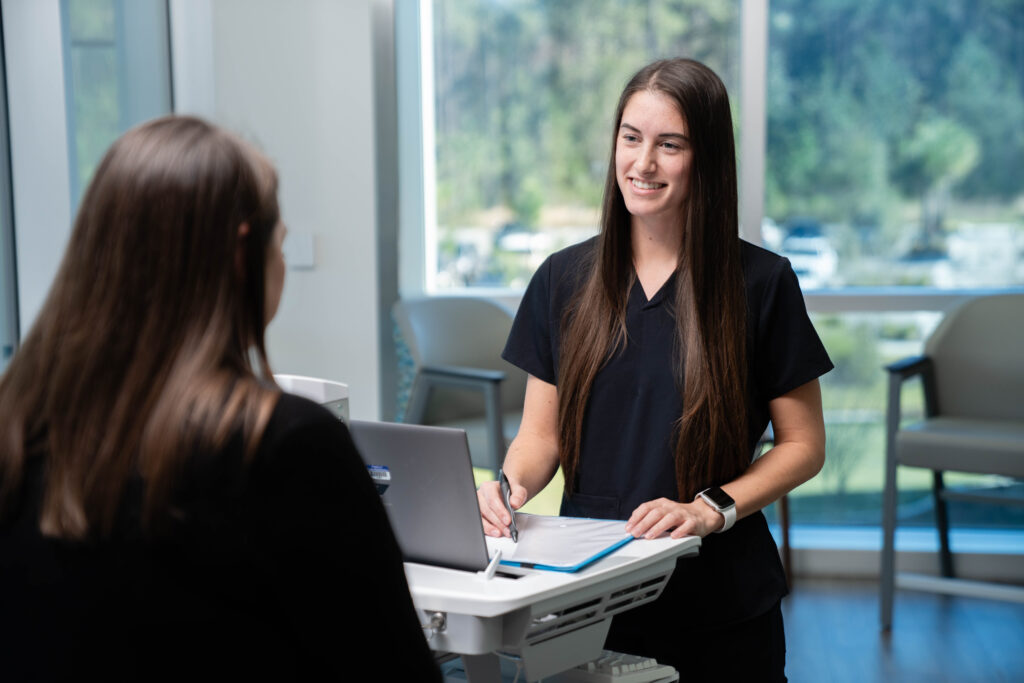
Case managers help patients and family through discharge planning to ensure preparation for the transition home is seamless as possible.
Music Therapy
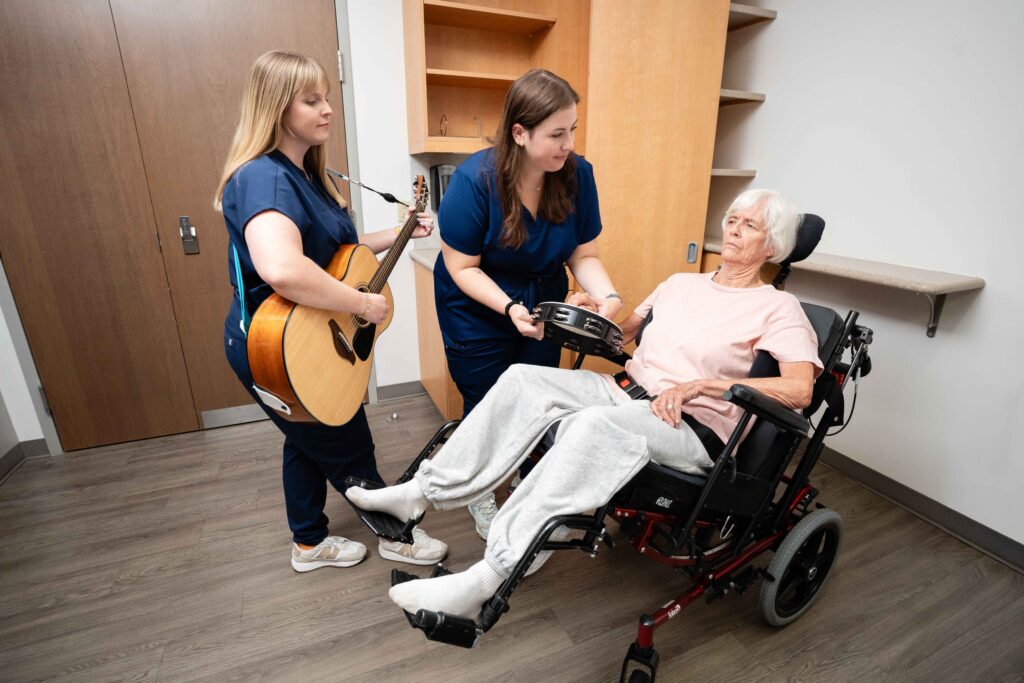
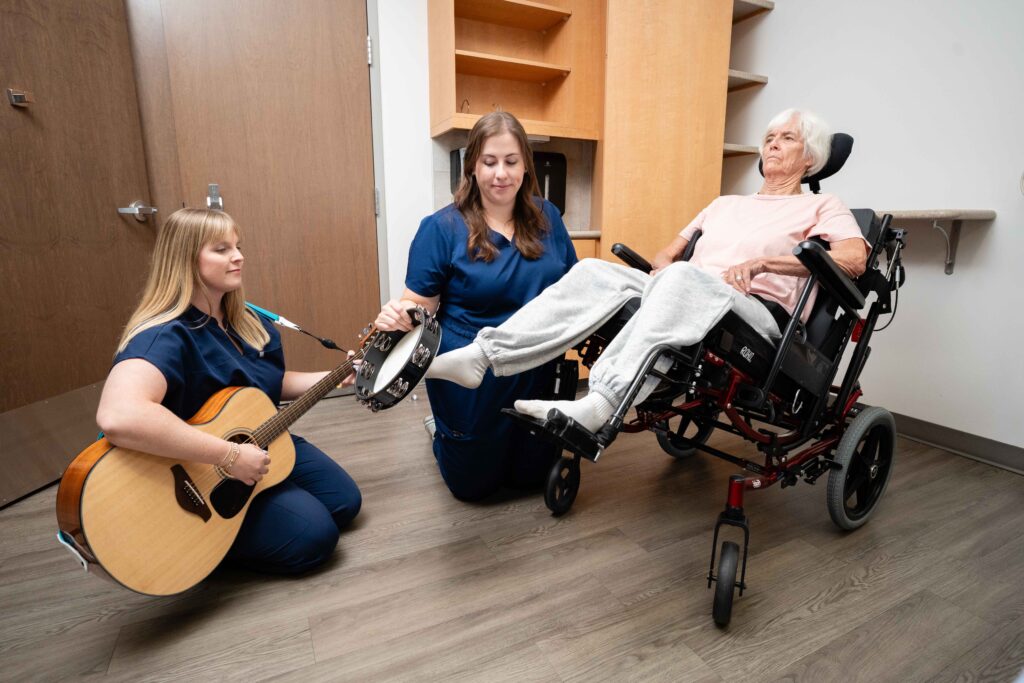
Specially trained in DoC therapy, music therapists provide stimulation through sound to support meaningful responses from patients during therapy.
Respiratory Therapy
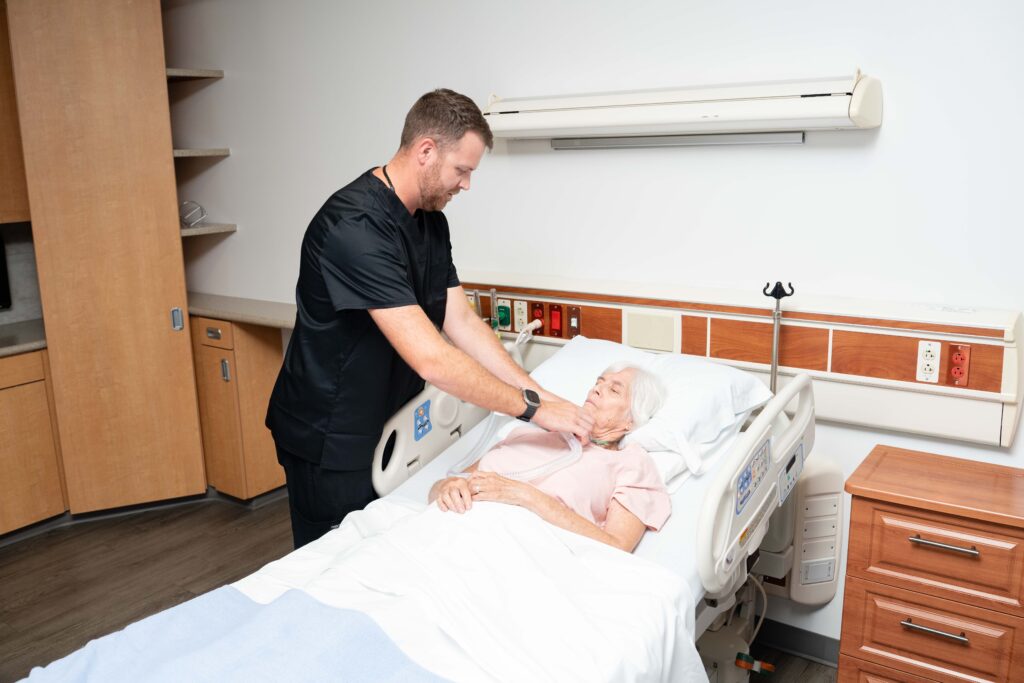
Respiratory therapists for the DoC program facilitate care for trachs and support any respiratory needs the patient may have.
Specialized DoC services at Brooks
Our program is developed around key specializations that help support the unique needs of patients and their caregivers from hospital to home.
Highly focused family education
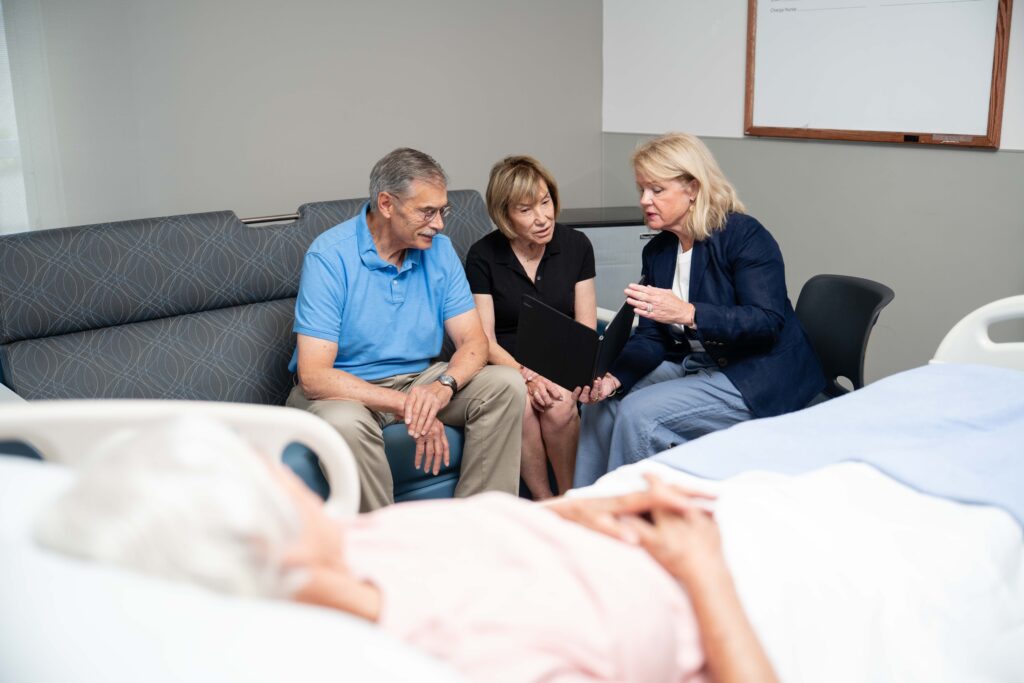
Clinical educators provide 1:1 education to families and caregivers on brain injuries and how it affects your loved one’s day to day. They will discuss how to support their loved one through each step of their journey, as well as the importance of taking care of yourself as a caregiver.
Case management for discharge planning
Our case managers are experienced in DoC discharge planning and are here to ensure caregivers and families are prepared for this next step. Together they will assess the needs of the patient at home and ensure that family and caregivers have the resources, medical equipment and medications in place for home care.
Dedicated programmatic music therapy
The Brooks DoC program is the only program on the East Coast to have an integrated music therapy program for adult DoC patients. Our music therapist is specially trained in disorders of consciousness music therapy protocols to ensure the proper techniques and utilization of instrumental sounds are being conducted.
Skilled medical care for DoC patients
Brooks is known for caring for medically complex patients during rehabilitation. Our inpatient hospitals have 24/7 physician and nursing oversight and the ability to provide the following medical care to patients as necessary:
Tube feeding
Medication management
Tracheostomy care
Positioning and turning
Bowel and bladder care
Skin and wound care
Our program leaders
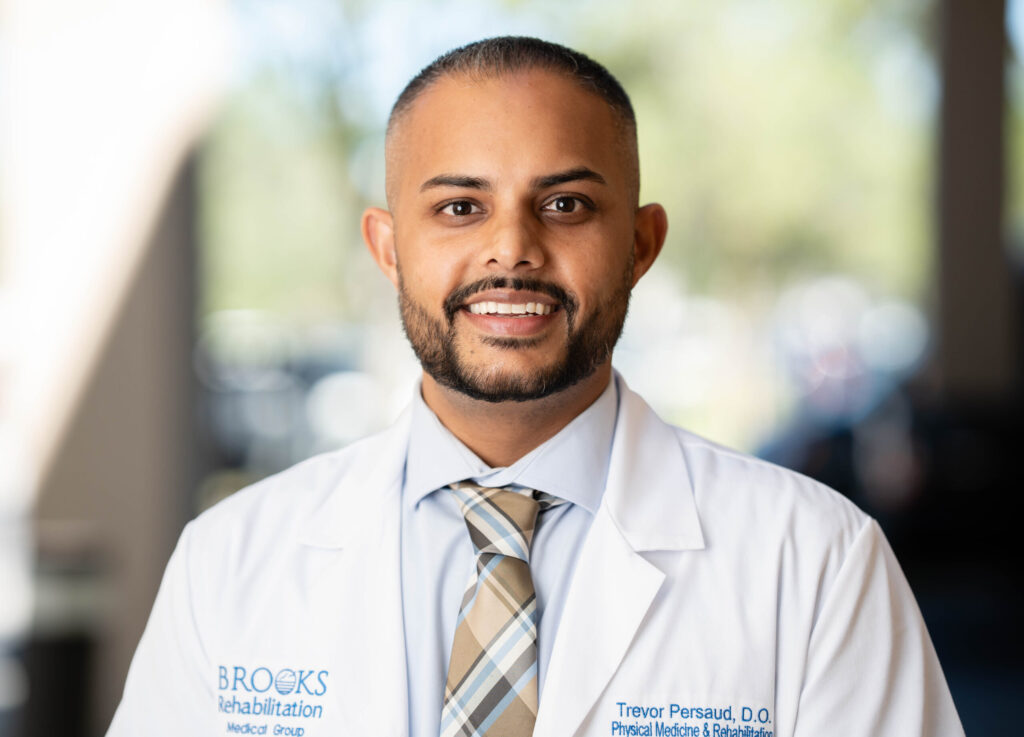
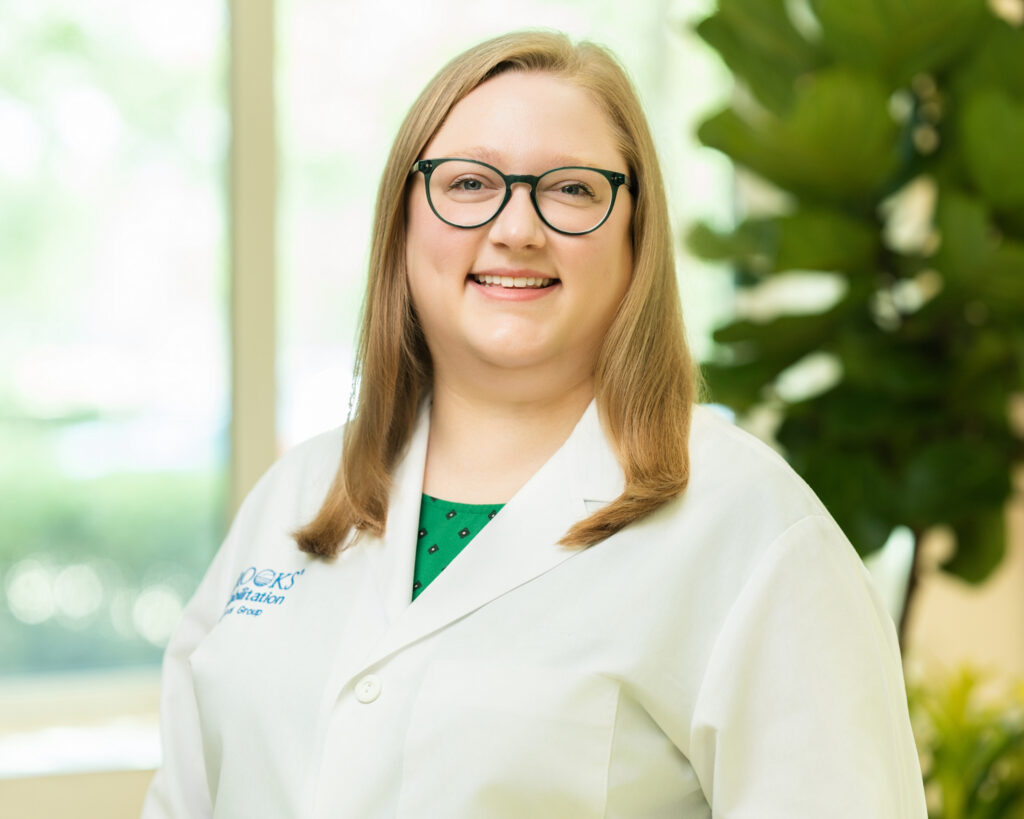
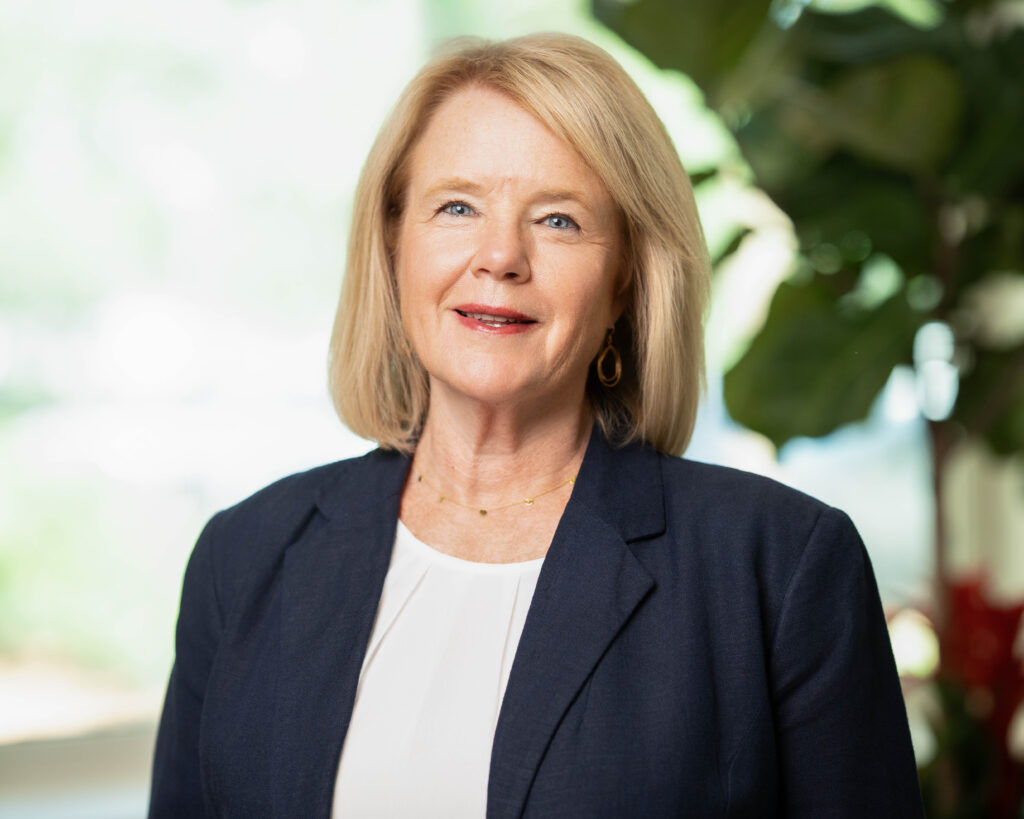
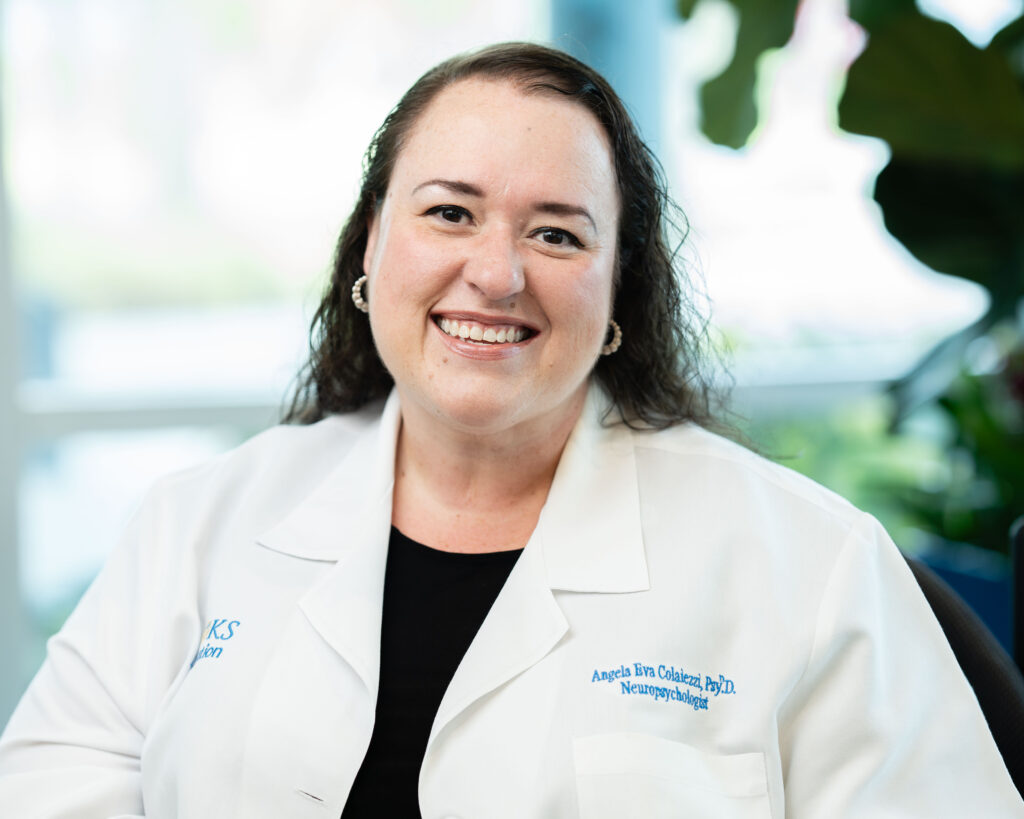
Meet the leaders of the Disorders of Consciousness Program at Brooks. Specifically trained in brain injuries and disorders, they lead the DoC care team in best practices for supporting caregivers and patients in the treatment program.
From disorders of consciousness to independence: Sarah’s brain injury recovery story
On a dreary night in New Port Richey, Florida, Sarah was driving home after spending time with friends when she was involved in a single-car accident just one mile from her house.

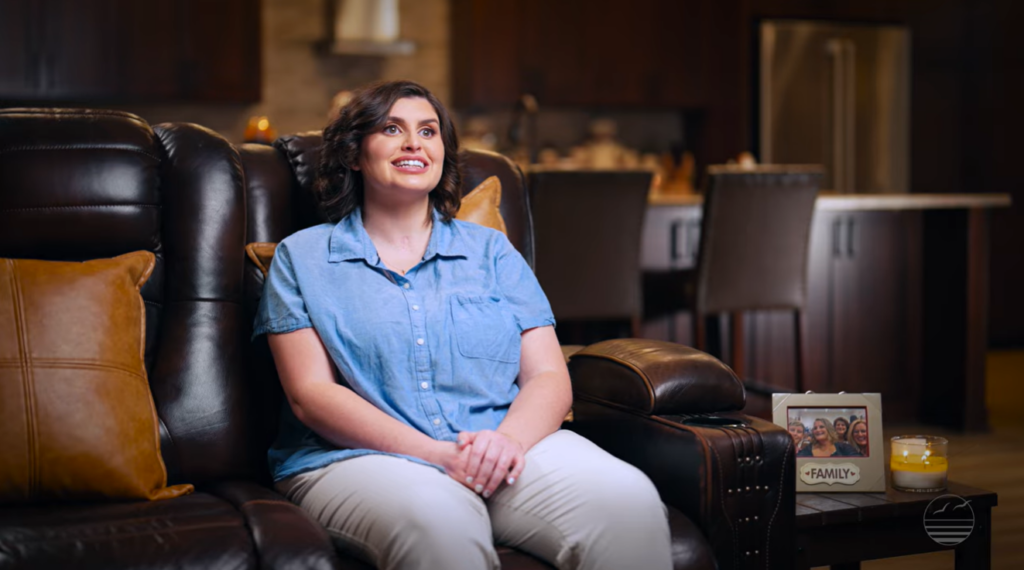
She was rushed to the emergency room, where doctors performed an emergency craniotomy—a procedure to remove part of the skull to relieve pressure caused by severe bleeding in her brain. Her Glasgow Coma Scale score was three, the lowest possible, indicating critical condition.
After weeks in the Intensive Care Unit, Sarah was transferred to Brooks Rehabilitation Hospital – University Campus to begin our Disorders of Consciousness (DoC) program.
Nationally accredited patient-centered care
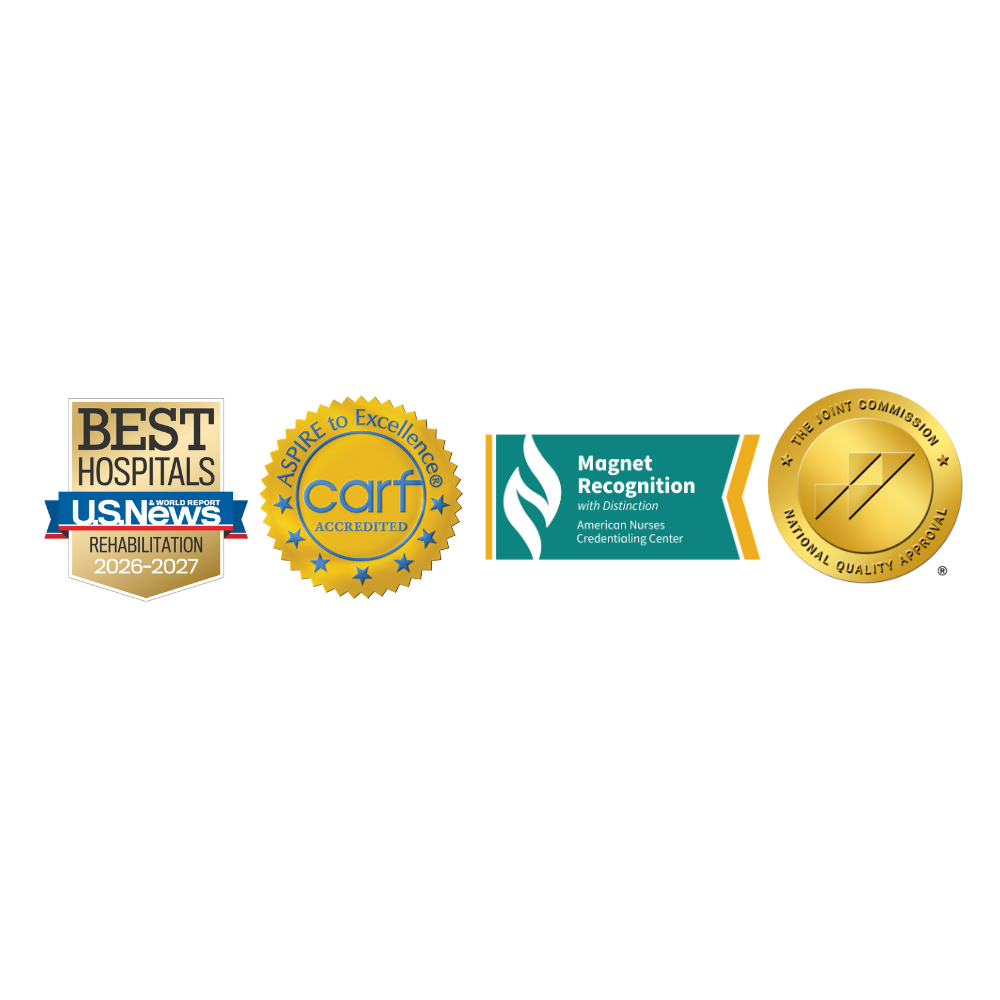
Brooks is one of the top-rated rehabilitation hospital in Florida and is ranked nationally by U.S. News & World Report. Our hospitals hold national accreditations including CARF for brain injury rehabilitation, stroke, spinal cord injury and general rehabilitation. We are Magnet recognized with distinction for our nursing care.
Our commitment to excellence means every patient benefits from leading care, ongoing support and personalized attention.

Request patient care
Brooks’ system of care accepts multiple types of insurance as well as Medicare, and select Georgia and Florida Medicaid. We also provide self-pay options when insurance no longer covers treatment.
Brooks partners with health care systems locally, statewide, nationally and internationally — accepting referrals from most acute hospitals and physicians.
Visit our price transparency page to better understand our hospital fees. These are estimates and not a guarantee of final cost after insurance.