Hybrid Assistive Limb
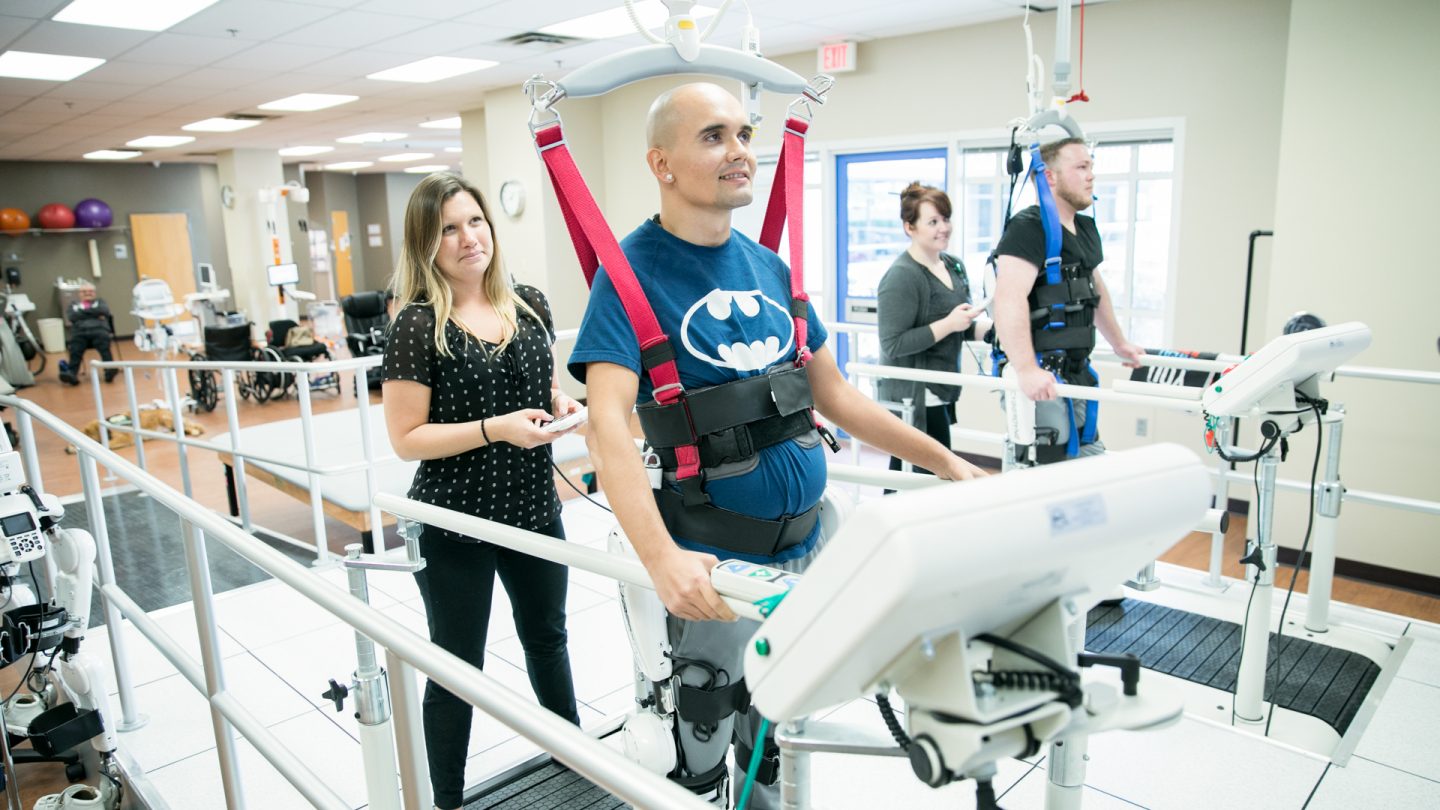
Those living with impairments that restrict their movement have more reason to be hopeful as technology progresses. Robotics departments are currently putting their inventions to use in medical settings for physical therapy, bringing scenes from science-fiction movies to real life, for real results.
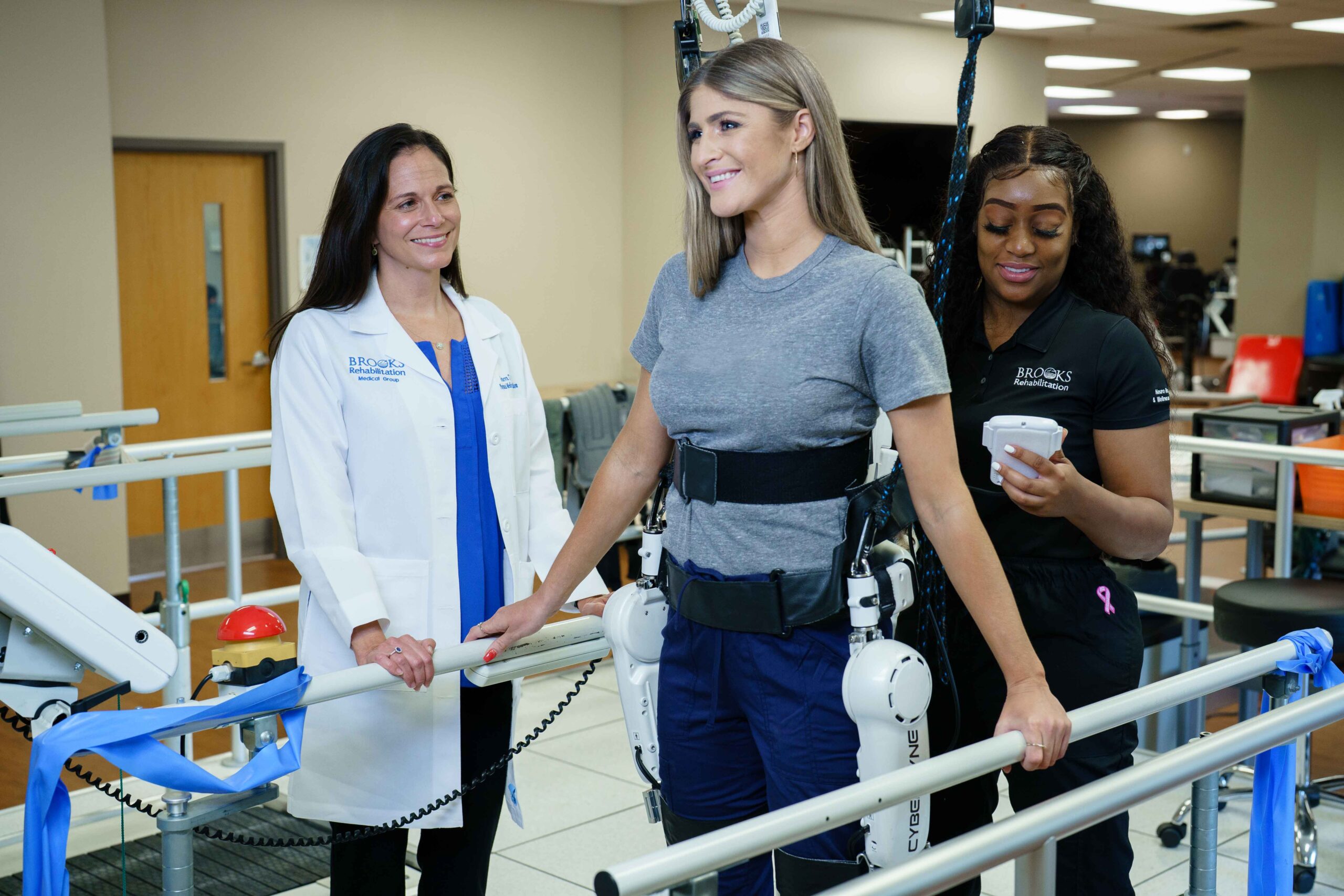
As an institution dedicated to incorporating the latest cutting-edge medical innovations into its therapies, Brooks Rehabilitation offers the Hybrid Assistive Limb (HAL) robotic exoskeleton as a treatment option for patients with a variety of lower-limb movement or balance issues. Those who suffer from these types of injuries or diseases can progress towards their desired recovery as a result of this futuristic treatment.
How Hybrid Assistive Limb (HAL) Treatment Works
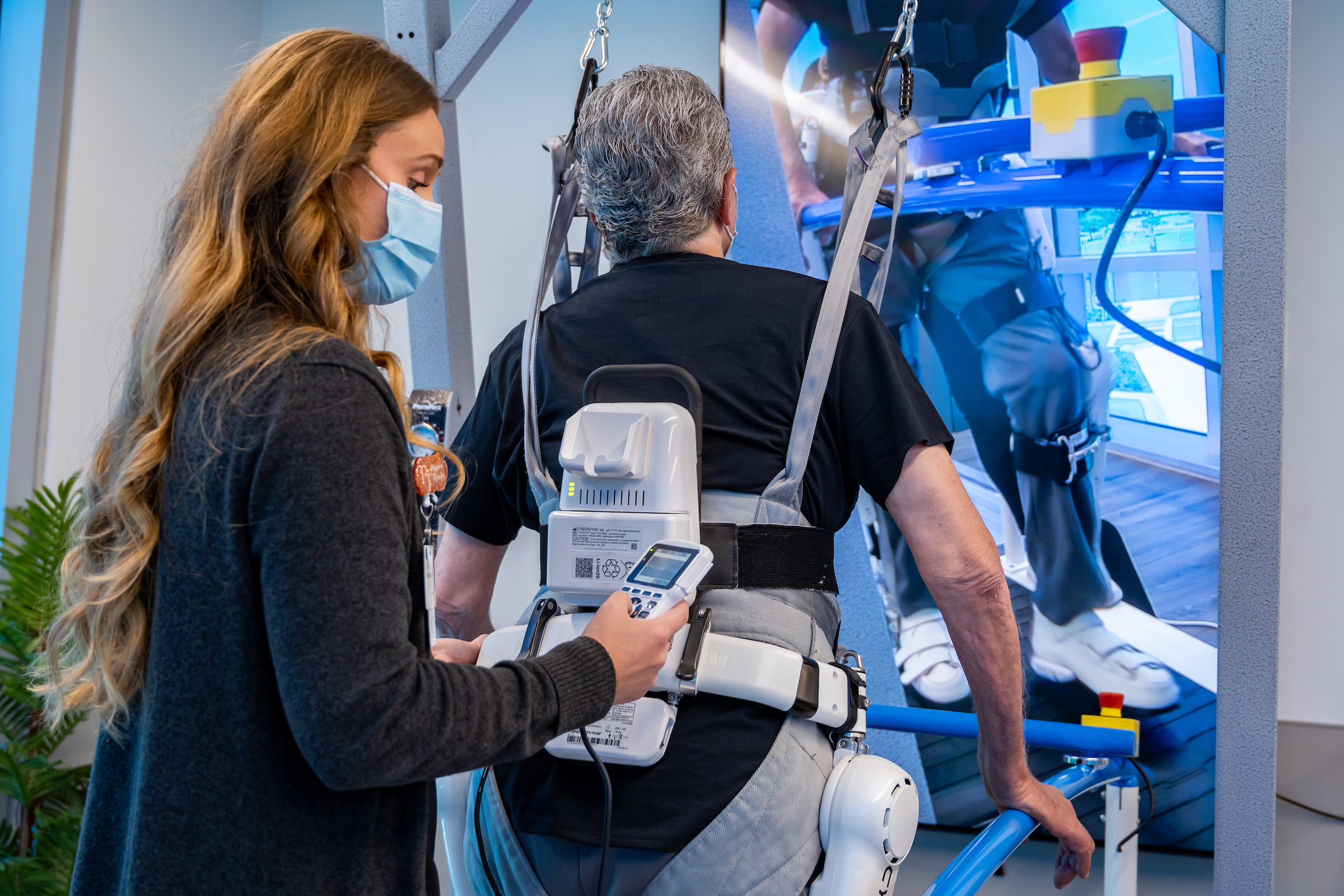
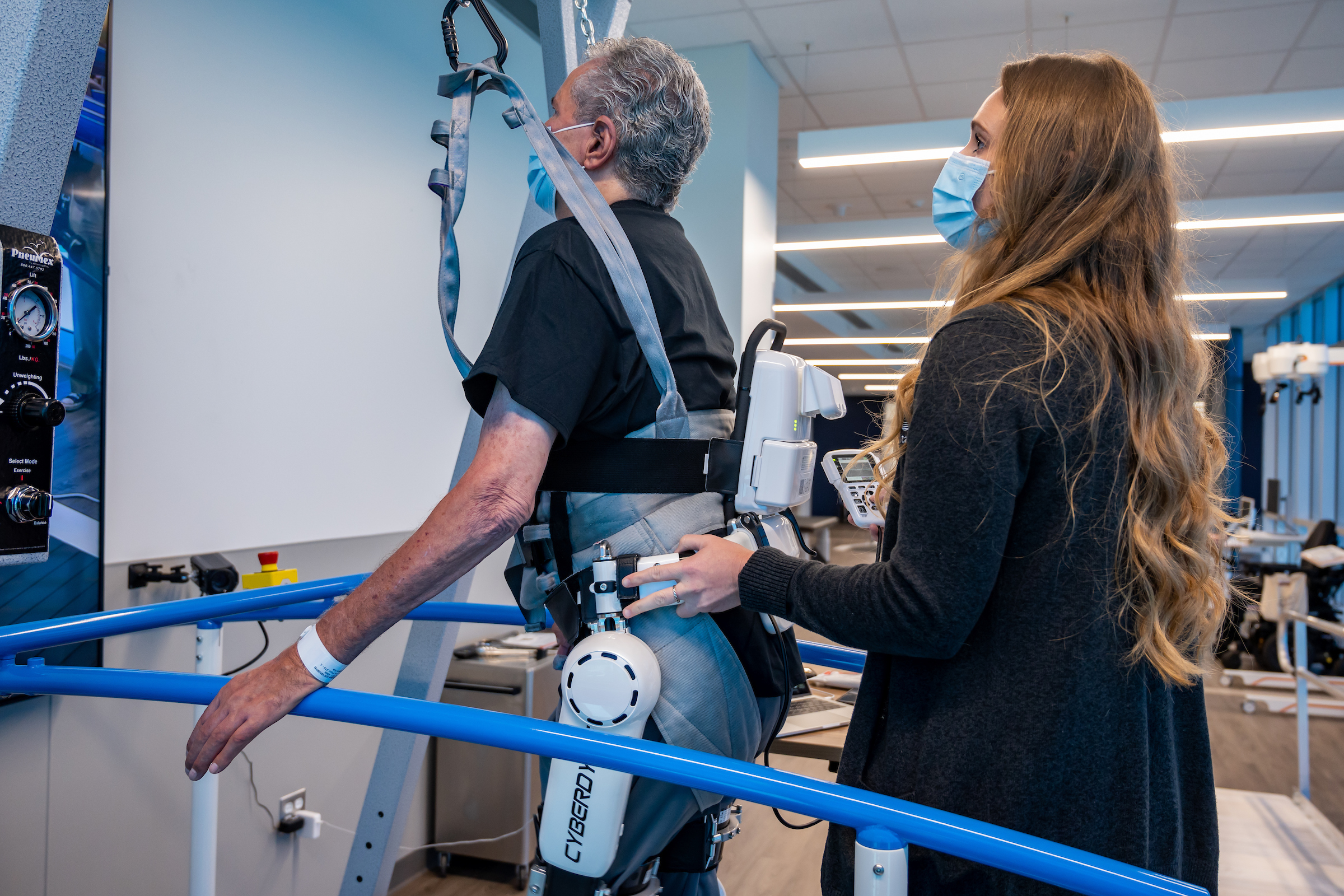
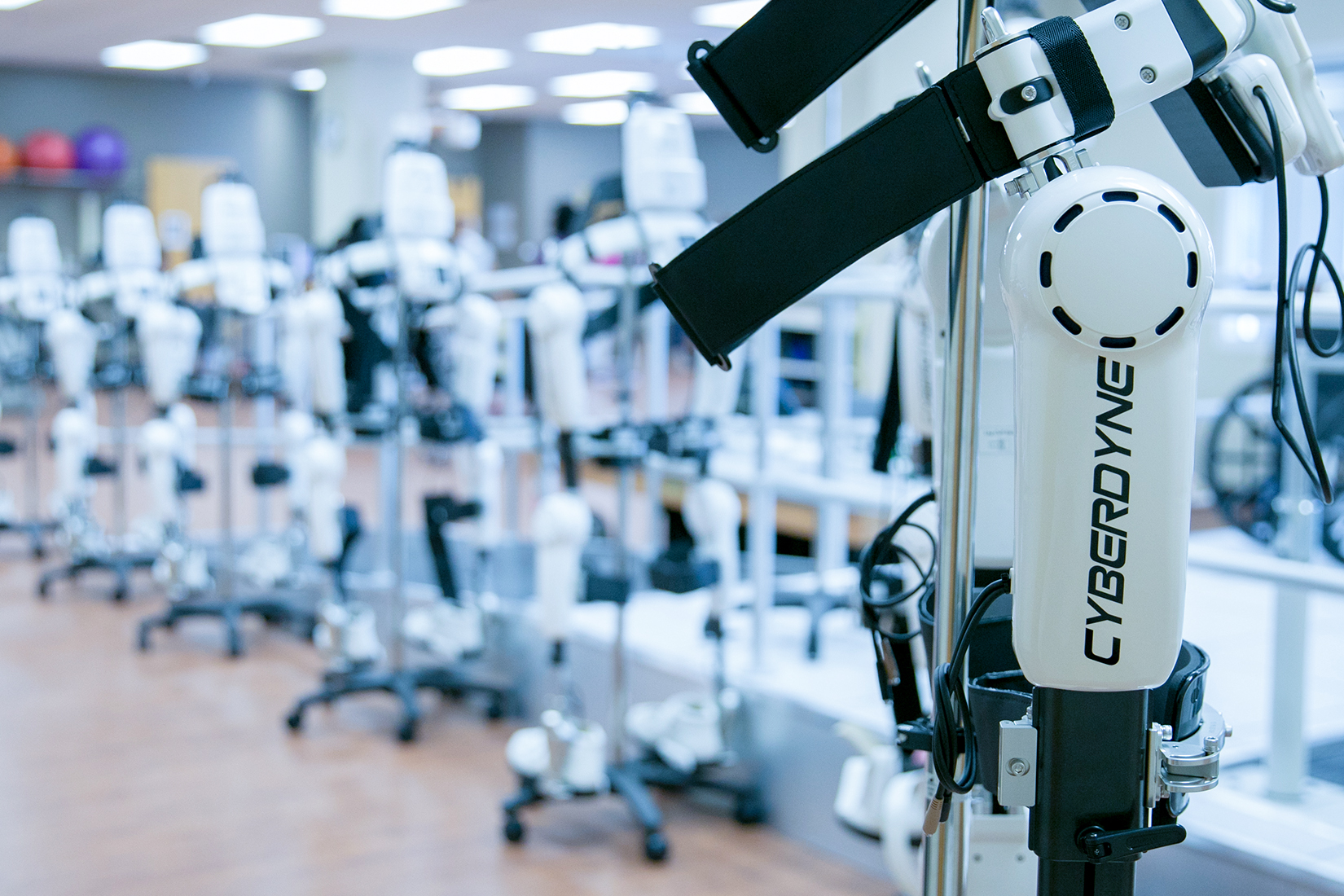
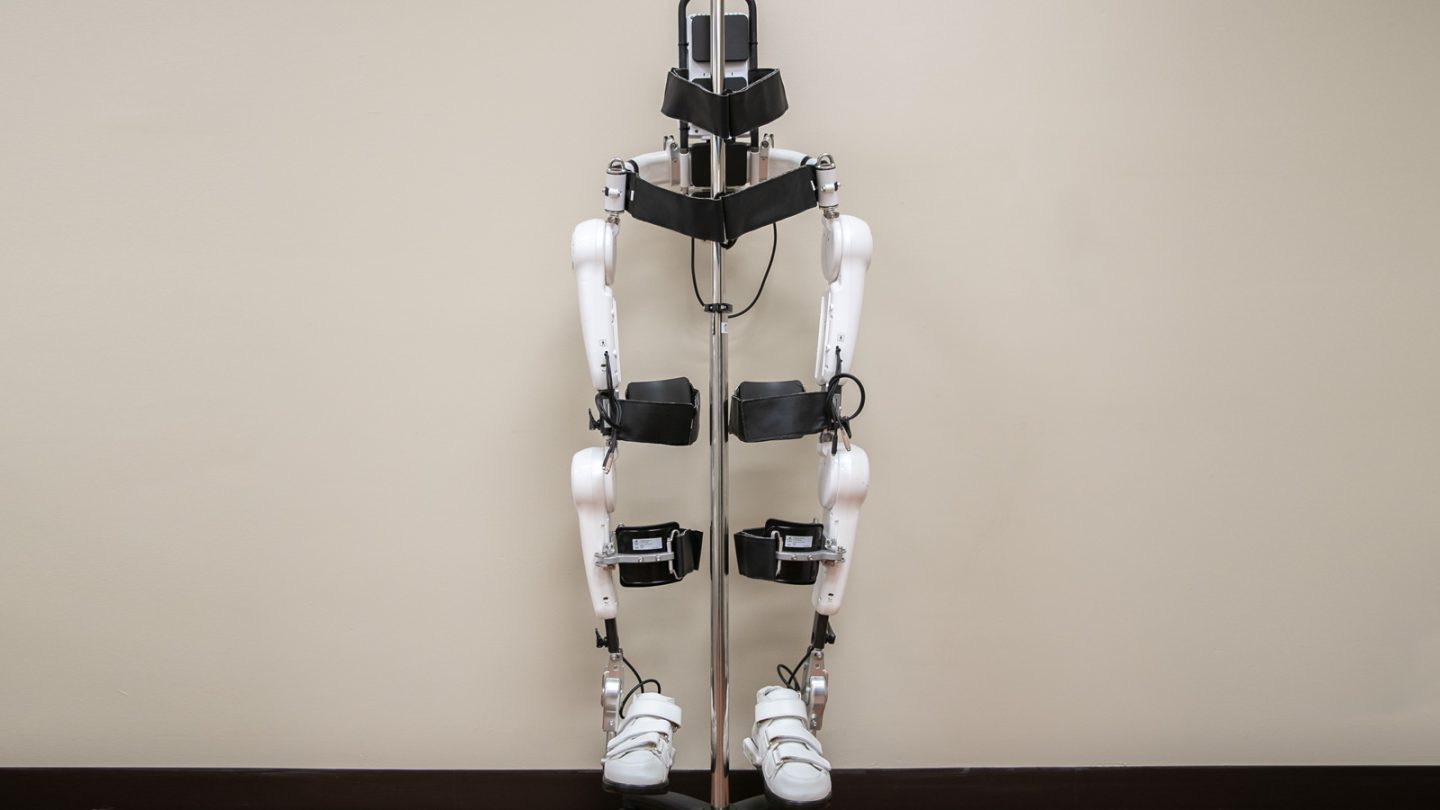
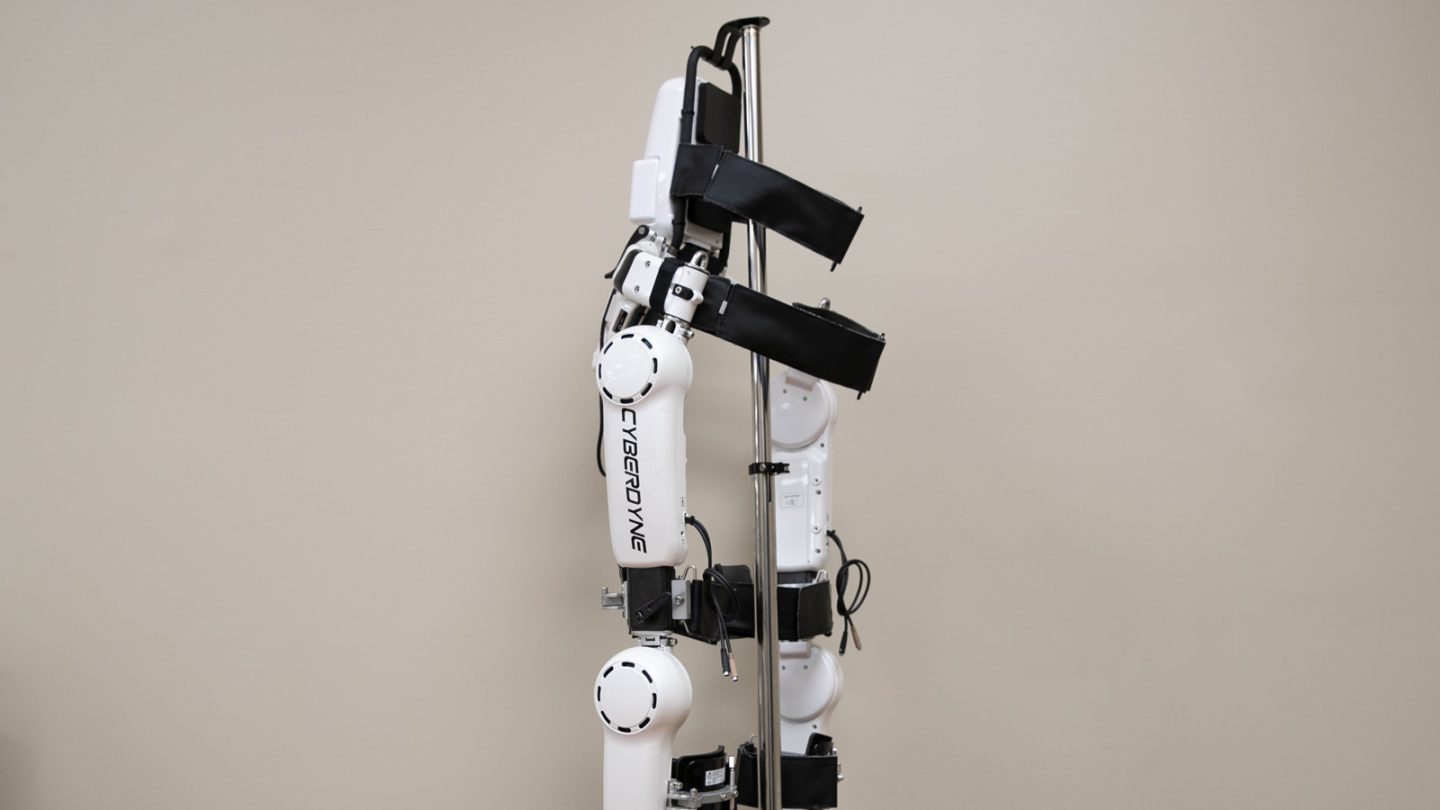
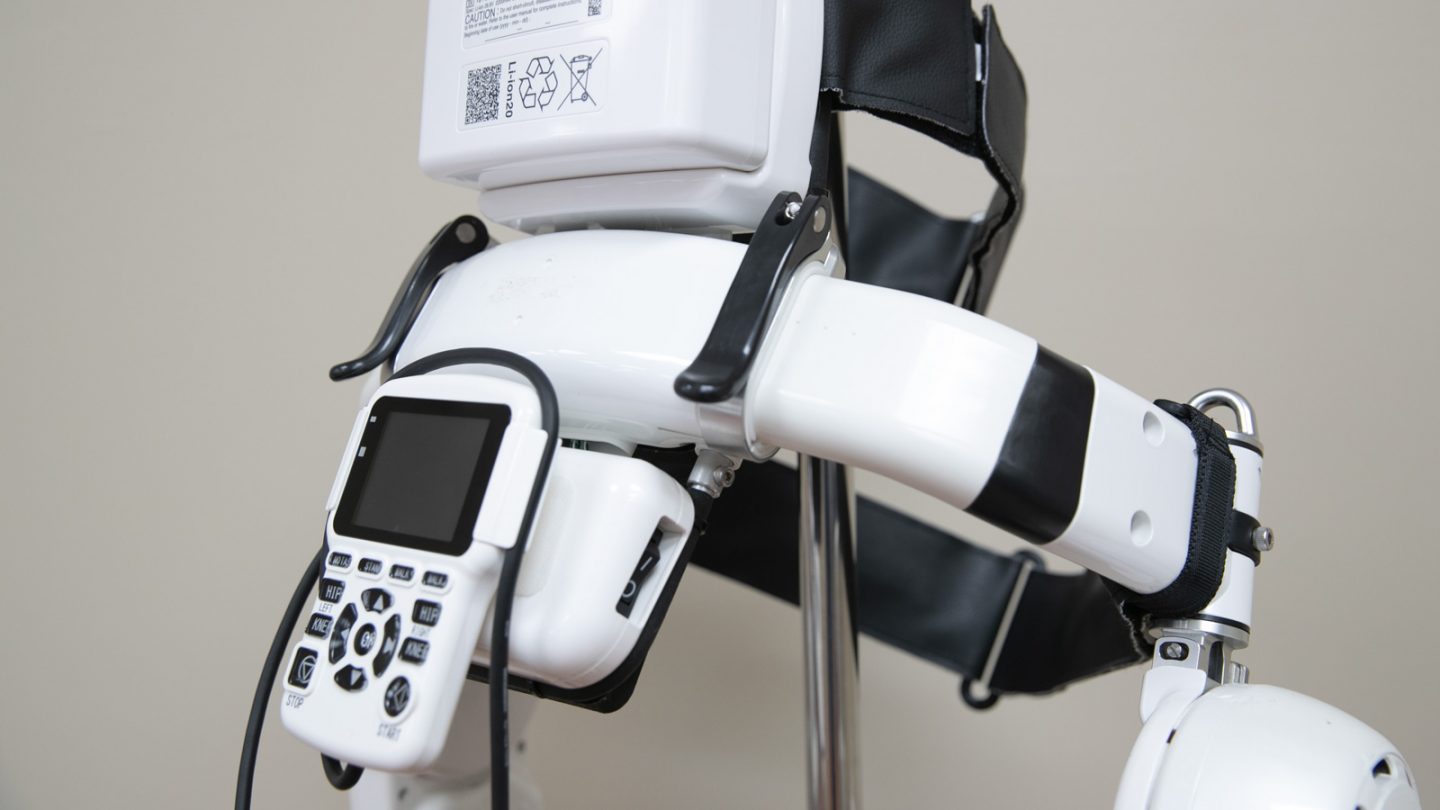
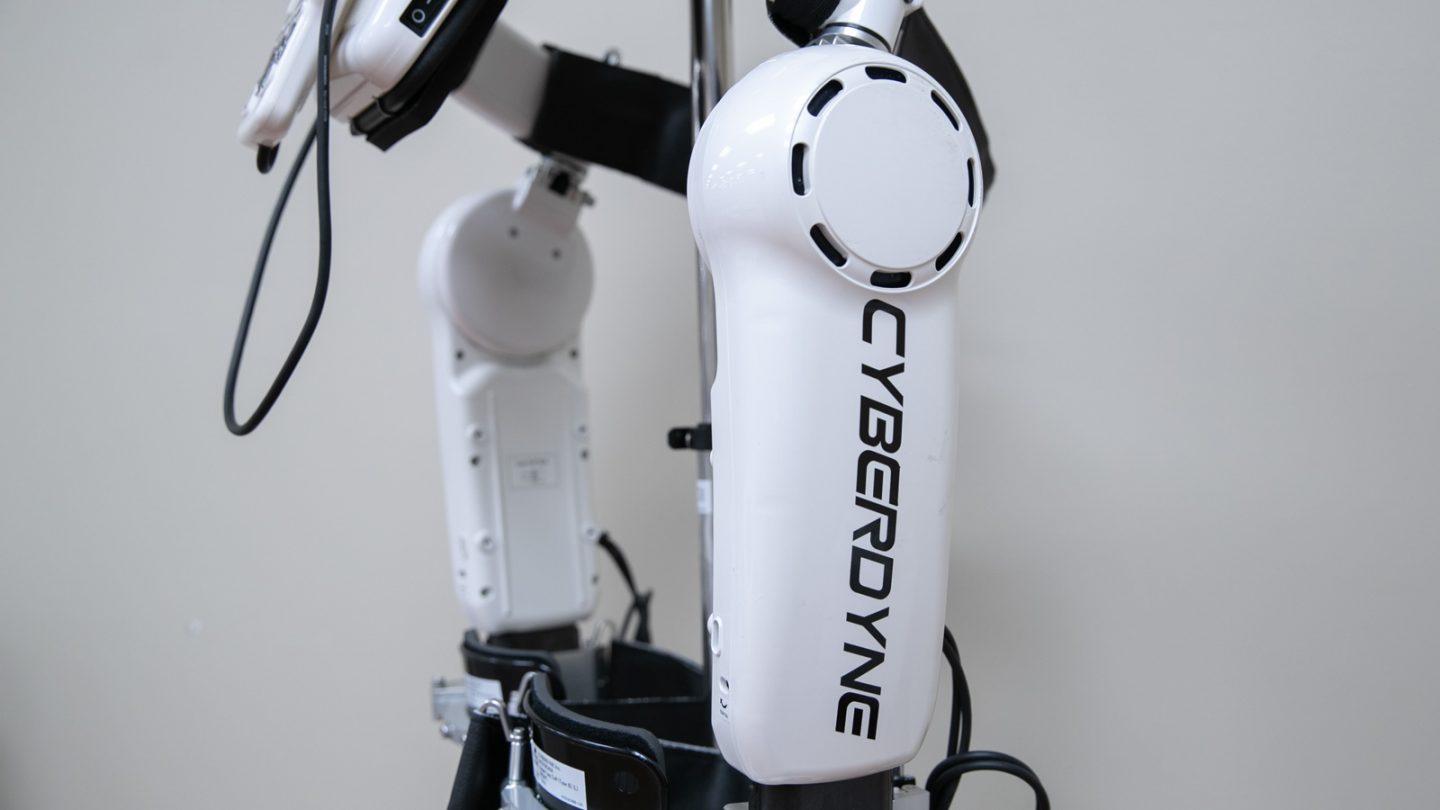
The Hybrid Assistive Limb (HAL), created by progress-focused global technology company Cyberdyne, is a lower extremity exoskeleton designed to help patients improve lower-limb movement. HAL works by detecting small electrical signals a patient transmits to the surface of the skin when a movement occurs in the limb. HAL then interprets these signals to assist in the desired movement.
A specialty-trained physical therapist observes the patients walking and modifies settings in HAL in order to maximize movements using even the smallest signals. The fact that this specific exoskeleton relies on the user’s own voluntary motions means that it can increase the potential for positive neuroplastic changes because the patient is unable to provide compensations when performing a desired task, which enhances a positive recovery.


How is HAL used in Treatment?
The HAL robotics system is the first and only robot of its type that is specifically designed to treat impairments of the lower limbs. It has been approved for use, and has been shown to be beneficial in the treatment of conditions that affect the spinal cord, brain, as well as other various diseases of the neuromuscular system.
Some of the conditions HAL has been successfully employed to improve function are:
- Stroke
- Spinal Cord Injury
- Traumatic Brain Injury
- Guillain-Barré Syndrome
- Multiple Sclerosis
- Cerebral Palsy
- Peripheral Nerve Injuries
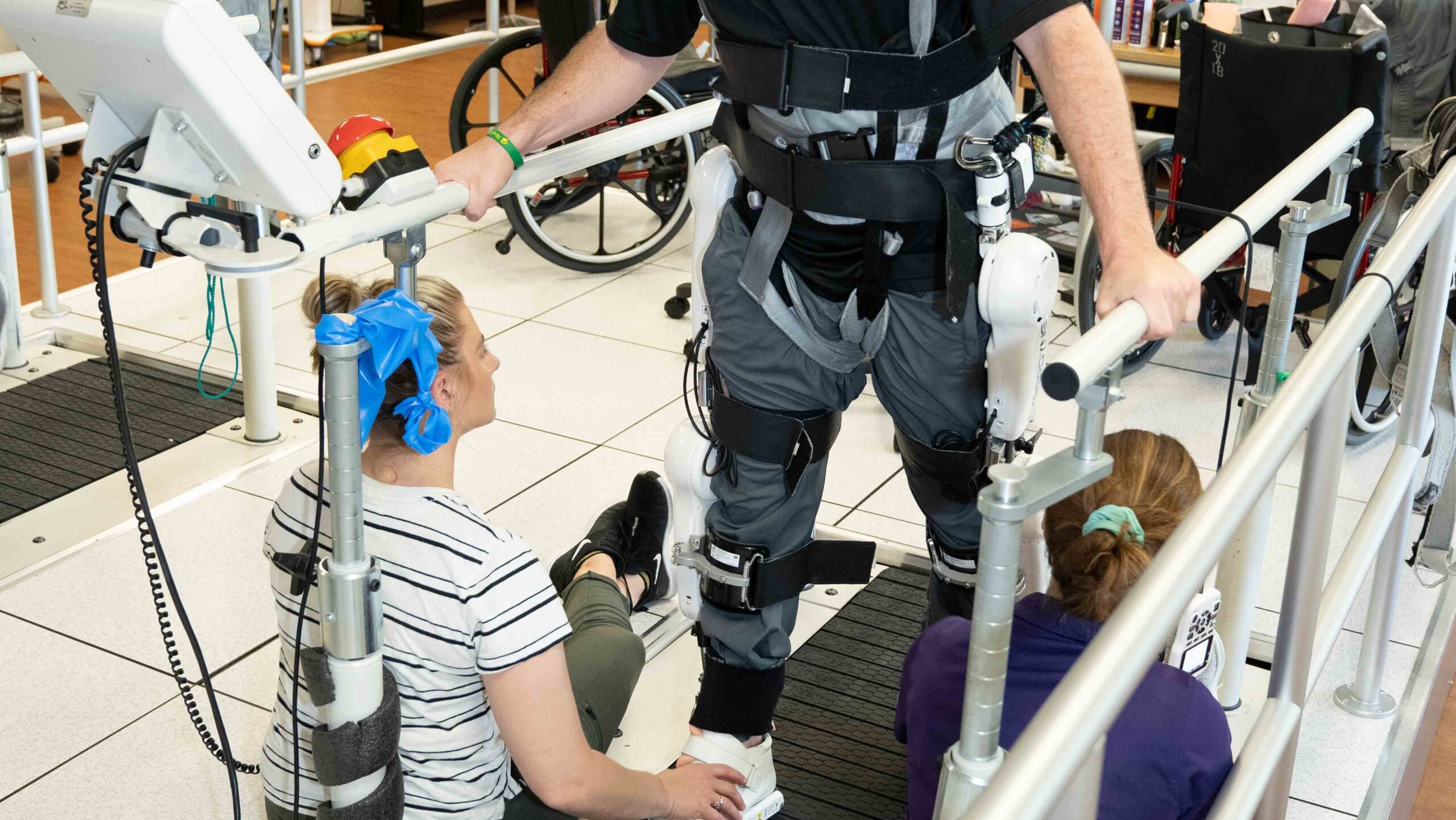
During physical therapy treatments using the Hybrid Assistive Limb (HAL), patients have sensors attached to their legs in order to detect small electrical impulses on the skin of that indicate the wearer’s desire to move. HAL then moves in response to both the user’s intentions, and the physical therapists settings, which it translates into leg motion that assists with walking and standing. The key to all successful therapeutic interventions is repetition matters, and HAL is no different.
Repetitive actions over the course of therapy helps boost the formation of new neural pathways. As these pathways mature and the patient’s body acclimates the potential for voluntary movement increases. HAL exoskeleton movement is controlled by voluntary actions by the patient, which assist the physical therapist in understanding how a patient’s nervous system is working after an injury. This allows for the identification of neural patterns that indicate neuromuscular transmission issues in order to correct the signals.
Special Features of HAL
The HAL system is equipped with a number of features focused on providing an optimal therapy experience while improving movement, including the ability to aid in walking or just standing from a seated position.
Specialized adjustments can be made for each individual’s case to treat low-signal walking deficits, or to correct abnormal signals. As treatments continue, the HAL’s biofeedback helps build a new pathway between the muscle system and the brain, enabling progress beyond standing and walking, and creating the potential for increased strength and mobility.
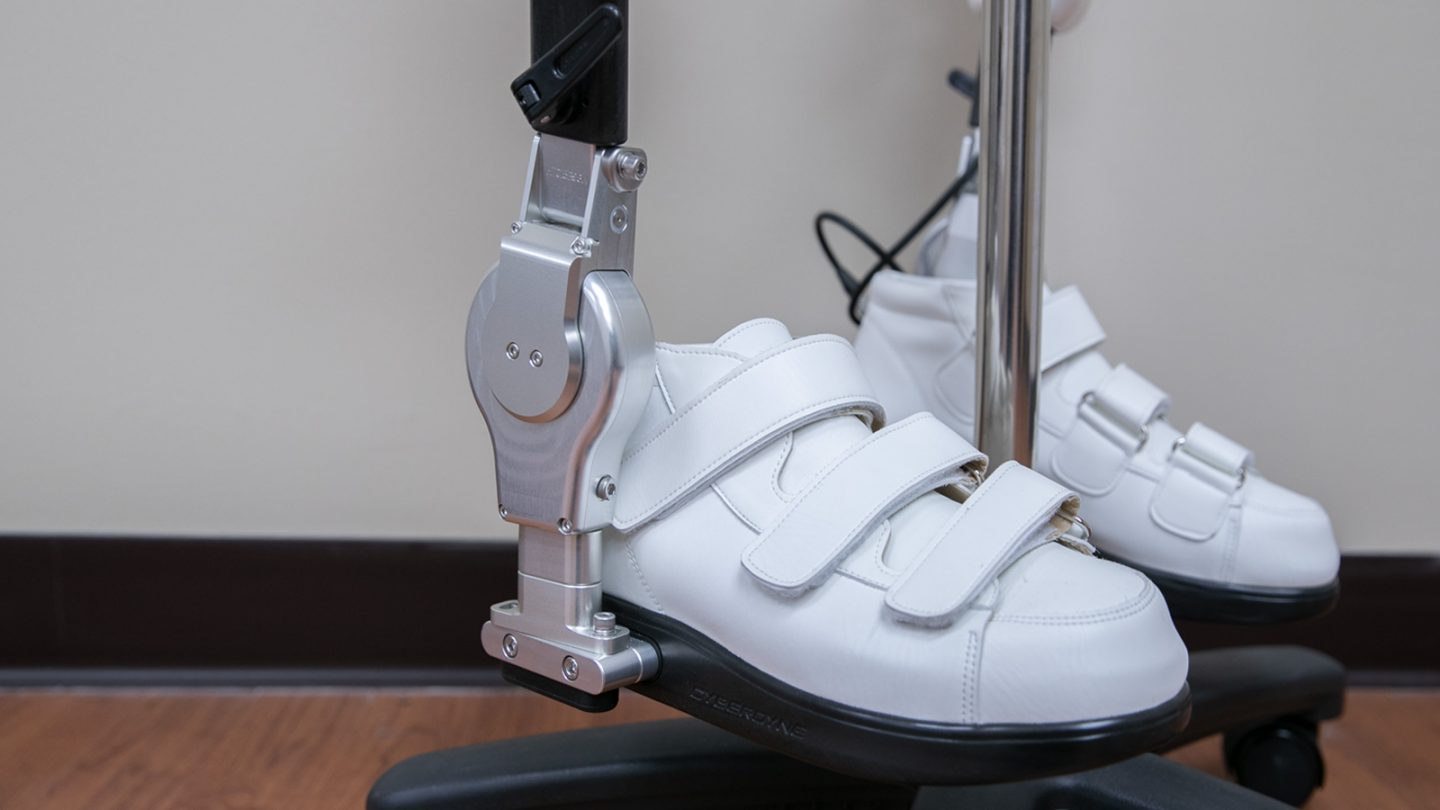
The Hybrid Assistive Limb exoskeleton can be customized for treatments not only electronically, but also physically as well. Different leg lengths, hip widths, and foot sizes can be easily accommodated with a few modifications. This individualized customization can increase treatment effectiveness, and result in increased comfort for the patient.
A unique, adaptive and immensely beneficial part of Brooks Rehabilitation’s options for the treatment of balance and gait impairments, Cyberdyne’s Hybrid Assistive Limb system combines time-tested traditional physical therapy techniques with innovative technology to produce optimal, individualized, functional outcomes.
Qualifications for Using the Hybrid Assistive Limb
Trained and certified to use Cyberdyne’s Hybrid Assistive Limb technology, Brooks Rehabilitation’s physical therapists use their knowledge of anatomy and movement in order to help guide their patients through a variety of therapeutic interventions.
The HAL is designed to work with any patient who has minimal movements in their legs, as well as with those who have detectable bioelectric signals (BES) being transmitted to the skin of the lower extremities. Any patient who qualifies for inpatient and/or outpatient physical therapy for gait and balance training could be eligible for HAL training after an evaluation by a certified HAL specialist.
HAL Therapy and Brooks Rehabilitation
Brooks Rehabilitation is proud to offer the Hybrid Assistive Limb (HAL) system as a therapeutic treatment option. The HAL technology can be fundamental in helping therapists to treat patients impacted by the effects of a stroke, brain injury, MS, Guillain-Barré Syndrome, as well as multiple other neuromuscular conditions.
Consider Brooks Rehabilitation for our expertise in the employment of Hybrid Assistive Limb therapies, in order to create unique treatment programs customized for each individual’s circumstance. Our world-class medical professionals will help every step of the way, making sure your program is tailored for your best chances of recovery.
Pairing the best technology the world has to offer with highly trained medical professionals that encourage recovery both physically and mentally. Brooks offers many other advanced rehabilitation technologies including Virtual reality, Zero G, C-Mill, and Indego exoskeleton therapies in order to customize and maximize your potential for recovery.
Brooks has many locations throughout Florida to bring the world’s best technology to treat some of the most serious conditions. Trust that Brooks can help with speech, mobility, socialization skills, and vision therapies. With several specialized clinics, there is a place for your patients to get the rehabilitation they need to improve their quality of life. Get in touch with Brooks Rehabilitation to get your clients moving!
Learn more about Cyberdyne & the HAL Robot in the Brooks Podcast Episode #5 with Meghan Kettles and Jessica Dunn.